



 Long-billed Curlew (Youth)
 Description
 Credit: Jerry Kirkhart
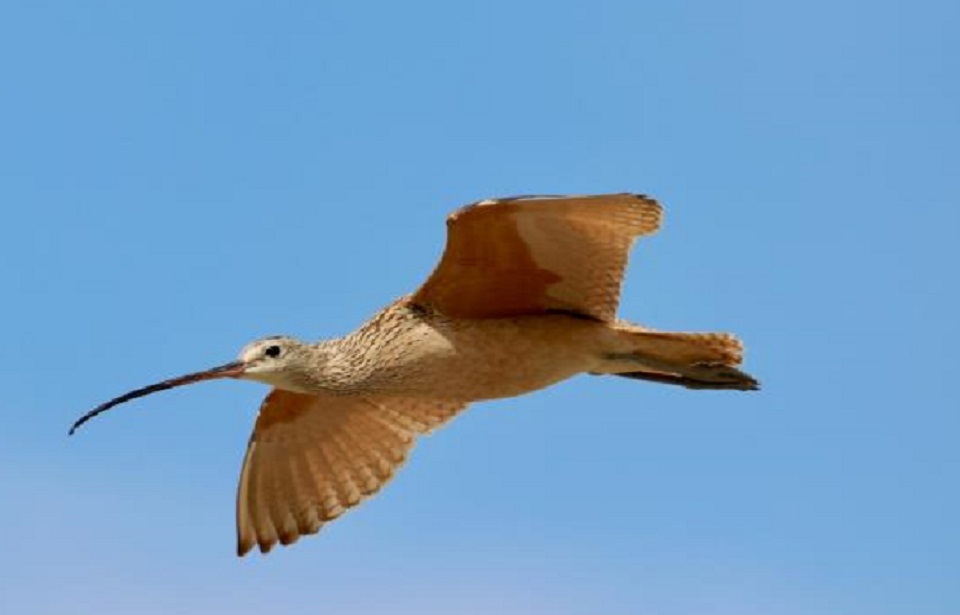
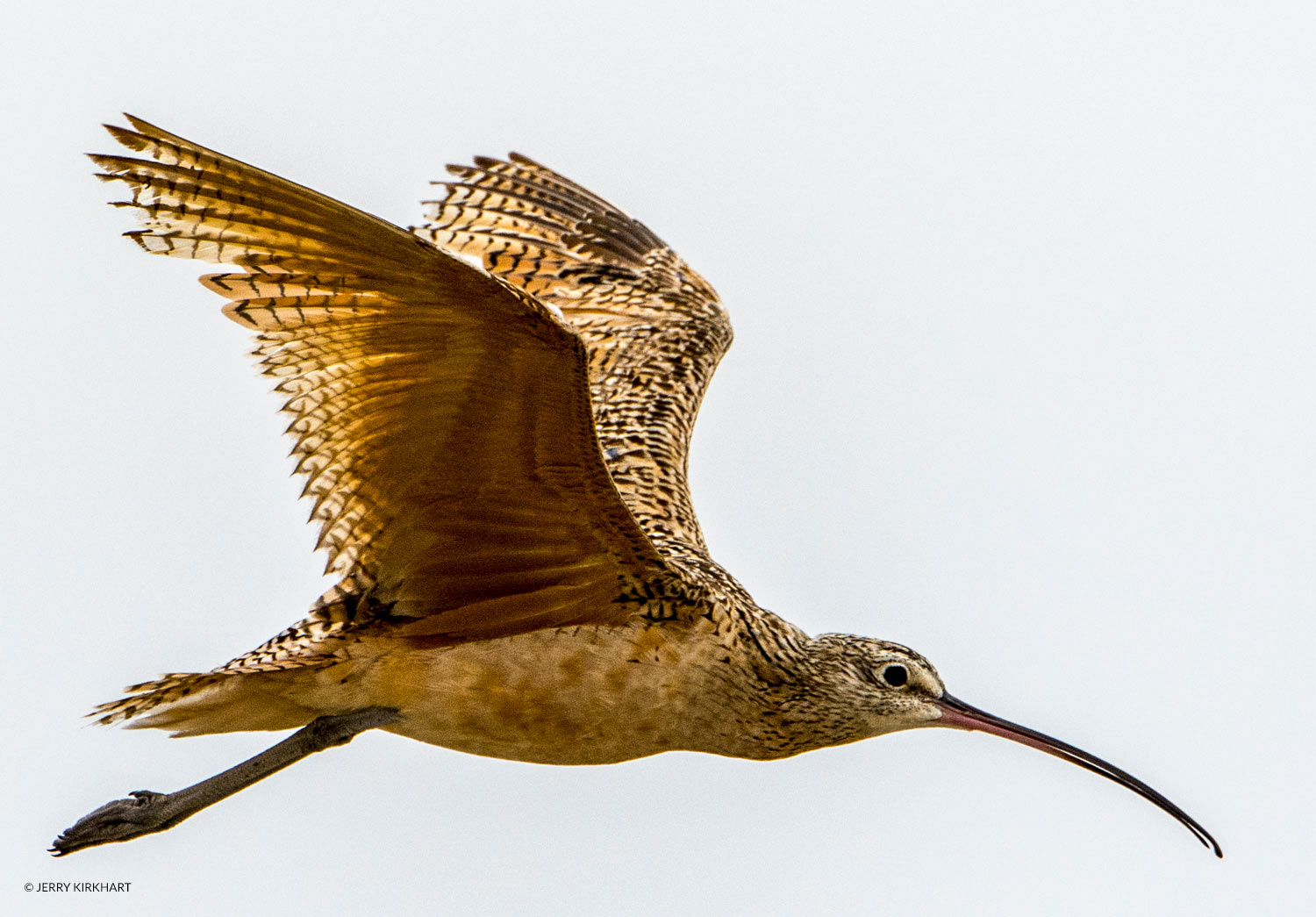
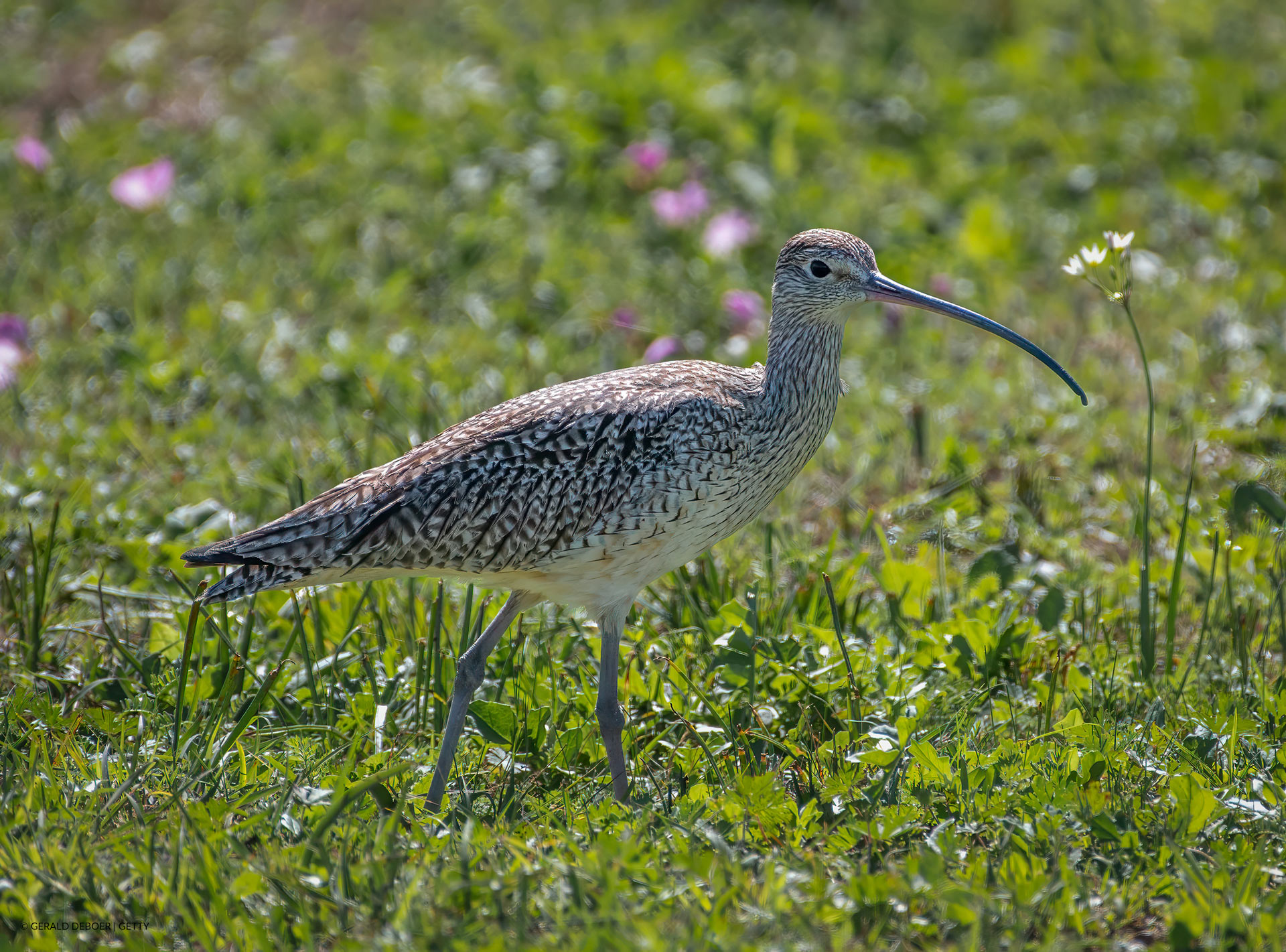
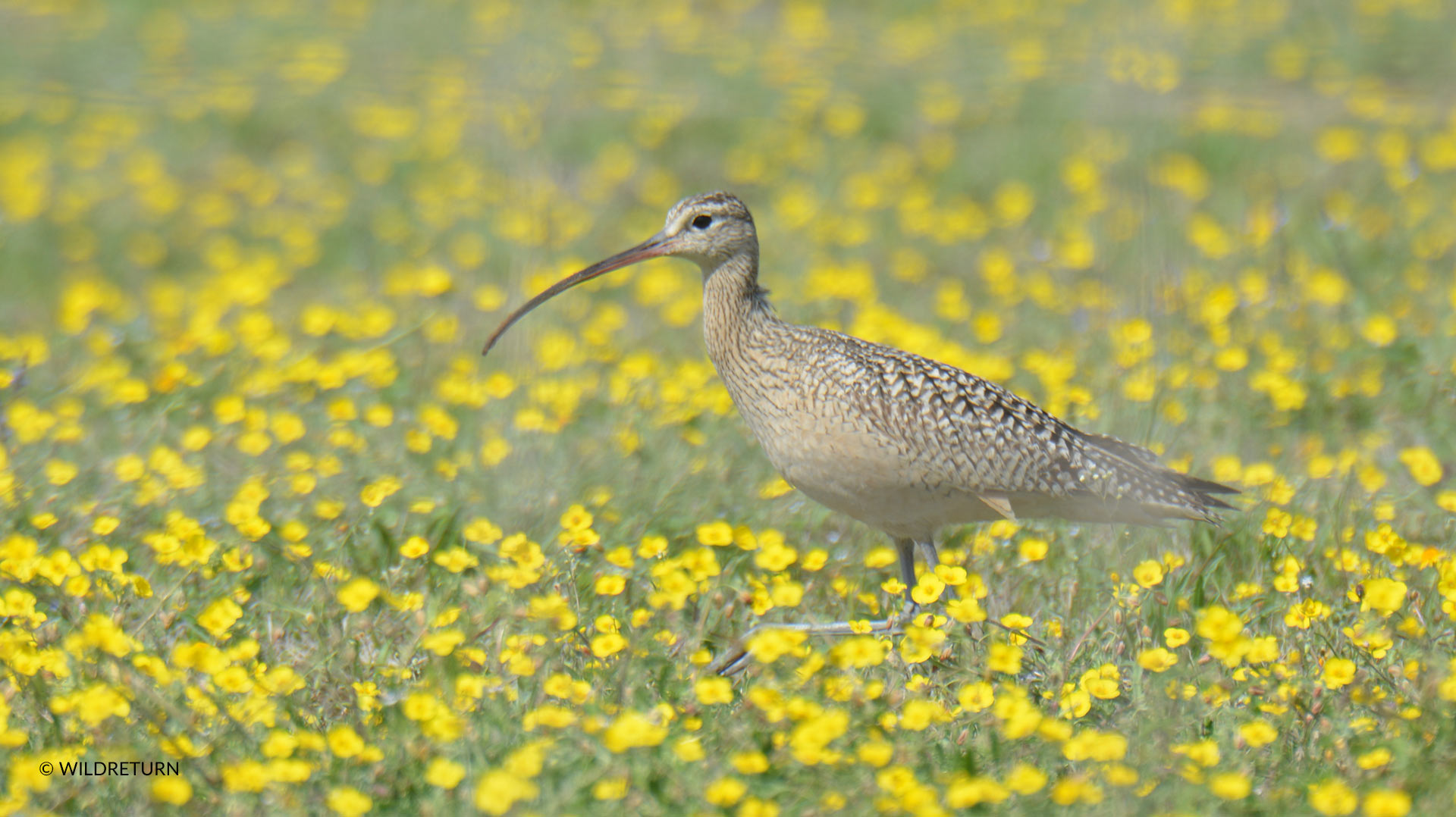
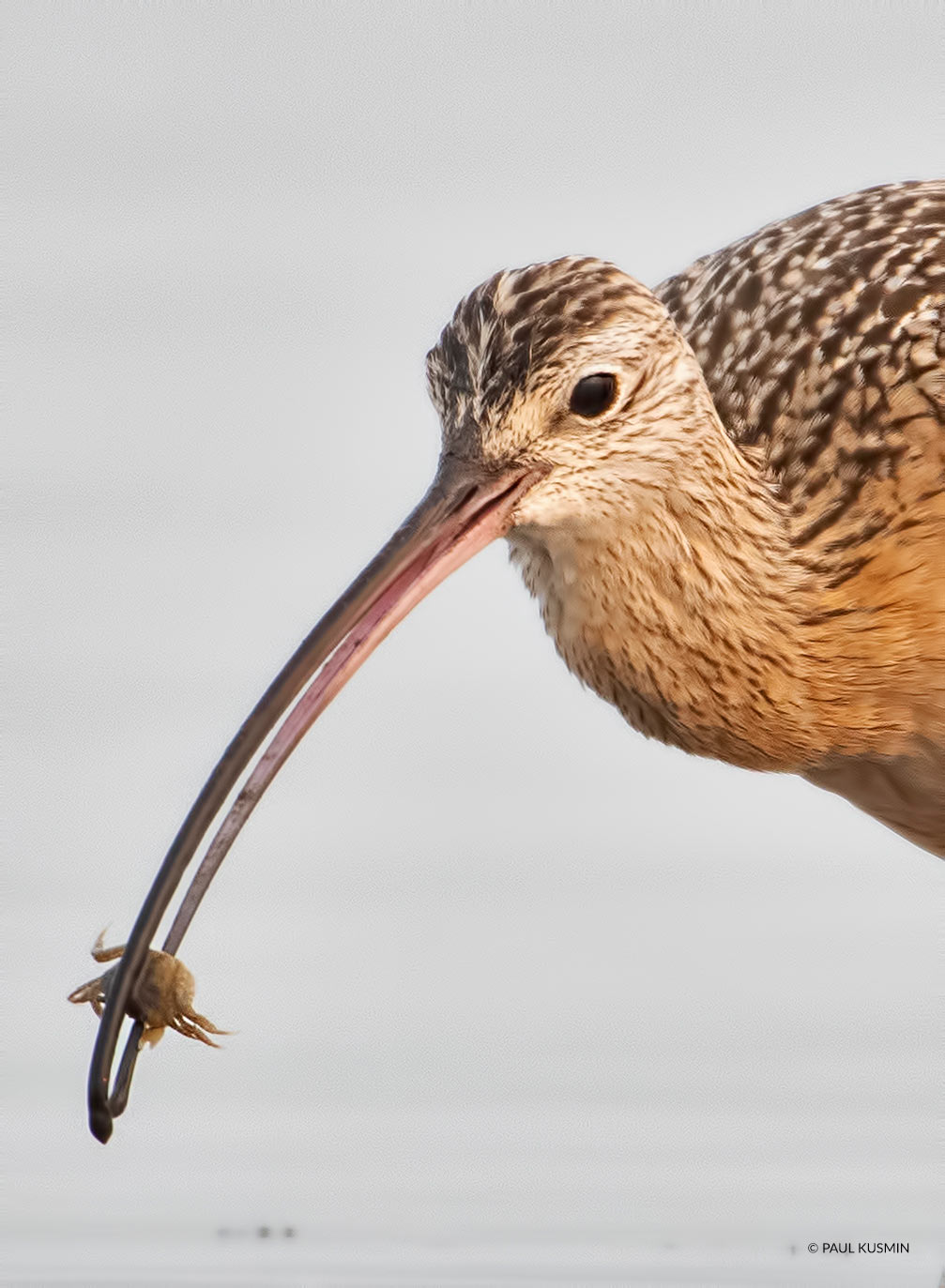
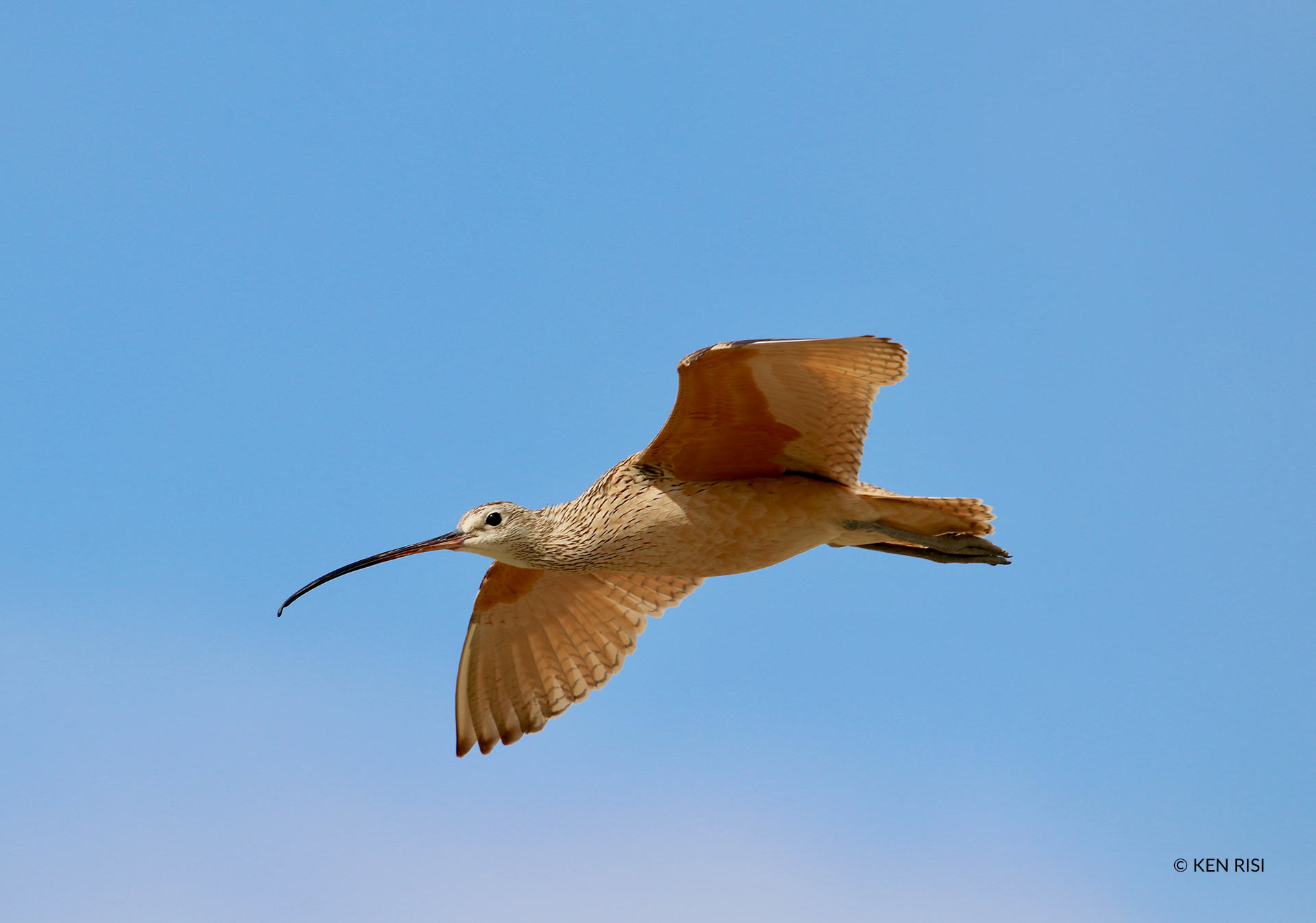
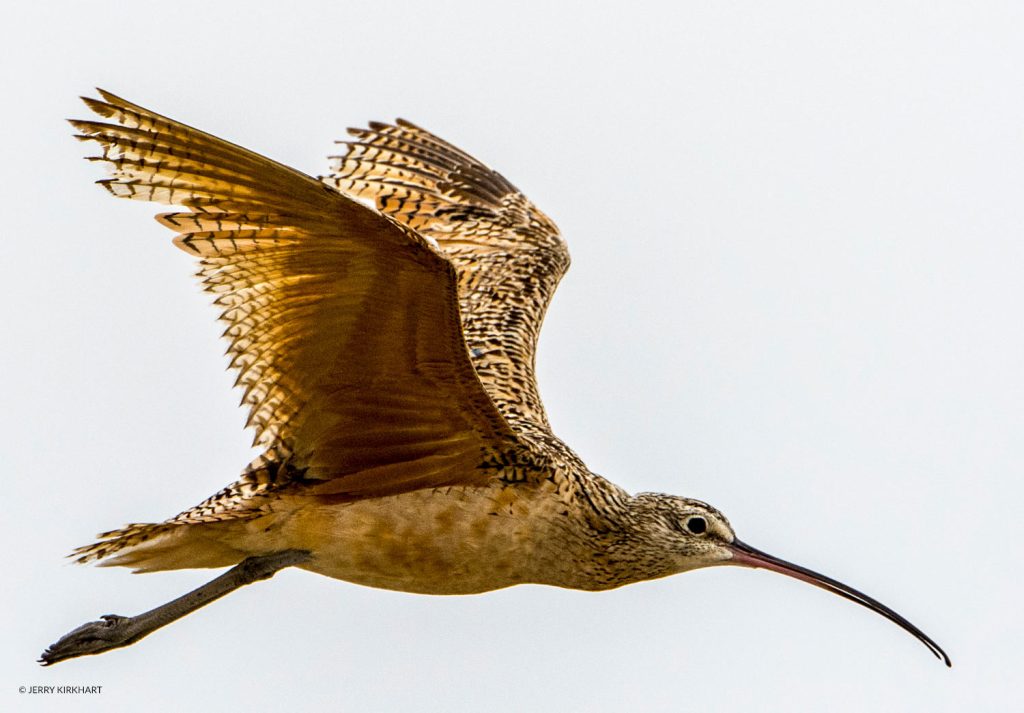
The Long-billed Curlew (Numenius americanus) is the largest shorebird native to North America and an unmistakable presence in open prairie landscapes. Its most extraordinary feature is its extremely long, slender and gently down-curved bill — a specialized tool evolved for probing deep into soil, mud and sand to extract prey hidden from most other species. In females, the bill may exceed 21 centimetres, proportionally the longest bill relative to body size of any North American shorebird.
Adults measure 51 to 66 centimetres in length and have a wingspan of 62 to 90 centimetres. Females are consistently larger than males, weighing up to 950 grams compared to the male’s 490 to 800 grams. Beyond bill length and size, the sexes look similar: both display warm cinnamon-buff plumage with darker mottling on the upperparts and paler underparts. This colouration remains constant year-round, blending seamlessly with dry prairie grasses during the breeding season and with coastal mudflats during winter.
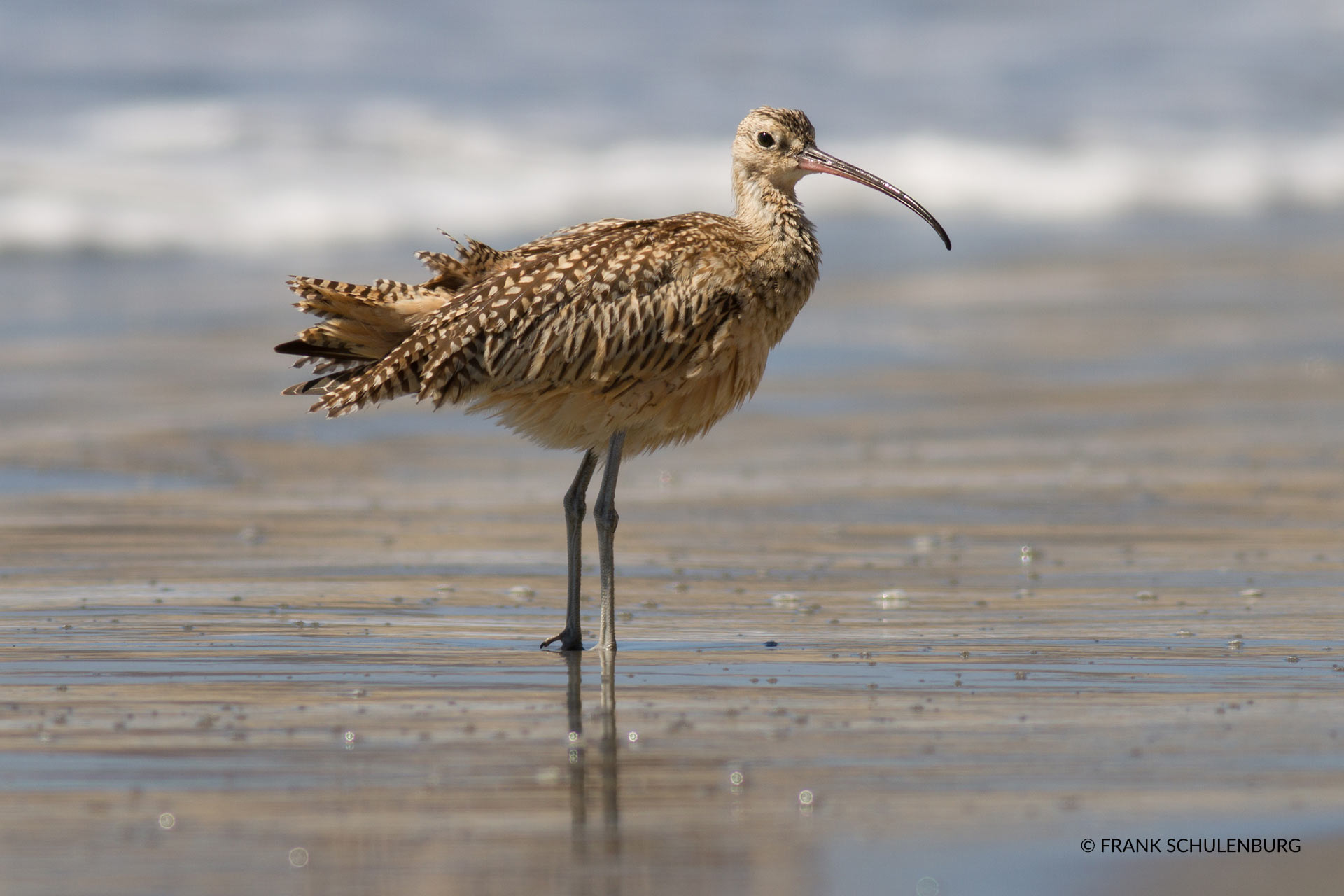
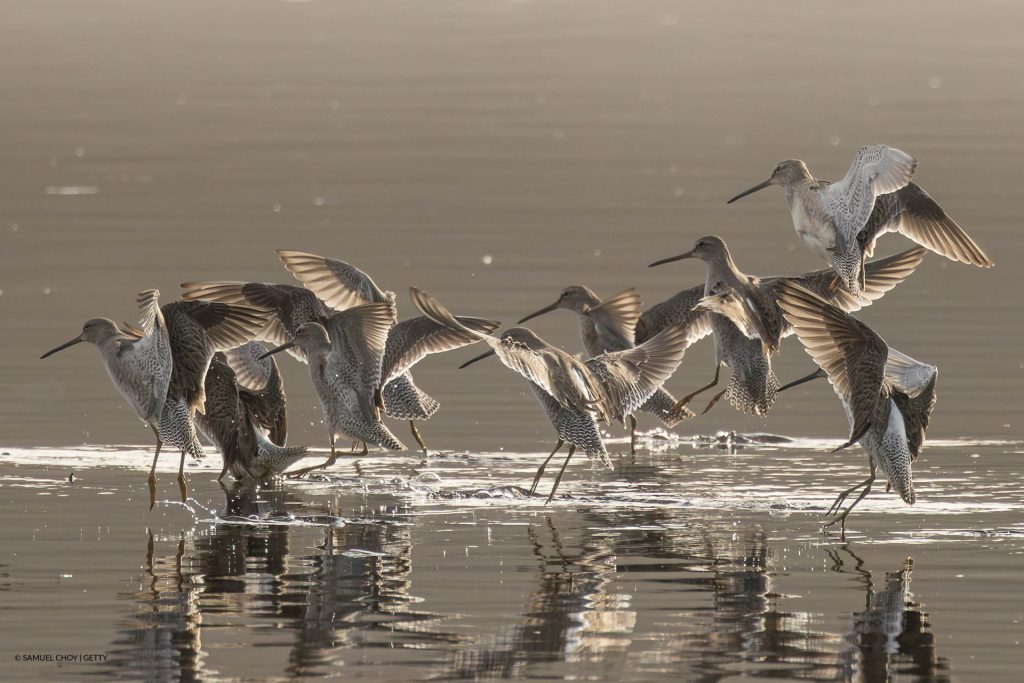
The head is proportionally small but holds large, dark eyes adapted for scanning open landscapes for predators and flockmates. Long, bluish-grey legs provide an efficient stride across uneven prairie ground, tall grass or shallow wetlands.
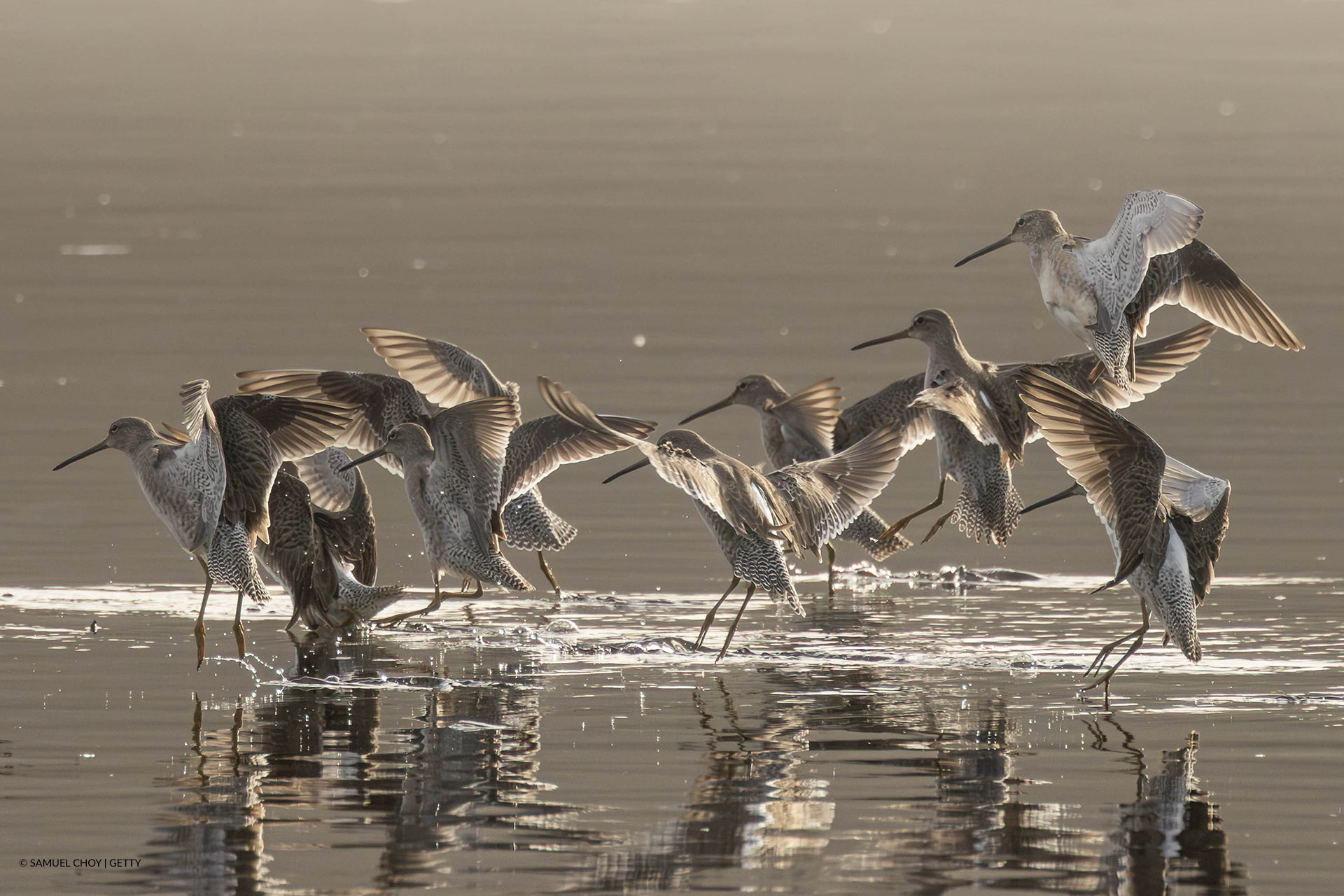
 Credit: Getty/Samuel Choy
The head is proportionally small but holds large, dark eyes adapted for scanning open landscapes for predators and flockmates. Long, bluish-grey legs provide an efficient stride across uneven prairie ground, tall grass or shallow wetlands.
The species’ name derives from its resonant “curleeu” call – a rich, ringing whistle that can carry for hundreds of metres across open country. Other vocalizations include softer whistles for mate and chick communication, harsh alarm notes for predators and the melodious flight song used in courtship displays. Long-billed Curlews are also known for their assertive defence of nesting areas. Both sexes engage in “mobbing” – cooperative harassment of predators such as hawks, owls, crows or coyotes, sometimes making physical contact in flight to drive them away.
Habitat and Habits
 Credit: Anna Weyers Blades / USFWS
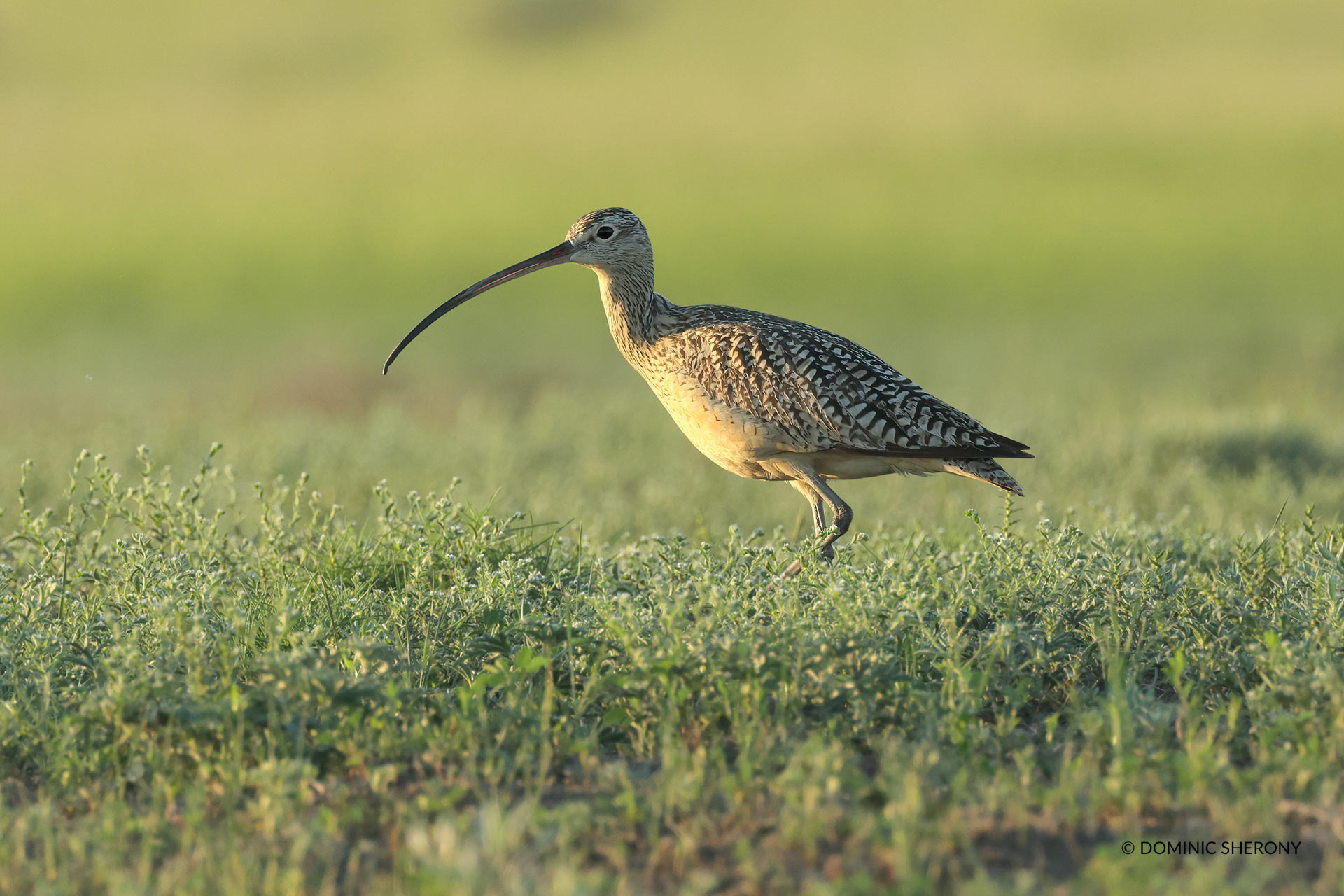
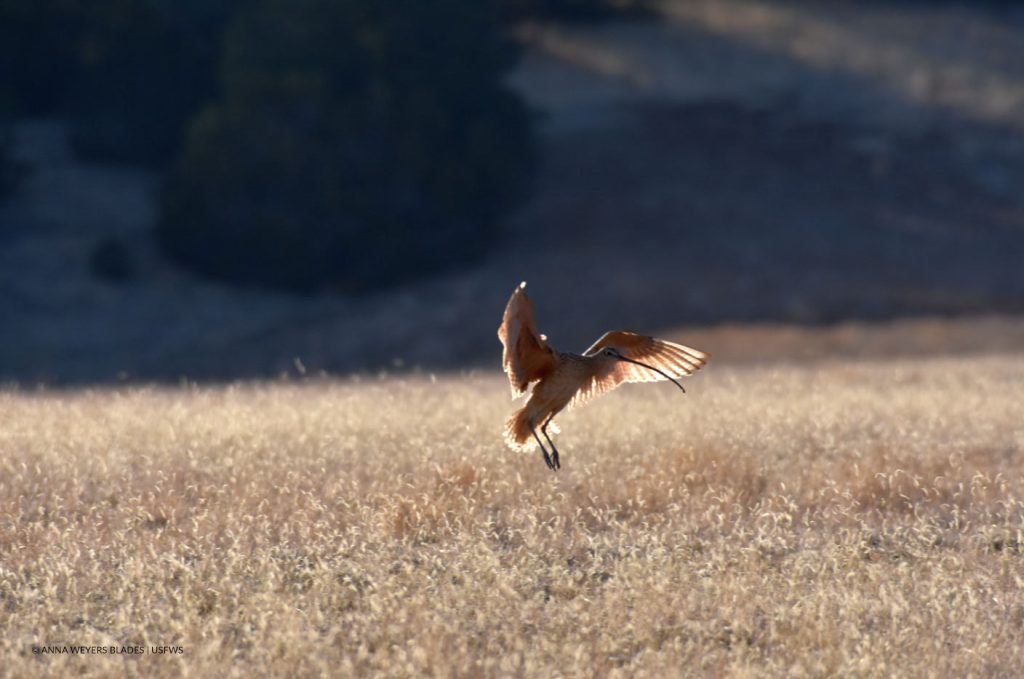
In the breeding season, Long-billed Curlews are strongly associated with open, treeless grasslands. They favour large expanses of native shortgrass or mixed-grass prairie with vegetation less than 30 centimetres high in nesting areas, often interspersed with taller patches nearby that offer foraging opportunities and cover for chicks. Preferred nest sites are in flat to gently rolling terrain with unobstructed sightlines, allowing
early detection of predators. Nests are often located near small objects such as stones, dried cow dung or low shrubs, which may serve as visual markers for adults returning from foraging.
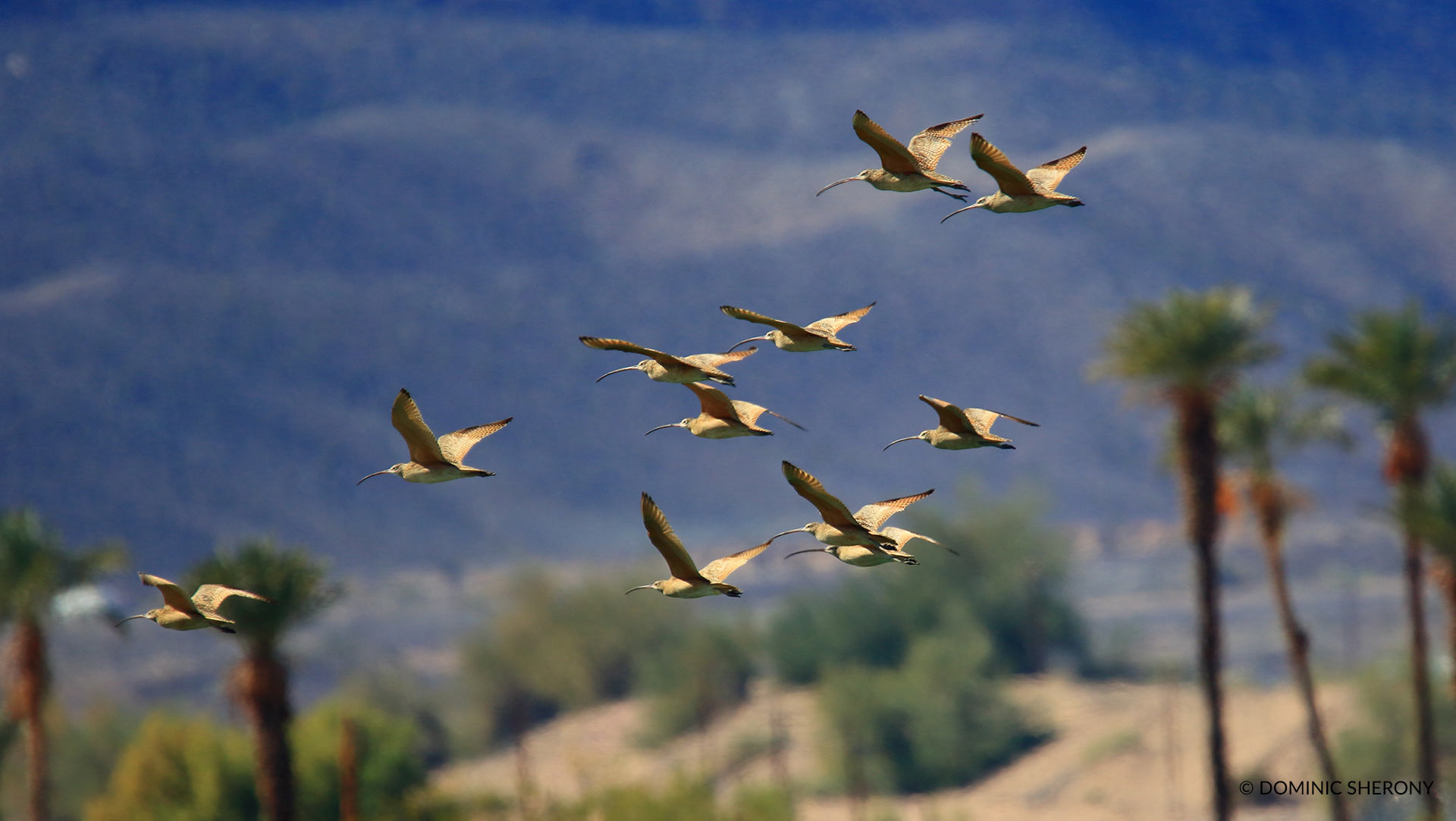
 Credit: Dominic Sherony
After hatching, broods may be moved to wetter habitats including wet meadows, prairie potholes or irrigated hayfields that provide abundant insect prey and shelter from heat. This movement is critical for chick survival during the hottest part of summer.
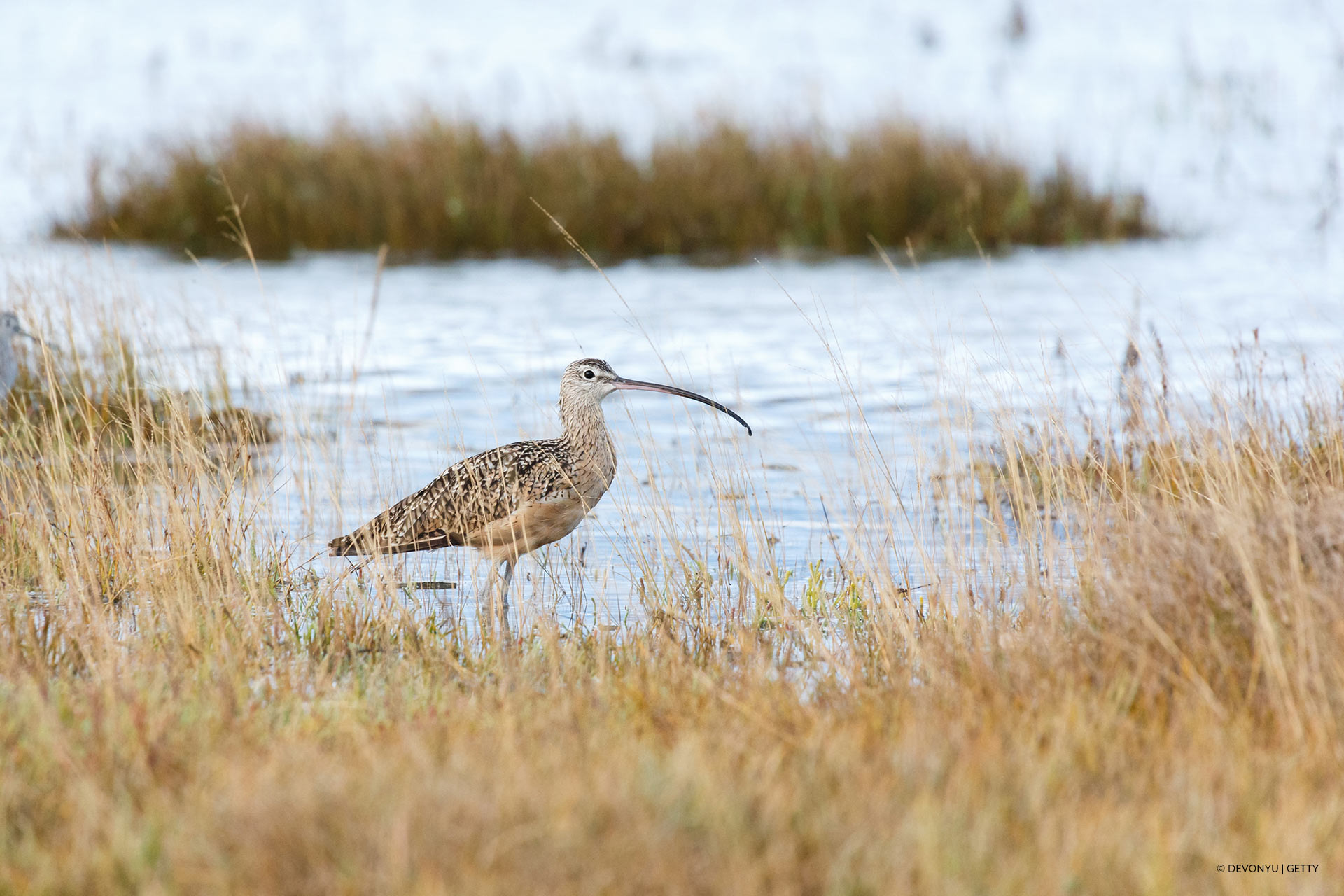
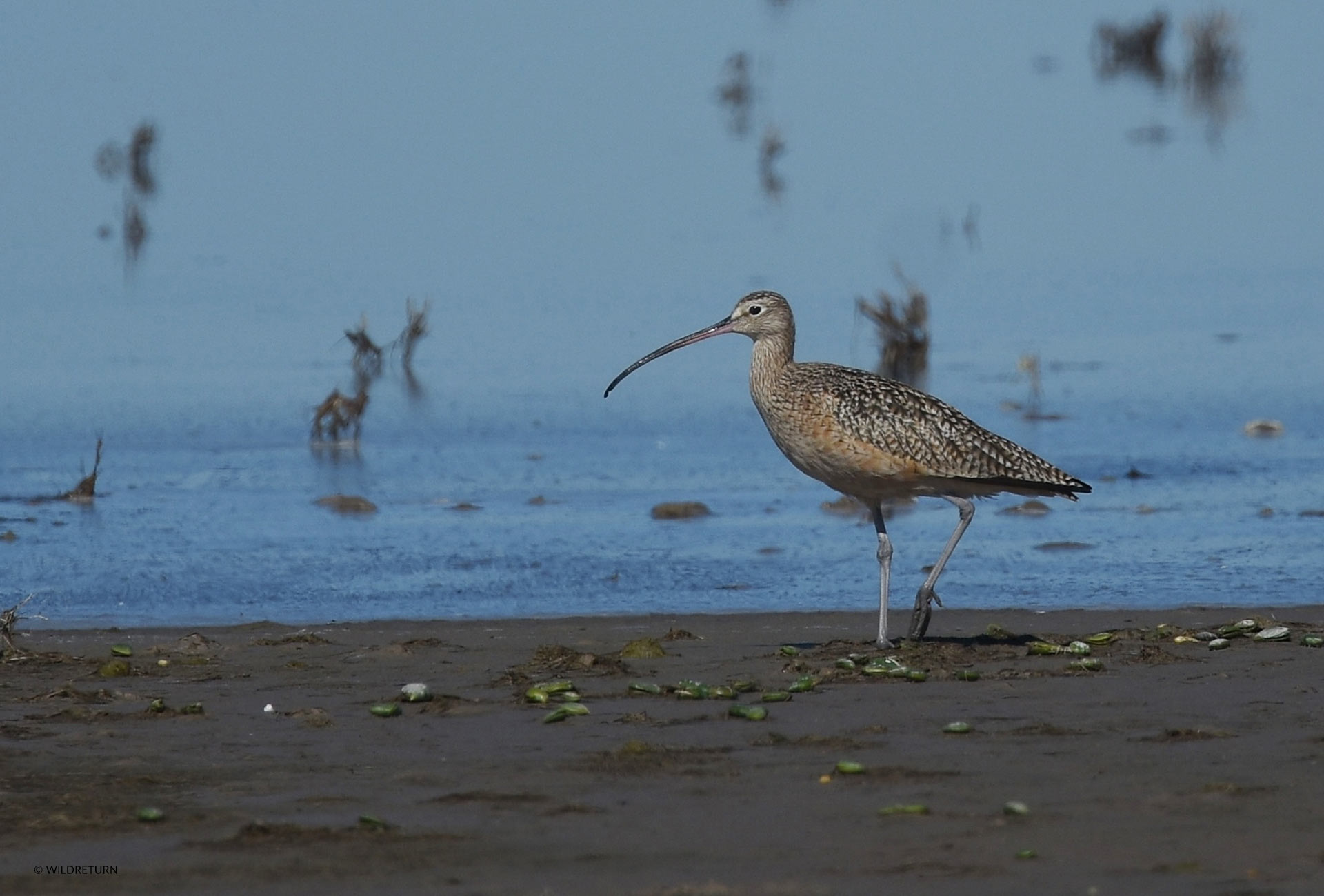
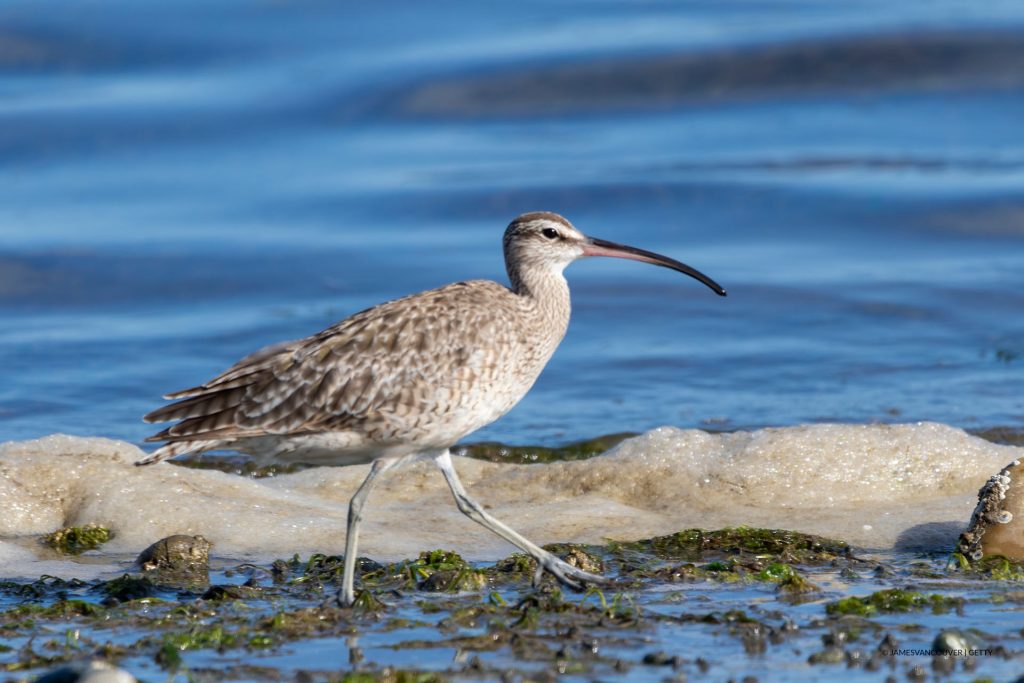
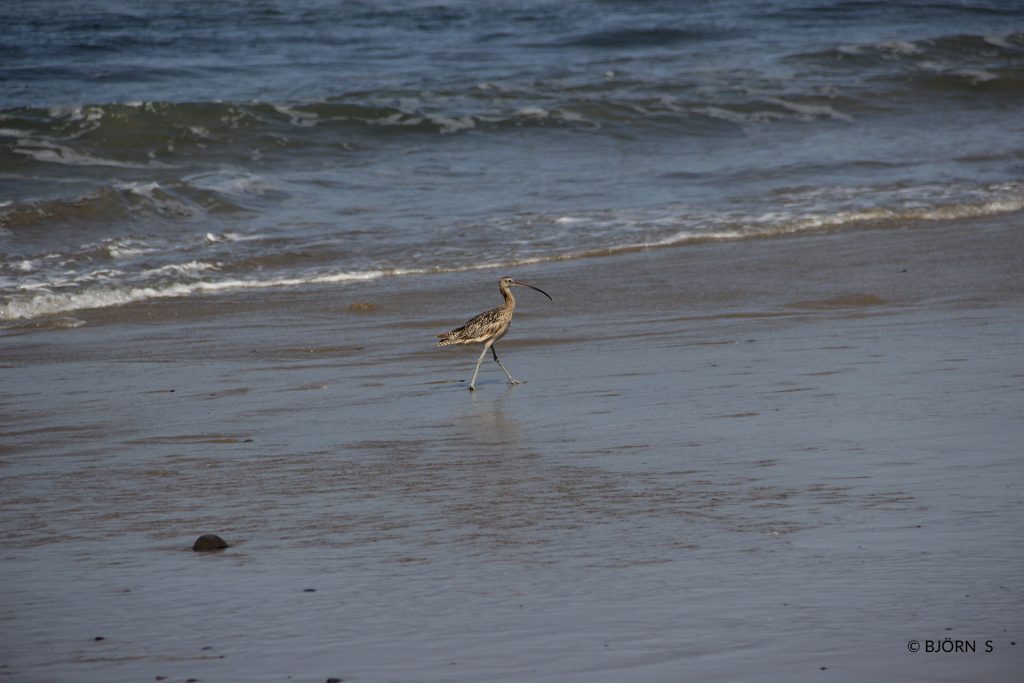
Outside the breeding season, the Long-billed Curlew demonstrates broad habitat flexibility. On migration and wintering grounds, it uses tidal mudflats, sandy beaches, salt marshes, estuaries, lagoons and even inland agricultural fields. It will forage in alfalfa fields, ploughed land and pasture, particularly where irrigation or soil moisture brings prey to the surface.
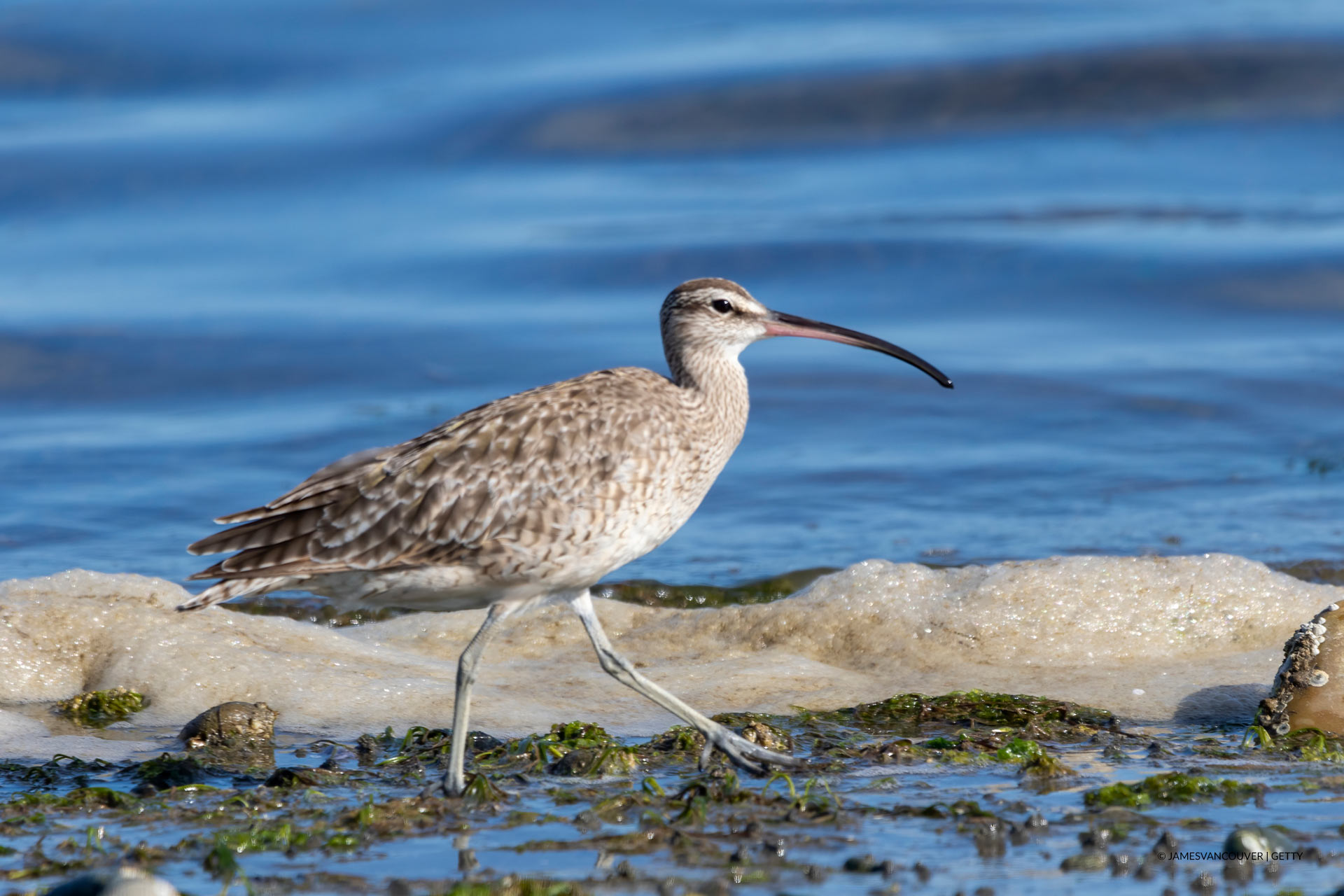
 Credit: Getty / James Vancouver
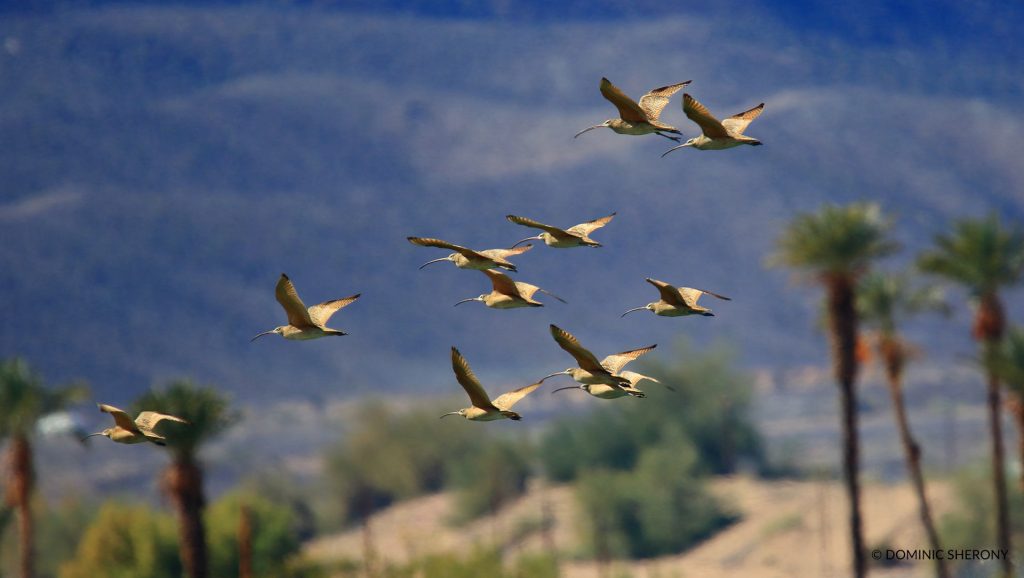
Curlews are diurnal, with most foraging in the early morning and late afternoon. They are also strong, sustained fliers capable of long-distance migration between breeding and wintering areas. Many individuals return to the same breeding territories and wintering sites repeatedly.
Range
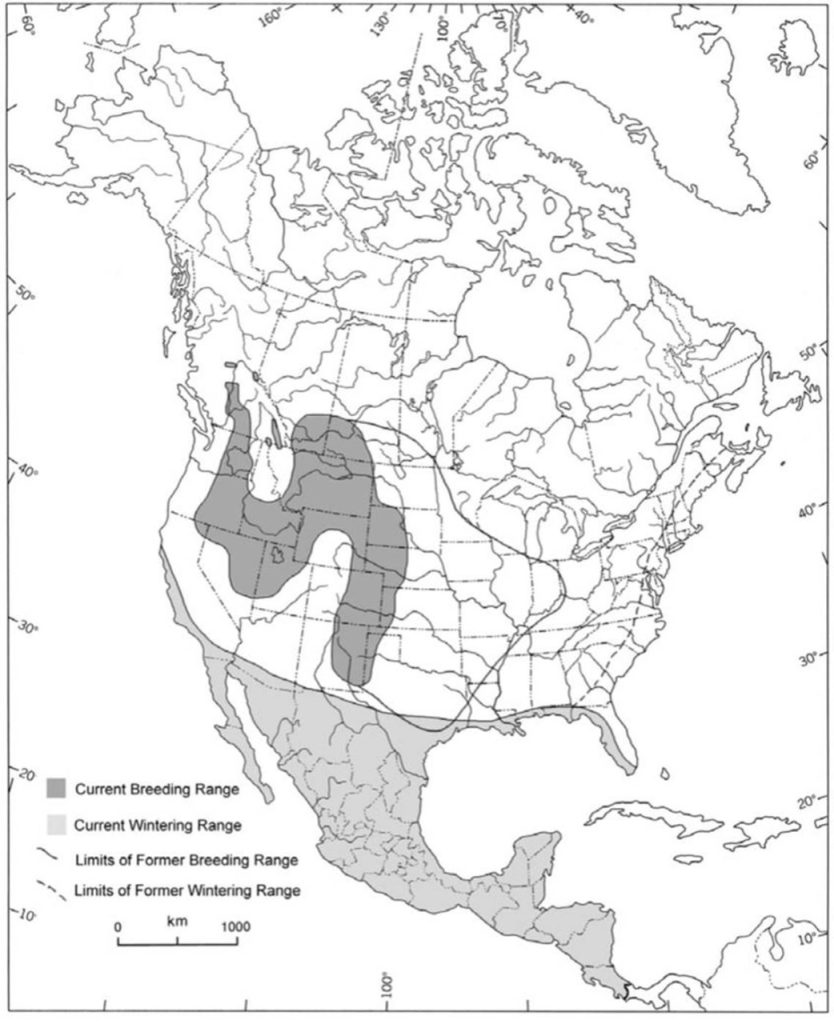
Historically, the Long-billed Curlew bred across a much broader expanse of North America than it does today, with nesting grounds extending as far east as Manitoba, Minnesota, Iowa, Kansas and even parts of Ontario. By the early 20th century, much of this range had disappeared due to widespread conversion of native prairie to agriculture, overgrazing of rangelands and unregulated hunting. These pressures caused sharp population declines and a retreat to more isolated pockets of suitable habitat.
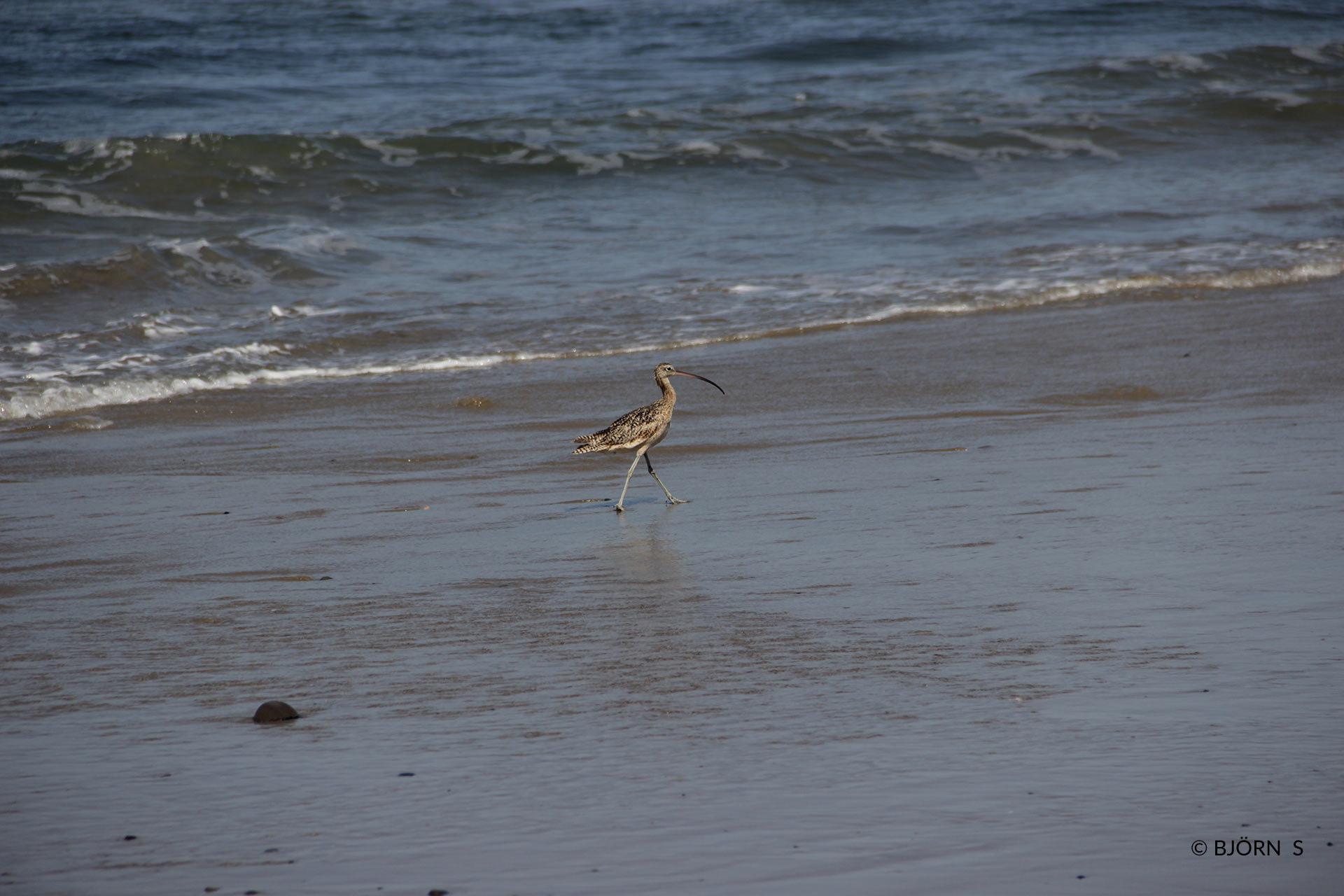
 Credit: Bjorn S
In Canada, current breeding populations are concentrated in three main regions. Southern Alberta supports birds within the Grasslands Natural Region and adjacent mixed-grass prairie, while southwestern Saskatchewan hosts important nesting areas in the Missouri Coteau and Cypress Upland. In British Columbia, the species is found in the interior valleys, particularly the Thompson and Okanagan, where open grassland habitats remain. Overall, Canada represents roughly 16 per cent of the species’ global breeding range.
In the United States, Long-billed Curlews breed across the northern Great Plains, throughout the Great Basin and in parts of the Intermountain West. Their wintering grounds stretch from the Pacific coast of California and Mexico southward along the Pacific coastline to El Salvador and Costa Rica, with occasional records as far south as Guatemala and Honduras. Along the Gulf Coast, key wintering areas include Texas and Louisiana. While their general migration pattern is known, many details remain unclear; however, recent satellite-tracking studies are beginning to pinpoint important stopover sites that may be essential to the species’ survival during its long seasonal journeys.
Feeding
 Credit: Michael Mike
The Long-billed Curlew’s diet shifts with the seasons and the habitats it occupies. During the breeding season on the prairies, orthopterans such as grasshoppers and crickets form a dietary staple, providing the high protein needed for chick growth. This is supplemented by beetles, caterpillars, ants, spiders and earthworms, along with occasional small vertebrates such as lizards or rodents. Opportunistically, curlews may also take the eggs or young of other ground-nesting birds.
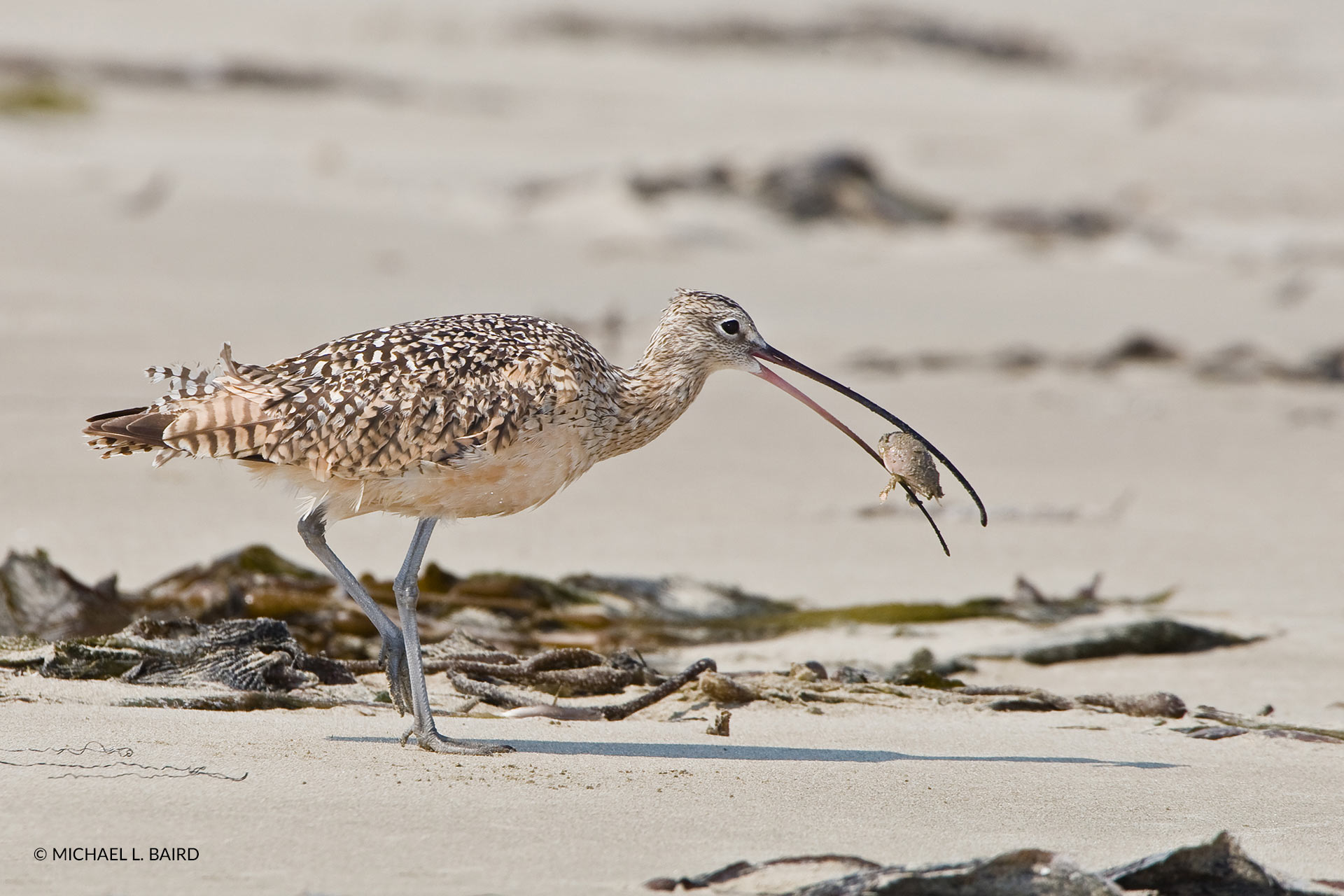
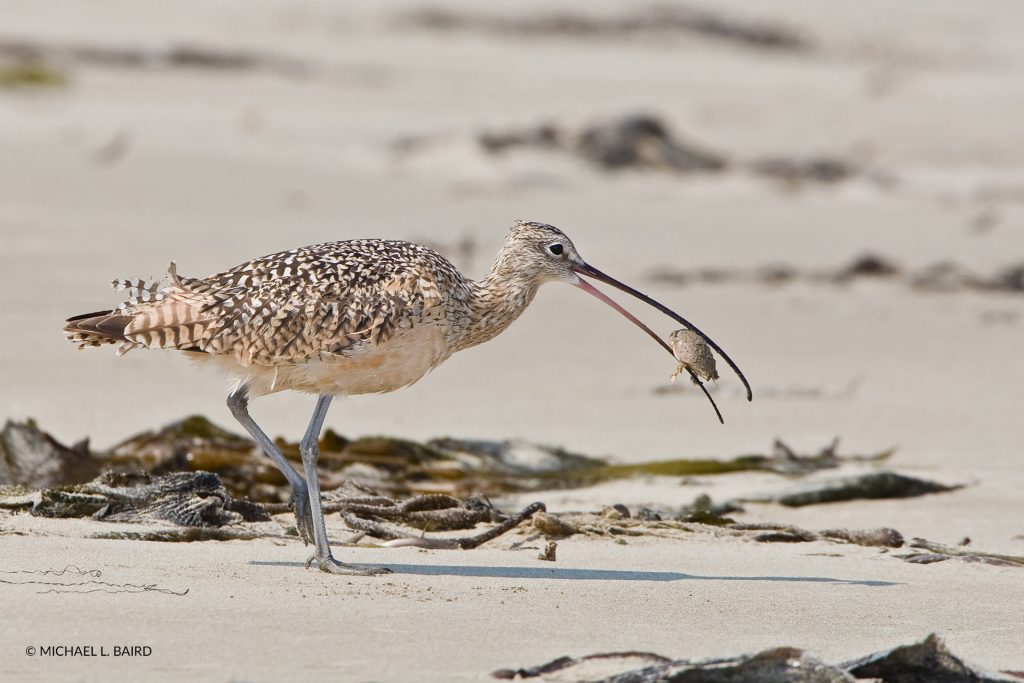
On migration and in wintering areas, the diet reflects a shift toward coastal and agricultural resources. Along shorelines and estuaries, curlews consume a variety of marine invertebrates including ghost crabs, fiddler crabs, polychaete worms, clams and snails. In agricultural landscapes, they feed heavily on insects in tilled fields, and when animal prey is scarce, they may also eat seeds and other plant material.
Bill length plays an important role in feeding strategy. Females, with their longer bills, can probe deeper into soil or sediment to locate buried prey, while males often target surface-dwelling species. This subtle division of feeding niches helps reduce direct competition between sexes within breeding pairs and mixed flocks. Foraging methods range from deep probing for hidden invertebrates, to slow, deliberate stalking followed by a quick lunge at visible prey, to coordinated flock foraging in which birds advance in loose lines, flushing insects or invertebrates from cover.
Breeding
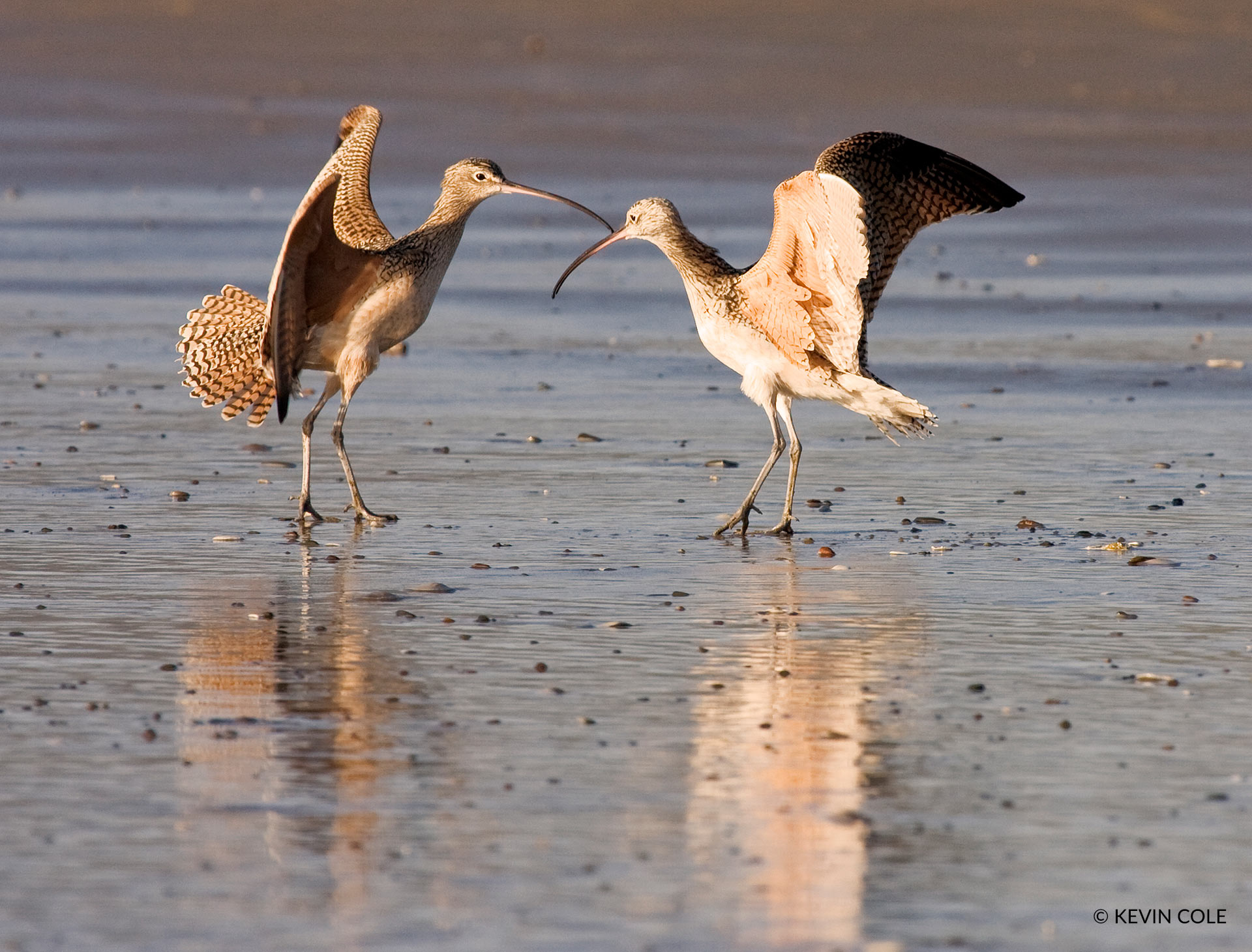
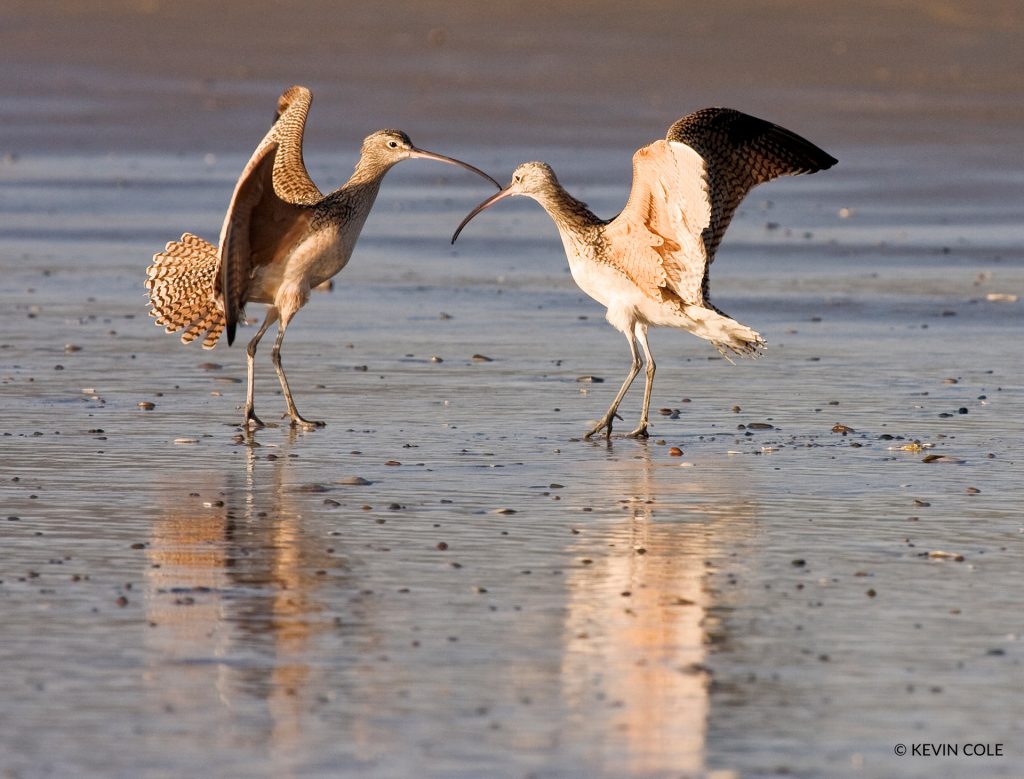 Credit: Kevin Cole
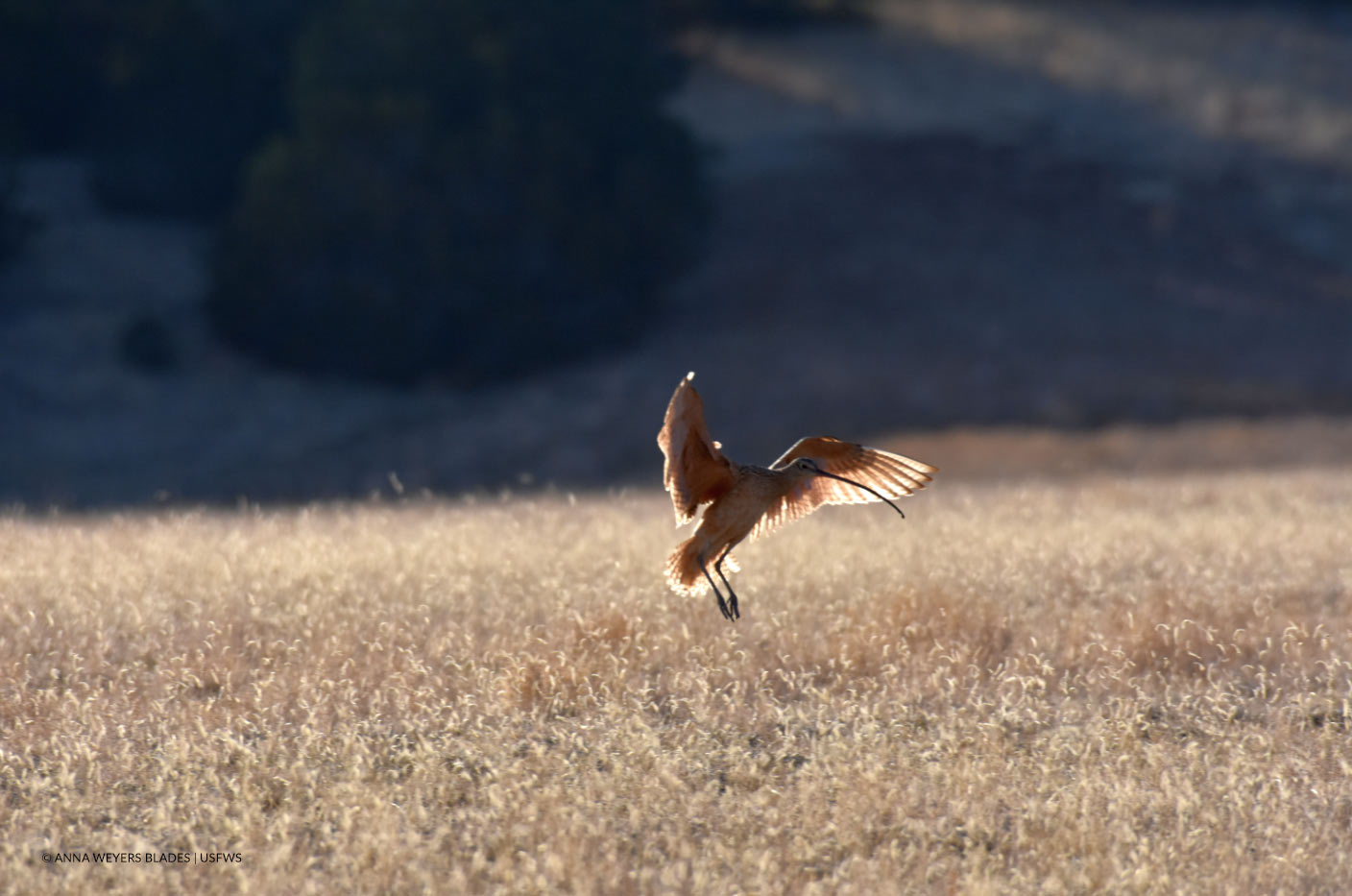
Long-billed Curlews arrive on breeding grounds in April or early May. Males engage in conspicuous aerial displays, flying in looping patterns while singing a whistled song that may last several minutes.
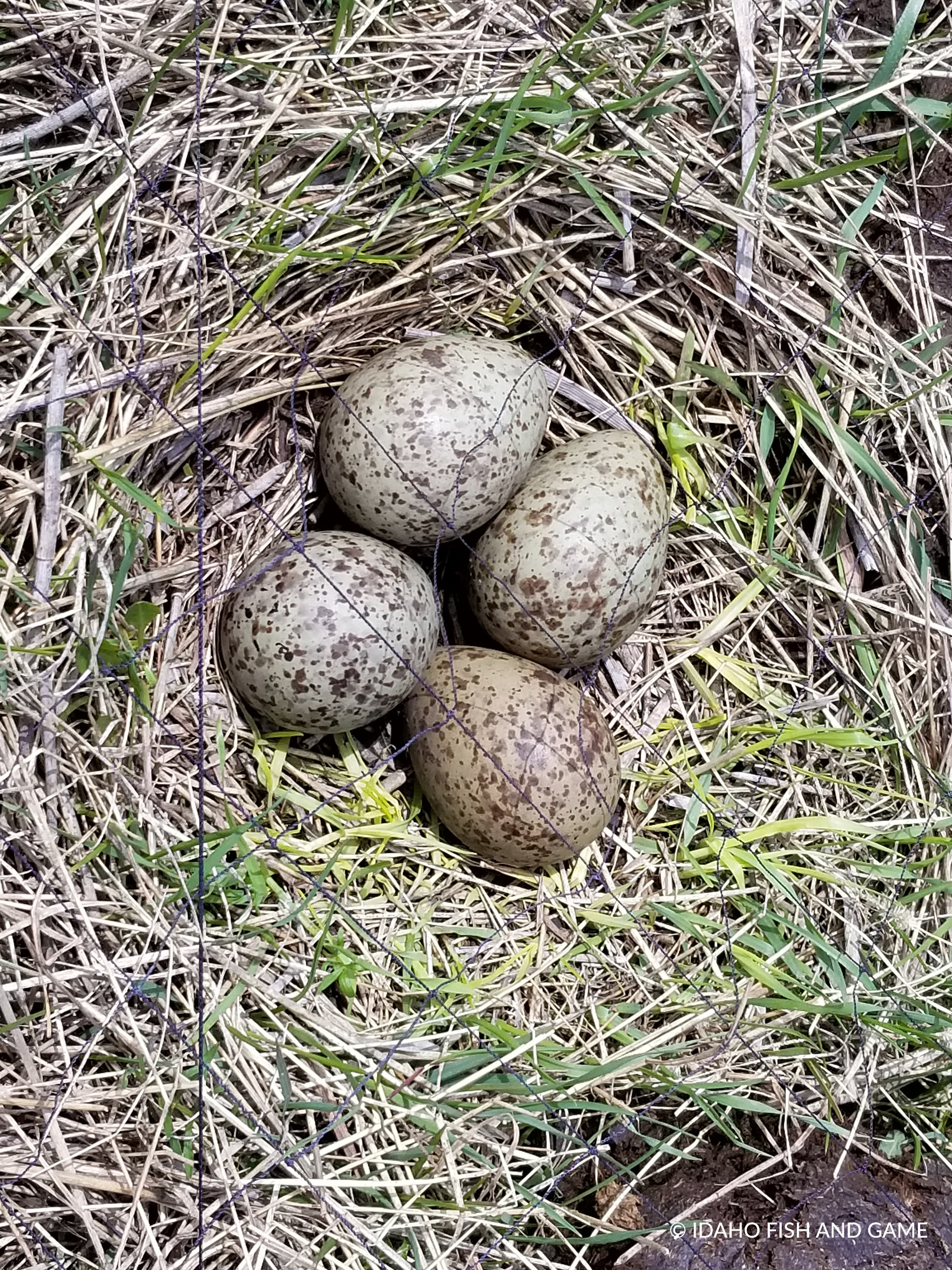
On the ground, males create multiple shallow scrapes. The female selects one to line with grasses, leaves and occasionally animal droppings. Clutches usually contain four eggs, coloured buff with brown blotches for camouflage. Both sexes share incubation duties over 27 to 31 days.
Chicks hatch covered in down, with eyes open, and are mobile within hours. They begin feeding themselves almost immediately but remain under close parental protection.
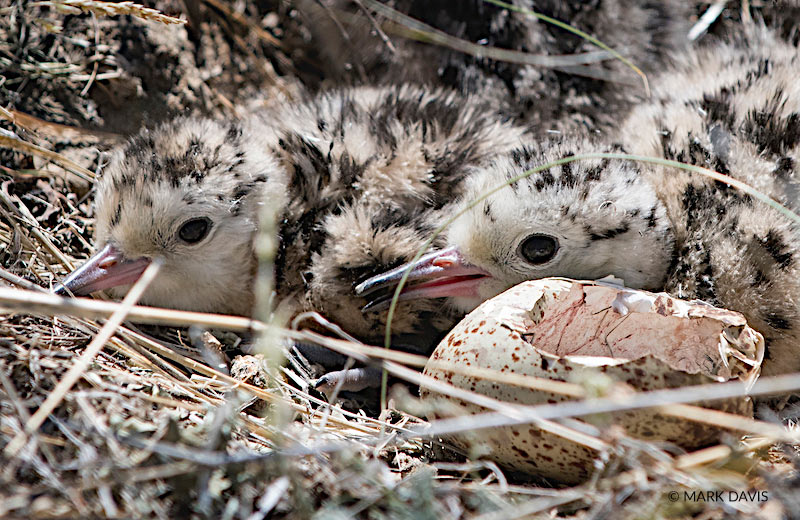 Credit: Mark Davis
An unusual aspect of this species’ breeding biology is that females typically depart for the wintering grounds two to three weeks after her eggs hatch, leaving the male as sole caretaker until fledging at 38 to 45 days. This sex-role reversal is rare among shorebirds and may be an adaptation to the demands of early migration.
Sexual maturity occurs at about three years. Lifespan averages 8 to 10 years in the wild, though individuals may survive longer under favourable conditions.
Conservation
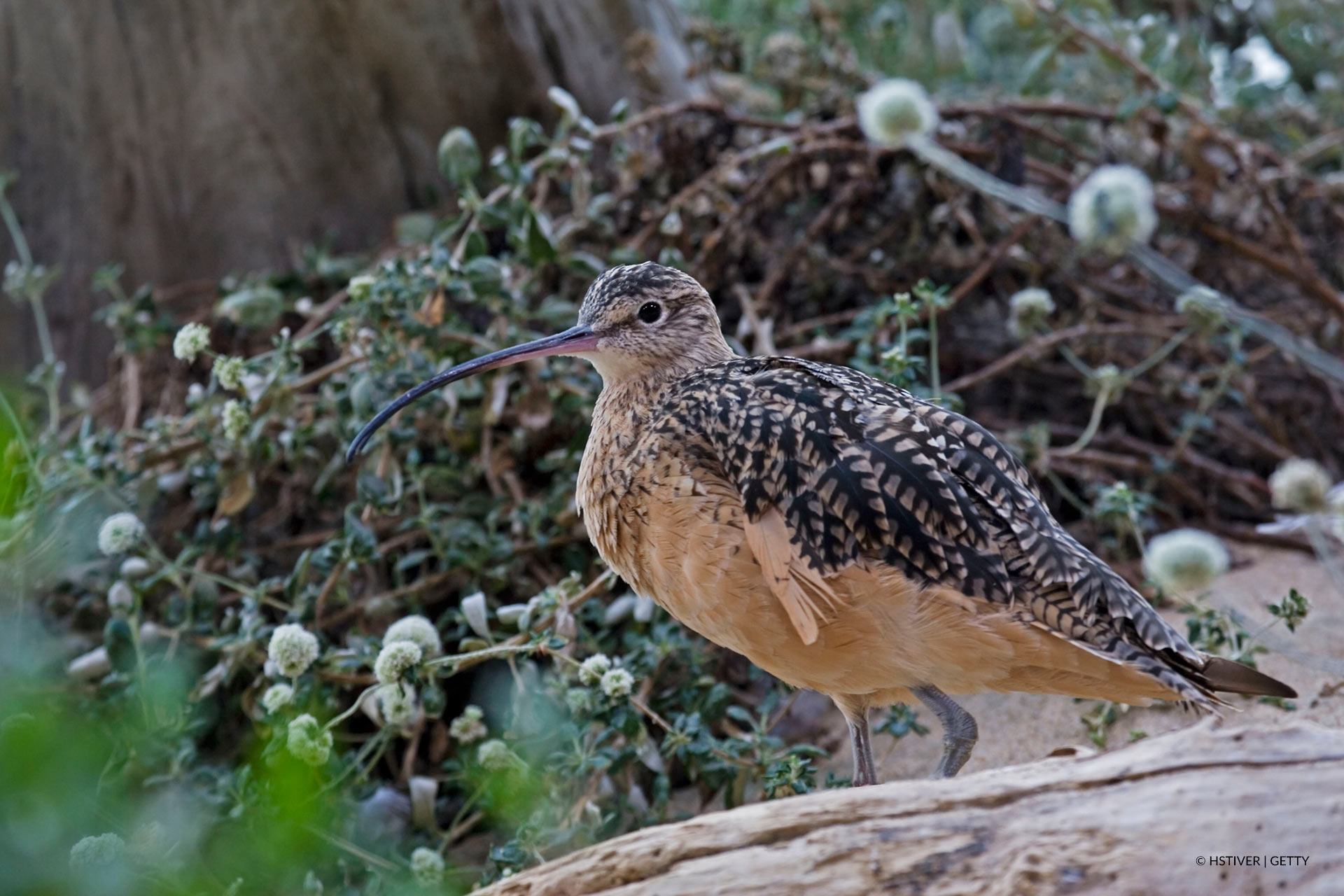
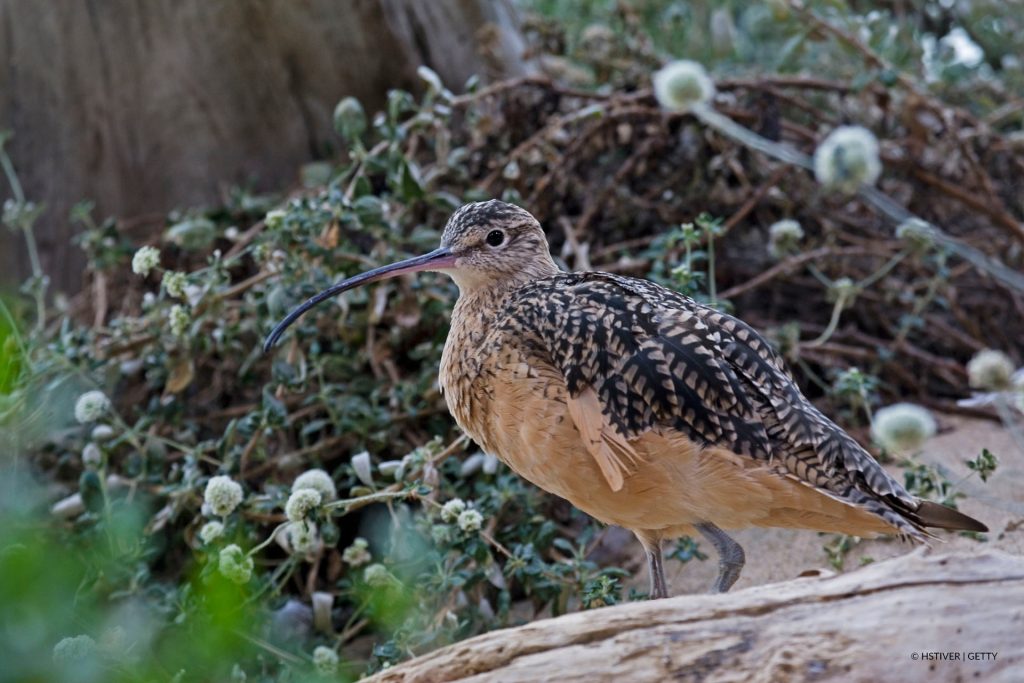 Credit: Getty / H Stiver
Eggs and chicks are vulnerable to predation by coyotes, badgers, foxes, skunks and raptors such as Swainson’s and Ferruginous Hawks. Corvids (magpies, crows) also take eggs and young. Adults can evade most predators through flight but are occasionally taken by large raptors.
Survival rates for adults are relatively high, but chick survival varies widely depending on weather, predation and habitat quality. Drought years can reduce insect prey abundance, leading to lower fledging success.
In Canada, the Long-billed Curlew is listed as Threatened under the federal Species at Risk Act (SARA) and is recognized as a Priority Species in the North American Bird Conservation Initiative’s grassland bird strategy. Despite its relatively wide distribution, it faces a number of ongoing threats, most of which are tied to the loss or degradation of native prairie habitat. Conversion of grasslands to cropland, expanding urban areas and energy developments reduce available nesting habitat and fragment remaining landscapes. Overgrazing can leave vegetation uniformly short, offering little cover for nests or chicks, while fire suppression allows shrubs to invade and alter the open character of prairies. Invasive plants such as leafy spurge and knapweed further change vegetation structure, making sites less suitable for breeding.
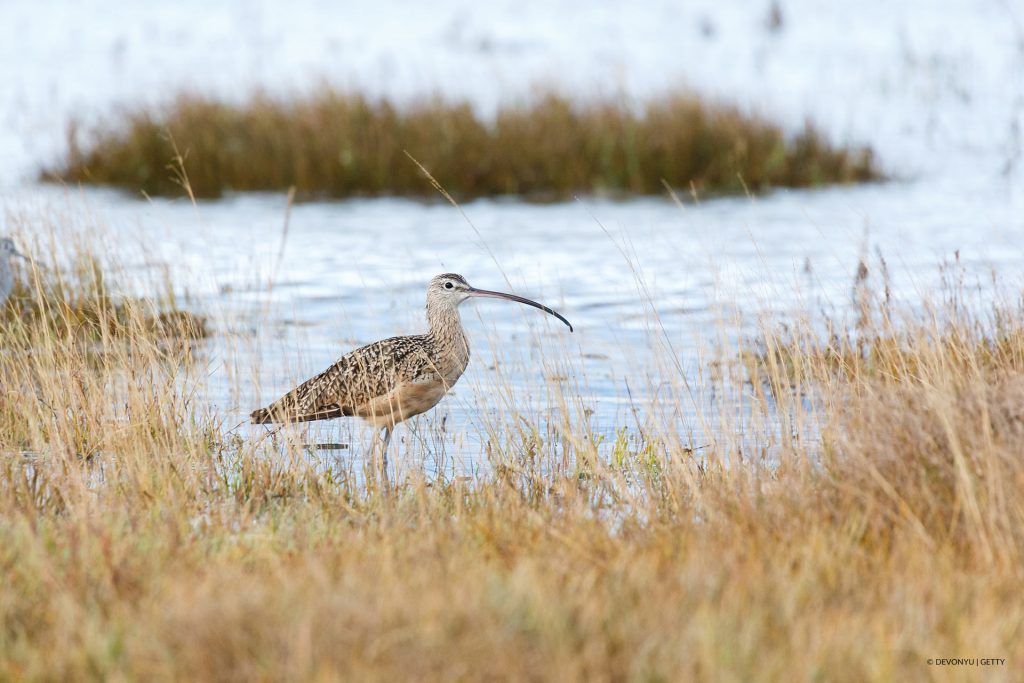 Credit: Getty / Denovnyu
The species also faces declines in food availability from pesticide use which reduces insect prey, and is also vulnerable to human disturbance during the nesting season. Vehicles, off-road recreation and unleashed dogs can flush adults from nests, exposing eggs and chicks to predation or temperature stress. Climate change adds another layer of pressure, altering precipitation patterns, shifting vegetation growth and affecting the timing and abundance of insect prey.
Conservation efforts in Canada focus on protecting and managing habitat across the breeding and migration ranges. Various initiatives work to secure and restore native grasslands, often in collaboration with ranchers. Grazing management plans are designed to maintain a mosaic of vegetation heights, supporting both nesting and foraging needs. Delaying haying operations until after chicks have fledged reduces mortality during the breeding season, while safeguarding key stopover sites along migration corridors ensures access to vital feeding areas. Research using satellite telemetry is helping to map migration routes and pinpoint critical habitats, allowing conservation measures to be targeted where they will have the greatest effect. Case studies show that working directly with landowners to conserve intact prairie is among the most cost-effective and sustainable ways to protect this iconic grassland bird.
Cultural and Historical Significance
 Credit: Wildreturn
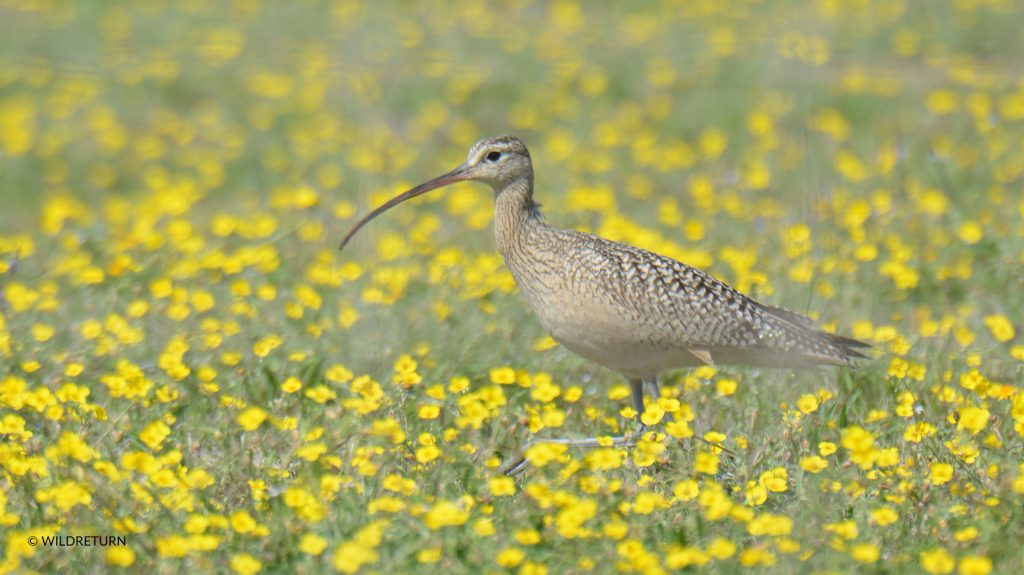
Indigenous communities have long recognized the Long-billed Curlew as part of the seasonal cycle of the prairie. In some Plains Indigenous traditions, its return in spring signalled the start of the warmer season. Its calls and behaviour were noted in oral histories, and it featured in some cultural narratives as a symbol of vigilance and protection.
European settlers arriving in the 19th century recorded curlew flocks in the thousands. By the early 20th century, numbers had plummeted due to unregulated hunting – both for food and for making hats – and also because of habitat loss. Conservation laws enacted in the early 1900s, such as the Migratory Birds Convention Act (1917), ended legal hunting and allowed gradual population stabilization in remaining habitats.
Today, the Long-billed Curlew’s survival depends heavily on the stewardship of working landscapes. Well-managed cattle ranches often provide ideal nesting habitat, as rotational grazing can maintain the patchy vegetation structure needed by the species.
Public awareness campaigns, such as World Curlew Day (April 21), highlight the bird’s plight and engage communities in conservation actions. Citizen science platforms like eBird, iNaturalist Canada and the Breeding Bird Survey provide critical population data that guide conservation priorities.
What we can do
What You Can Do
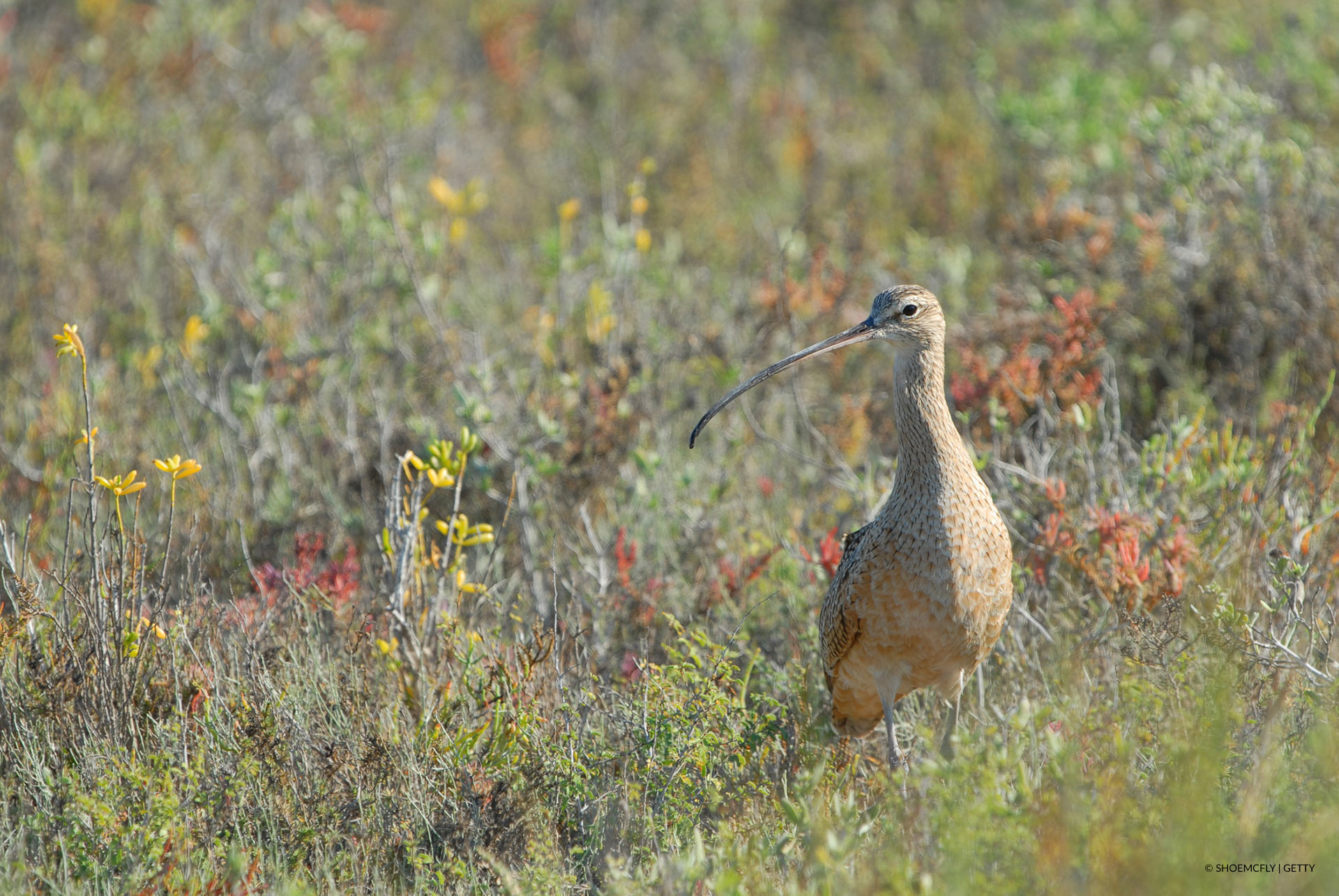
 Credit: Getty / Shoemcfly
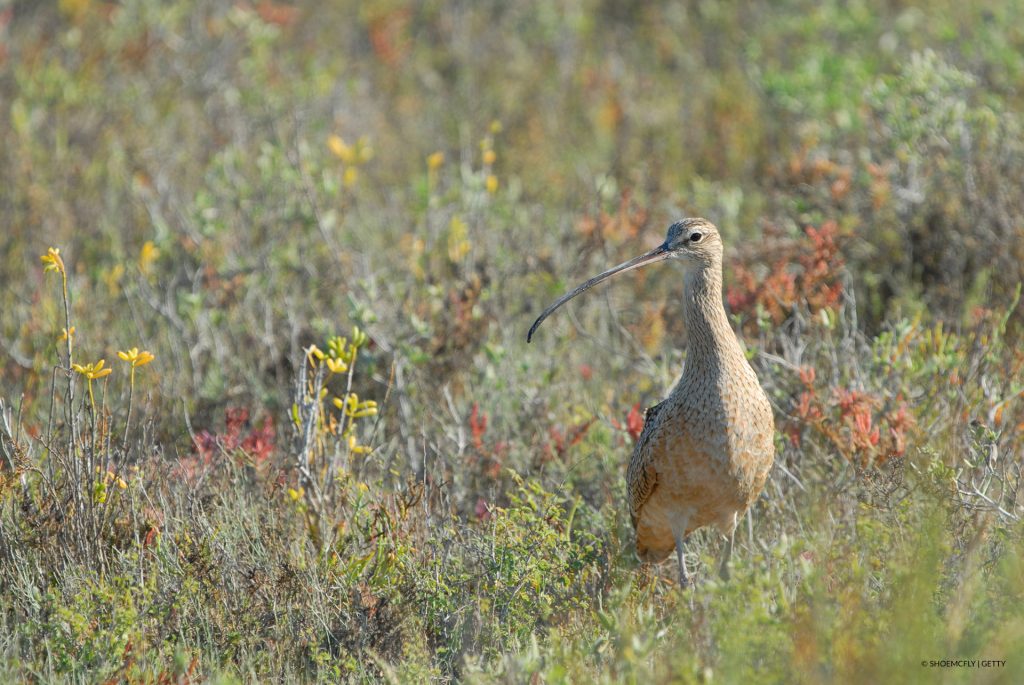
- Support conservation organizations working to protect prairie ecosystems
- Advocate for policies that secure native grasslands and regulate pesticide use
- If managing land, adopt grazing practices that leave varied vegetation heights
- Delay hay cutting in breeding areas until late summer
- Participate in bird monitoring programs
- Keep pets leashed in known breeding habitats during spring and early summer
Resources
Resources and References
- COSEWIC. 2002. Assessment and Update Status Report on the Long-billed Curlew in Canada. Committee on the Status of Endangered Wildlife in Canada.
- IUCN Red List. 2024. Numenius americanus. https://www.iucnredlist.org/species/22693195
- Cornell Lab of Ornithology. All About Birds: Long-billed Curlew.
- National Audubon Society. Field Guide to North American Birds.
- Rosenberg, K.V., et al. 2019. Decline of the North American avifauna. Science 366:120–124.
- Fink, D., et al. 2022. eBird Status and Trends: Long-billed Curlew. Cornell Lab of Ornithology.
- Sauer, J.R., et al. 2017. The North American Breeding Bird Survey, Results and Analysis 1966–2015. USGS Patuxent Wildlife Research Center.
- Warnock, N., et al. 2002. Migration ecology of shorebirds: Coastal and inland patterns. Journal of Avian Biology 33:1–13.
Text: Jody North, 2026