



 Western Redcedar
Description
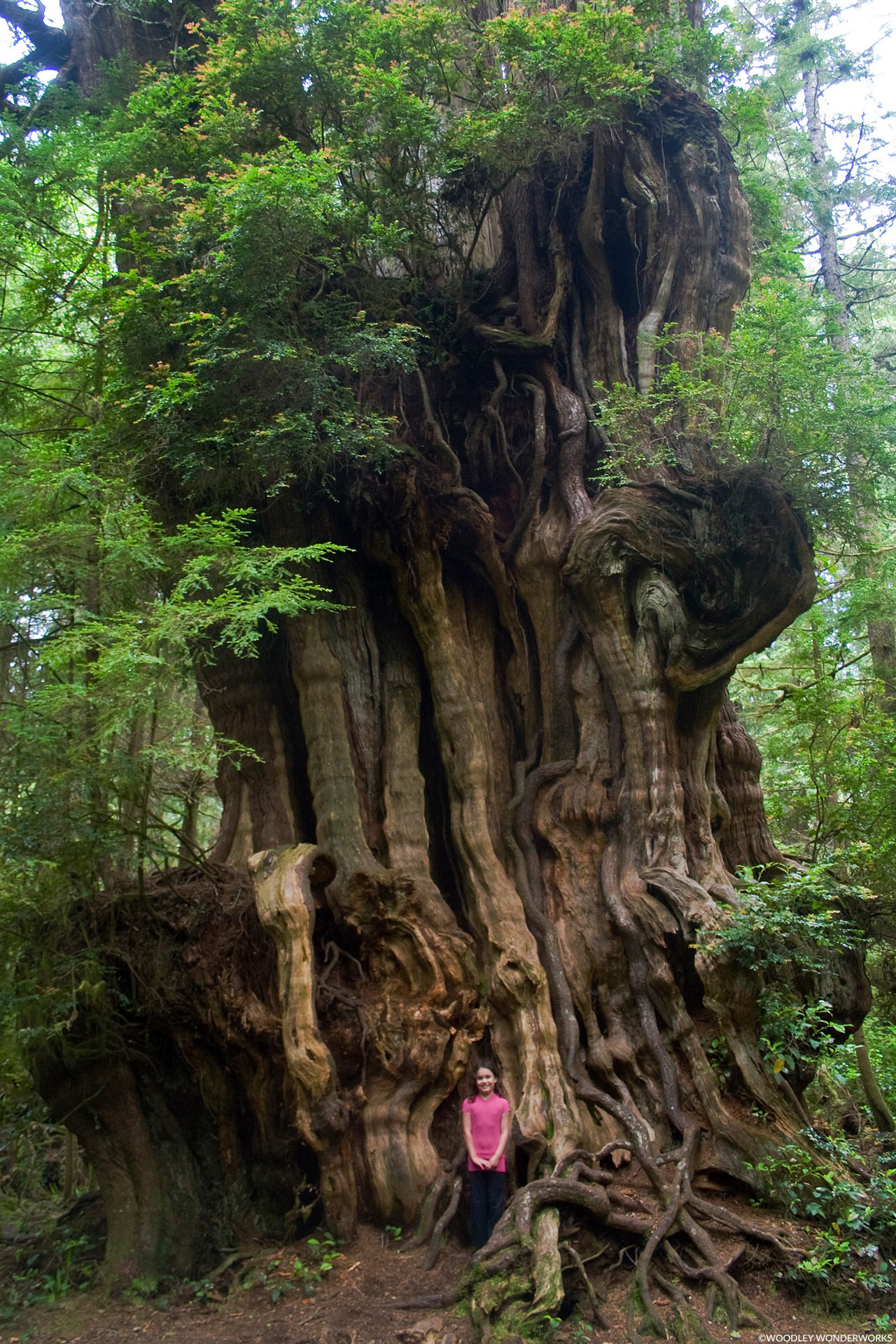
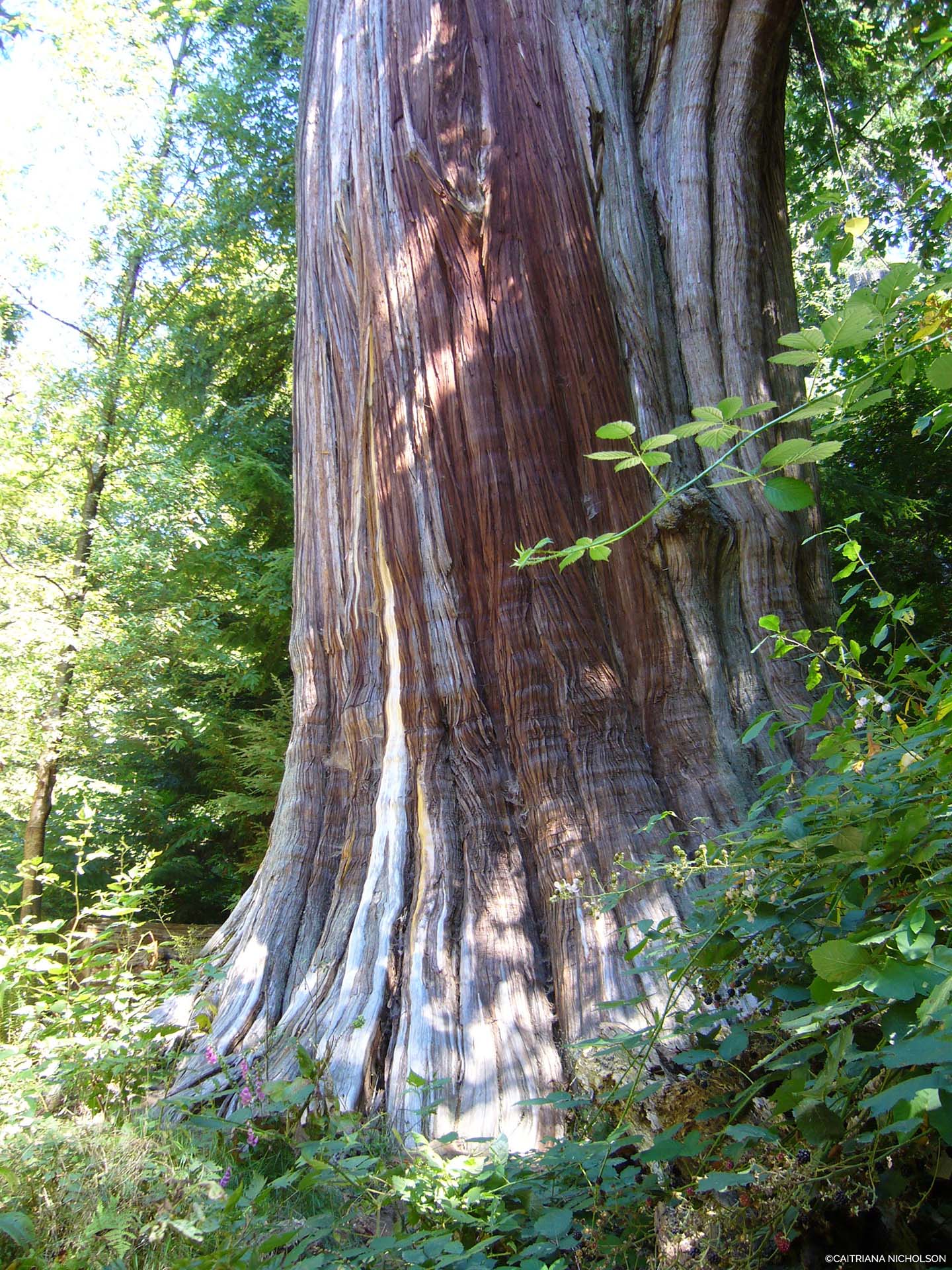
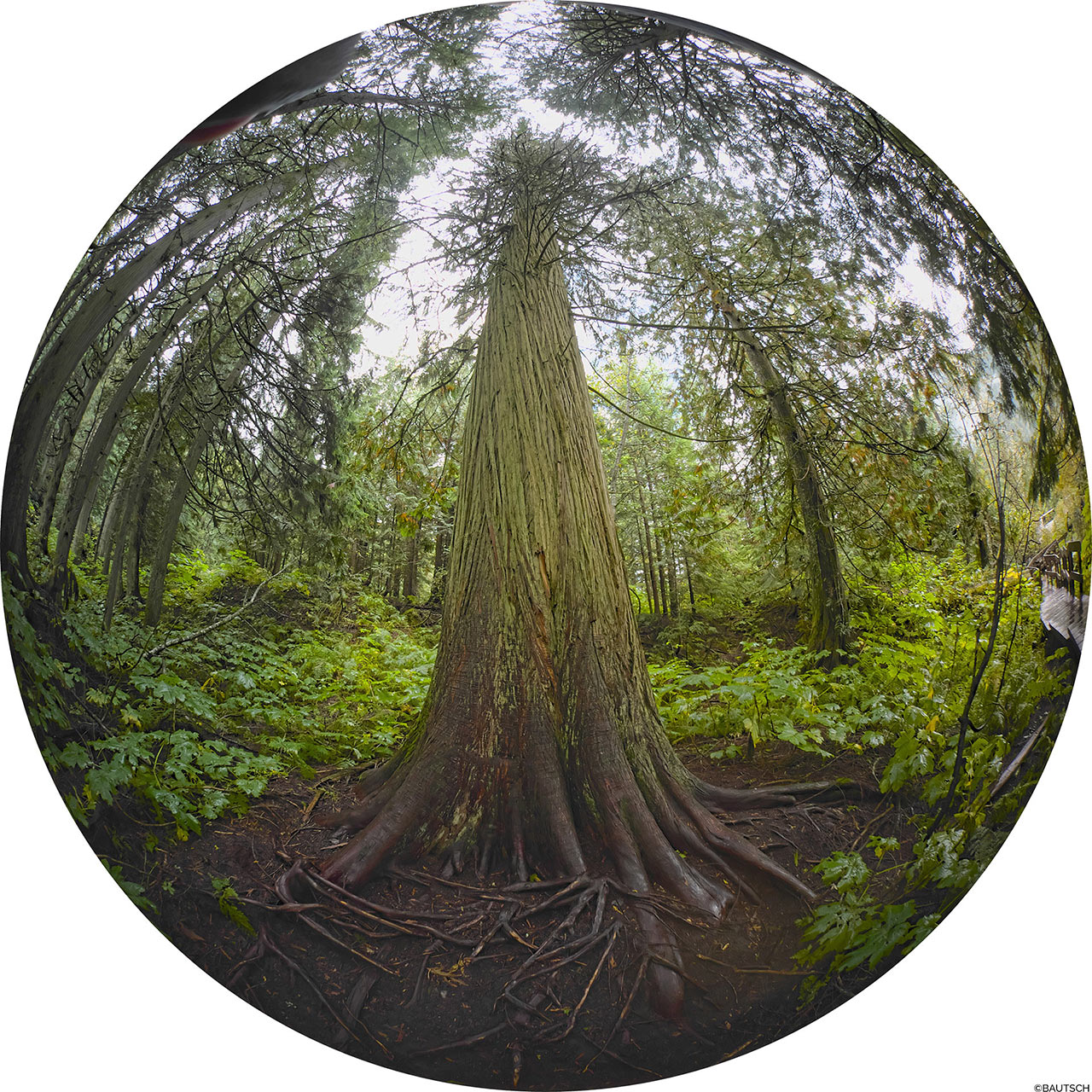
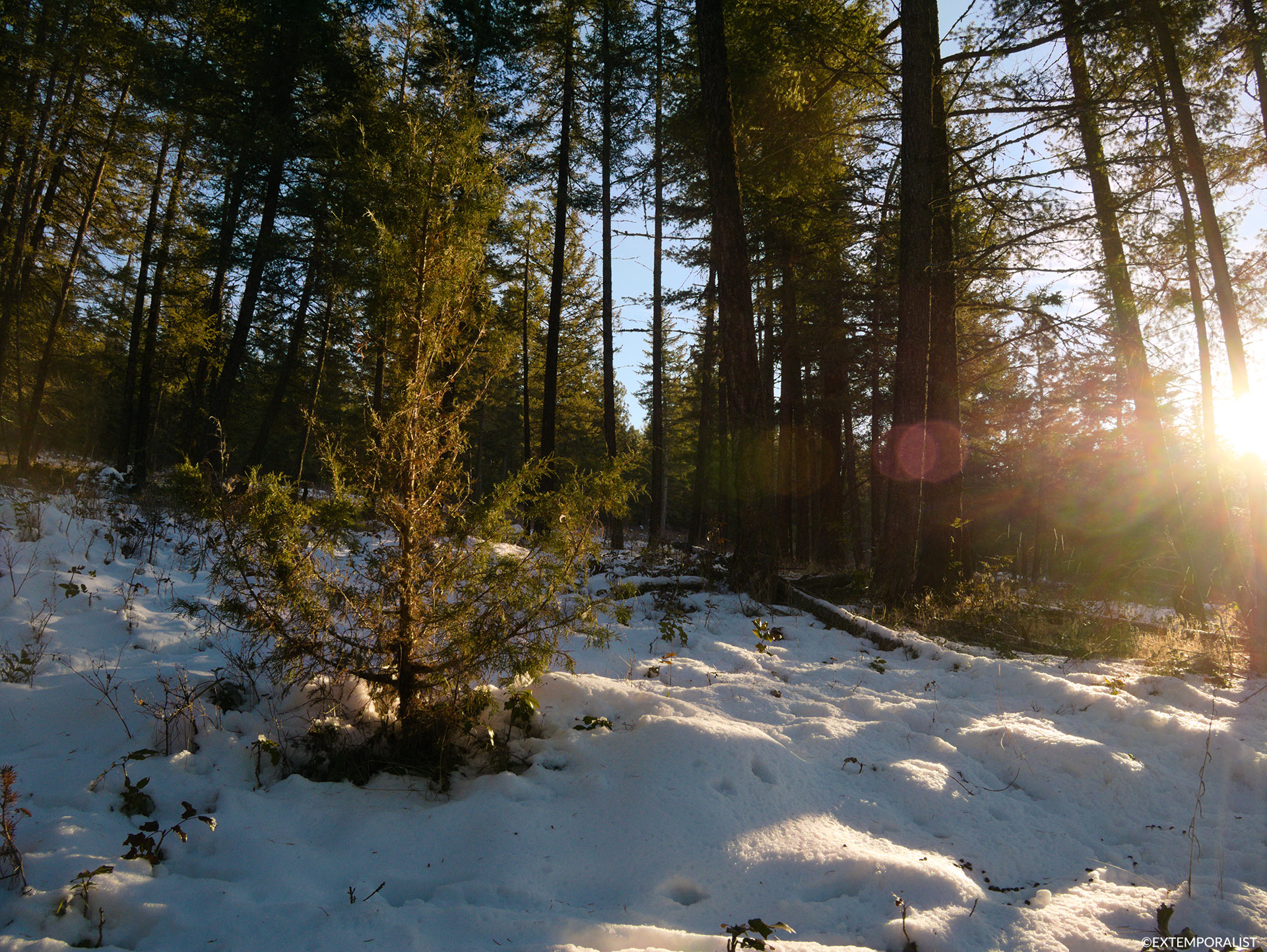
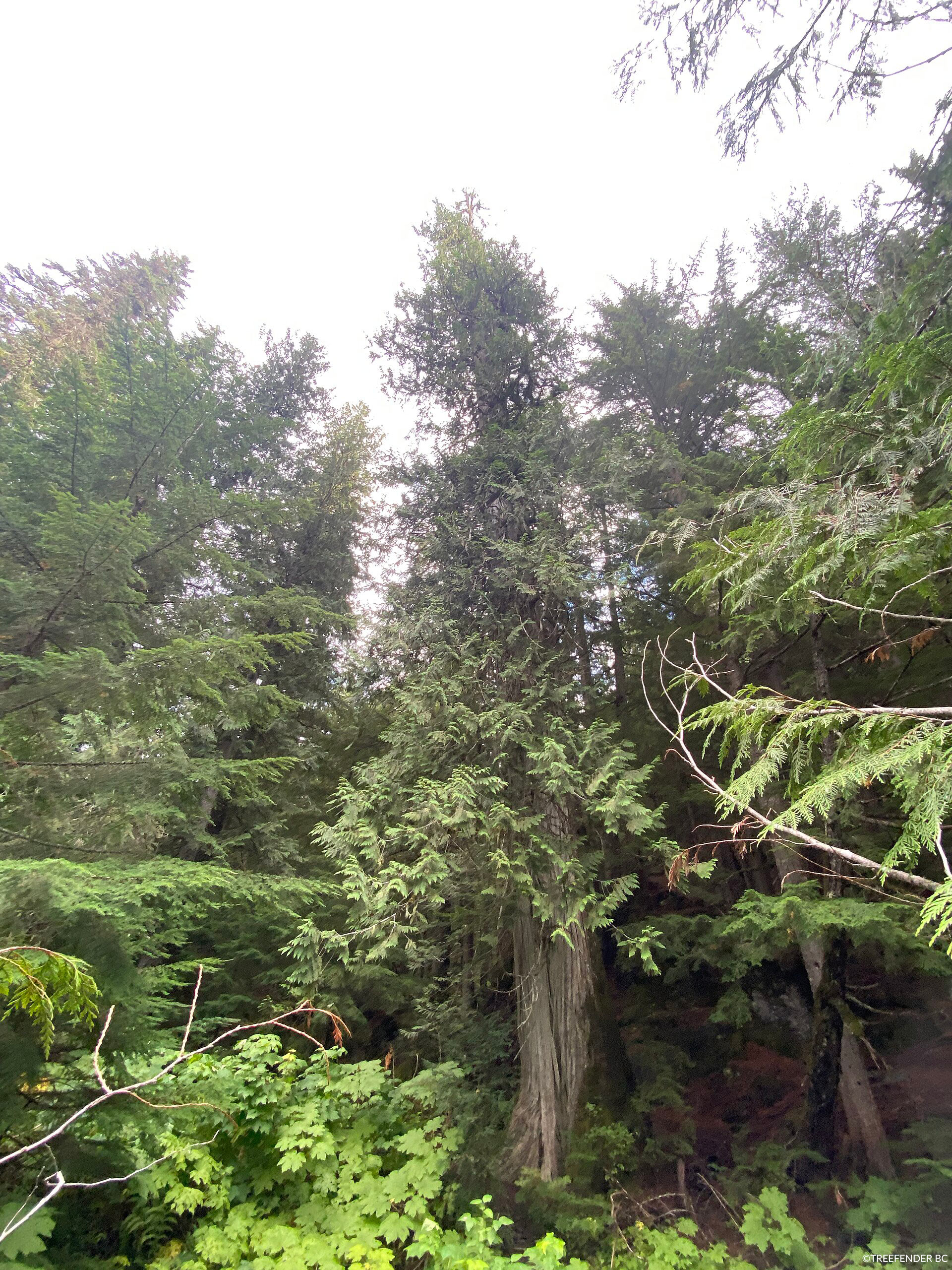
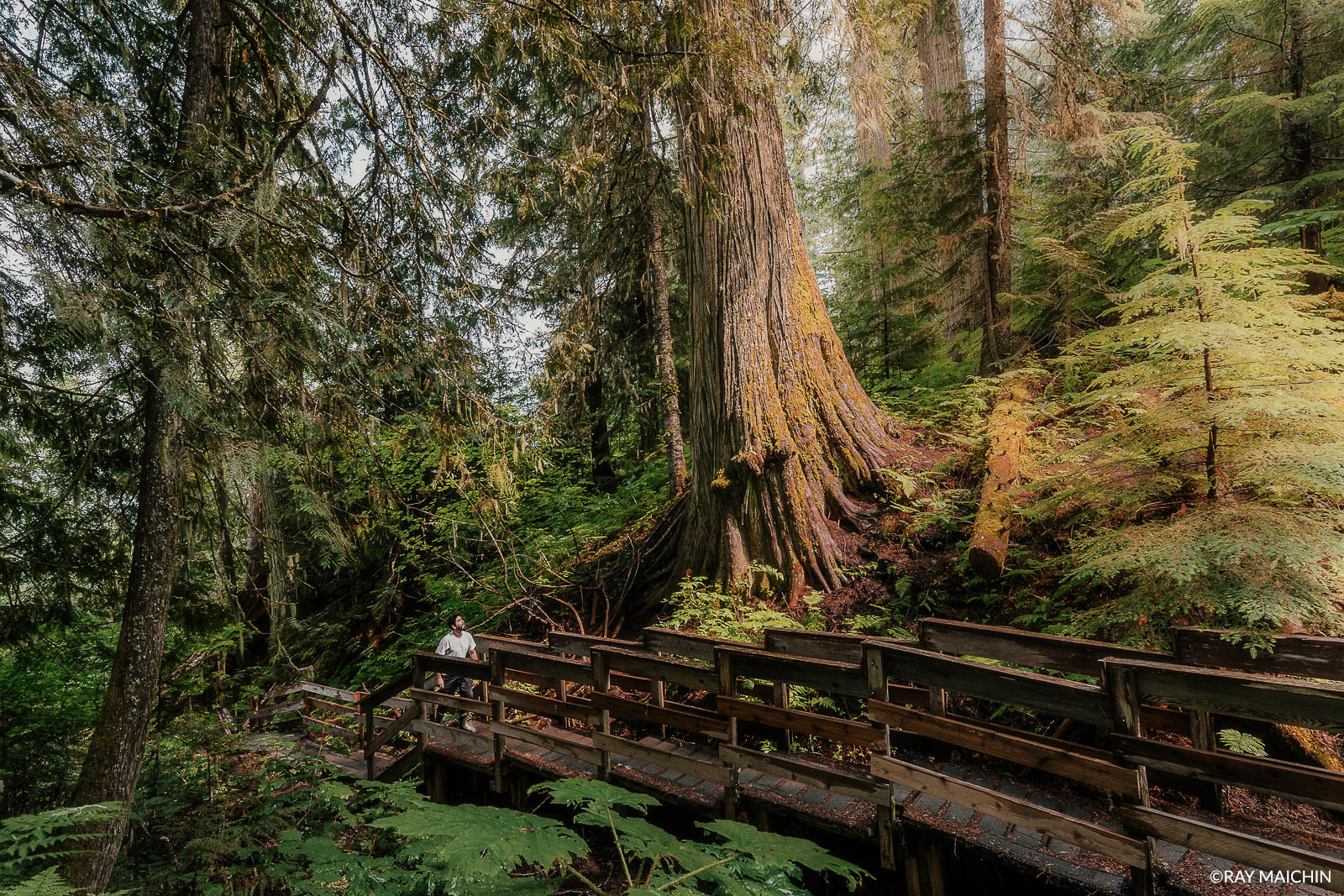
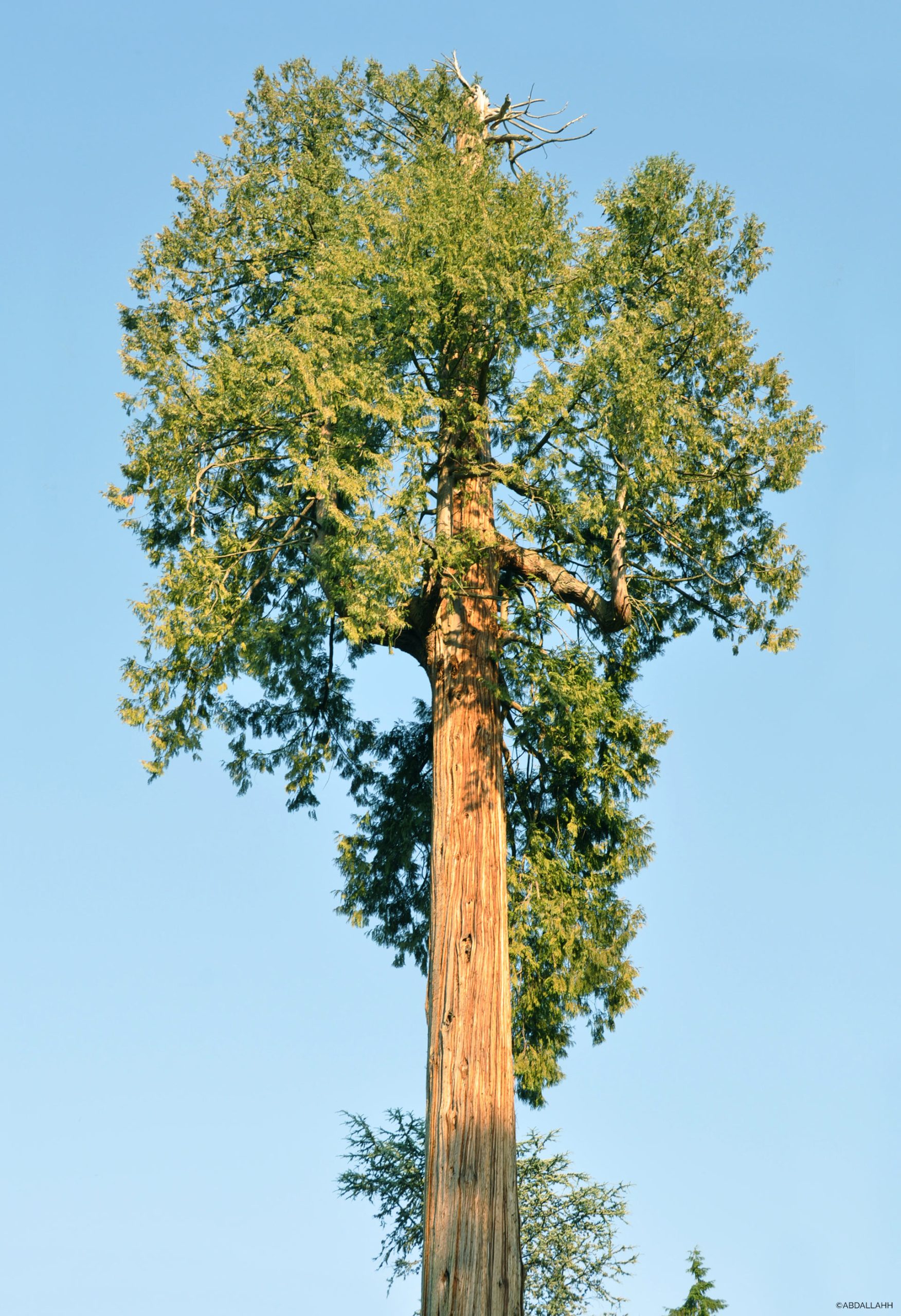
The Western Redcedar (Thuja plicata) is a large evergreen conifer that commonly reaches 45 to 60 metres in height, with exceptional individuals exceeding 70 metres under ideal growing conditions. Trunks may grow more than four metres in diameter, making this species one of the most massive trees in Canada by volume. Mature trees often develop wide, flared, buttressed bases that provide stability in the wet, shallow soils where the species typically grows.
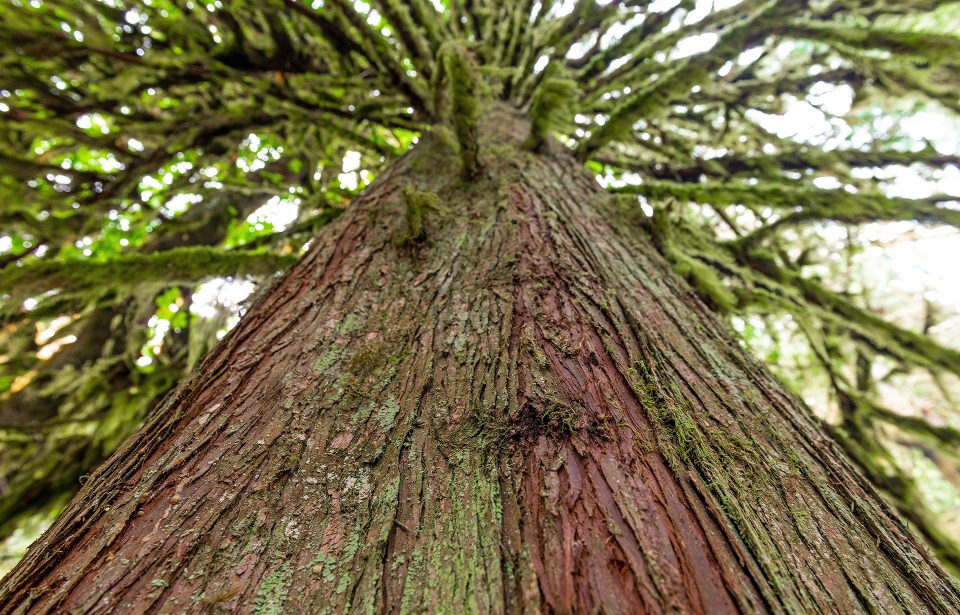
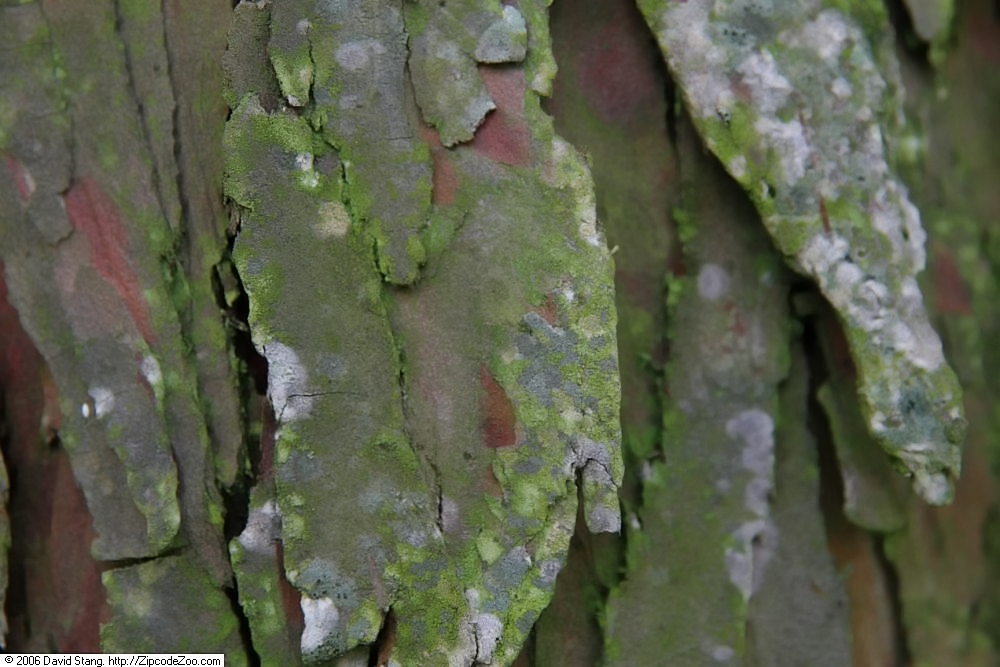
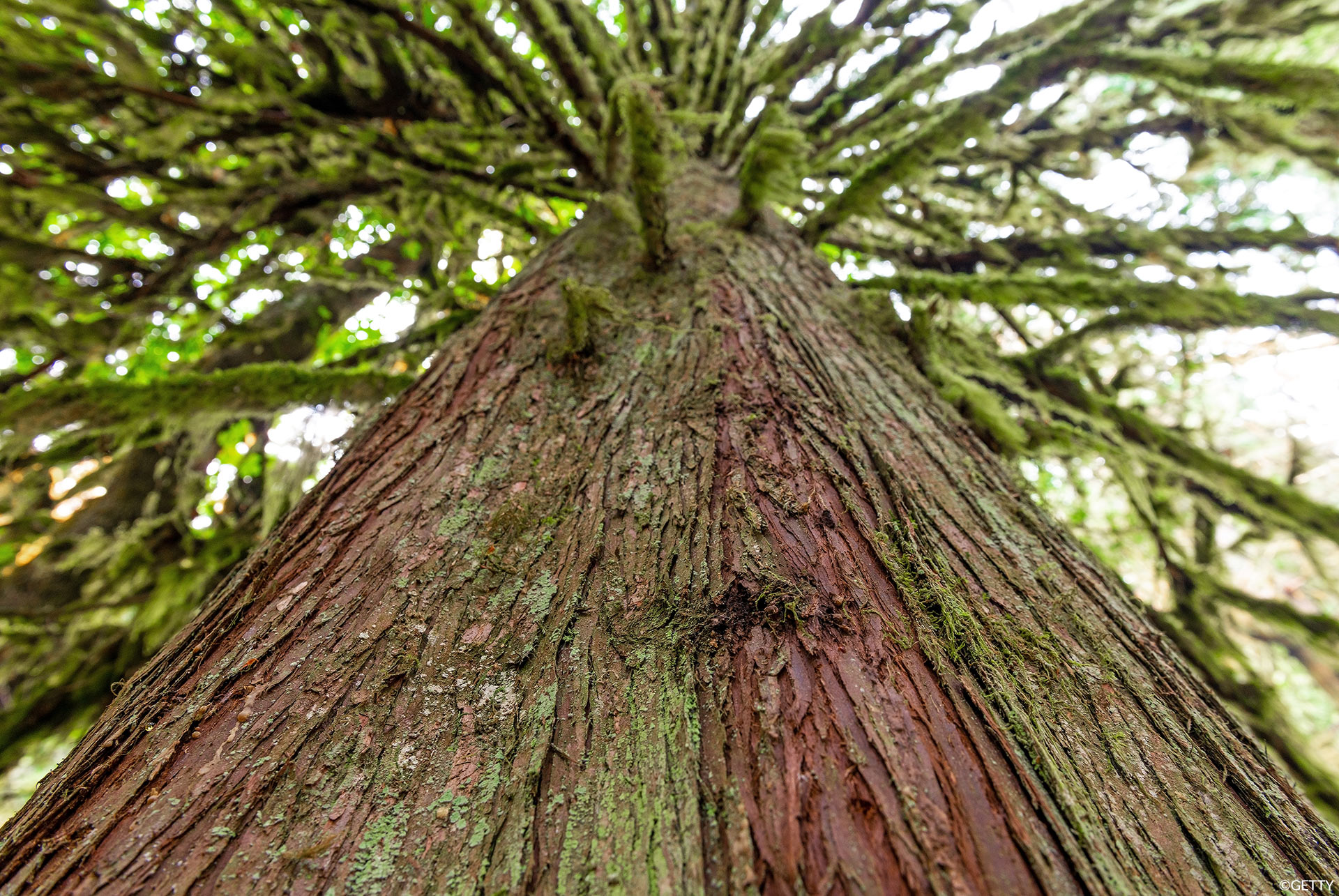
The bark is thin, fibrous, and reddish-brown, peeling in long vertical strips. This structure protects the tree from moisture damage and minor surface fires while allowing the bark to be removed in sheets. Beneath it, the wood is lightweight, aromatic, and highly resistant to decay due to naturally occurring chemical compounds, contributing to the tree’s longevity in damp environments.
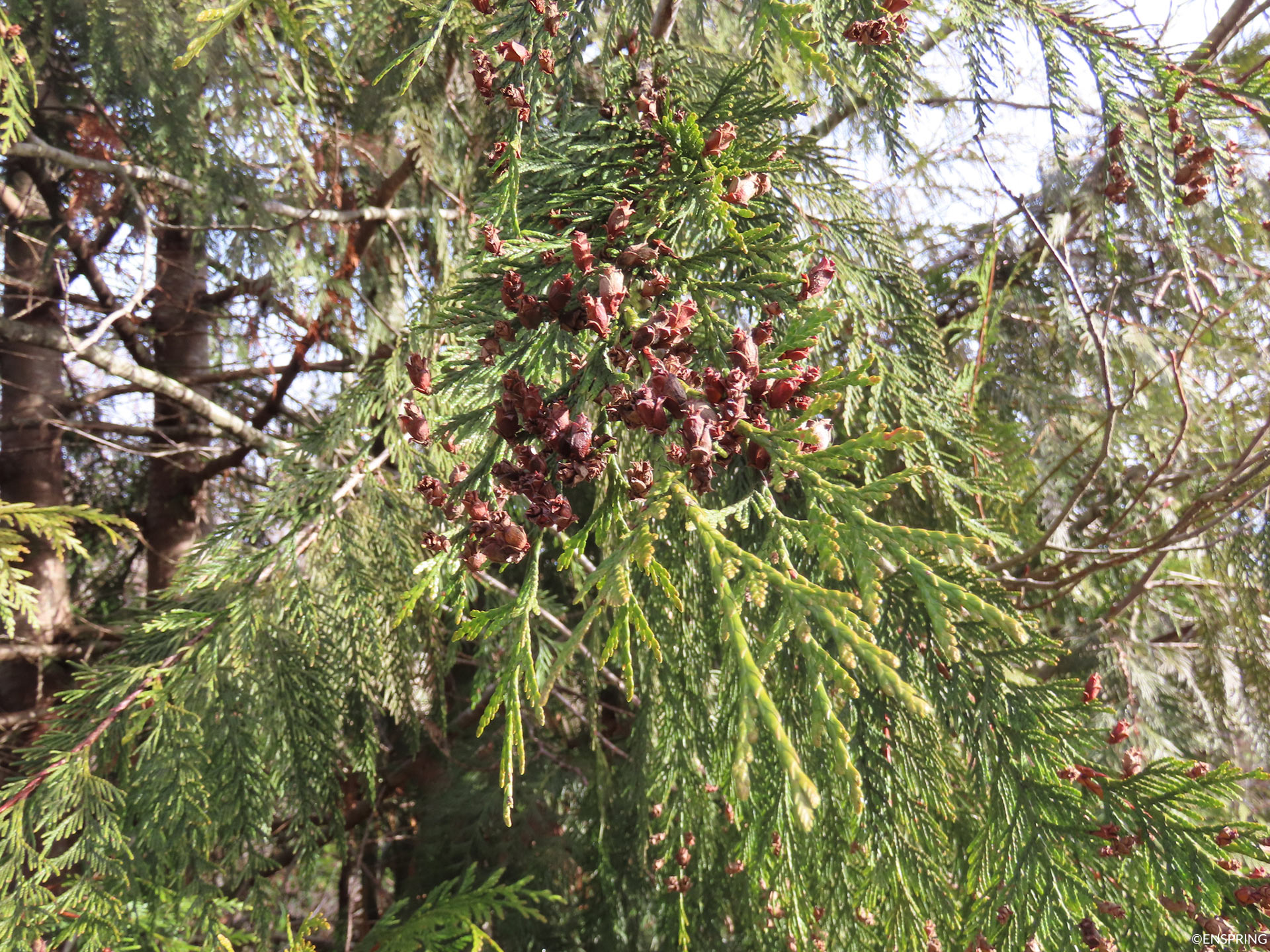 Credit: Enspring
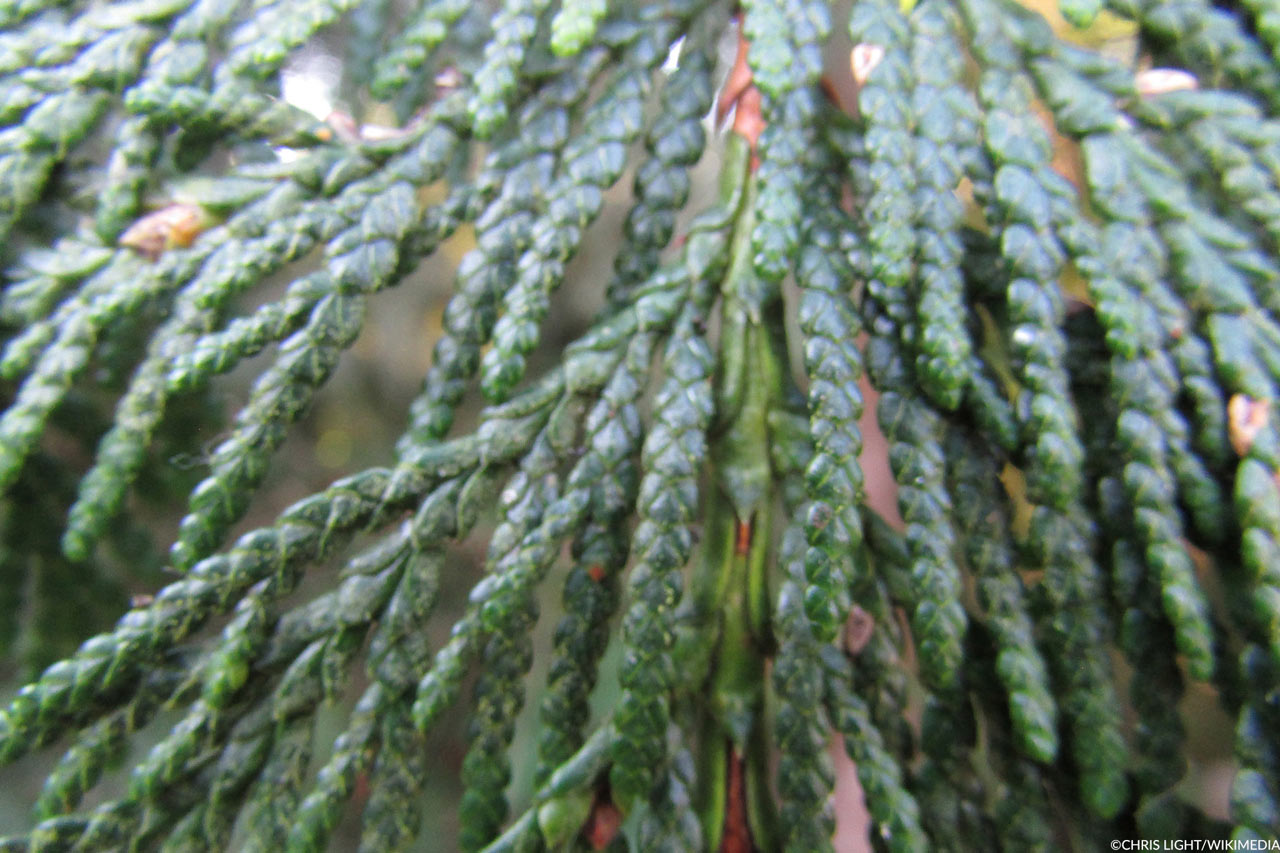
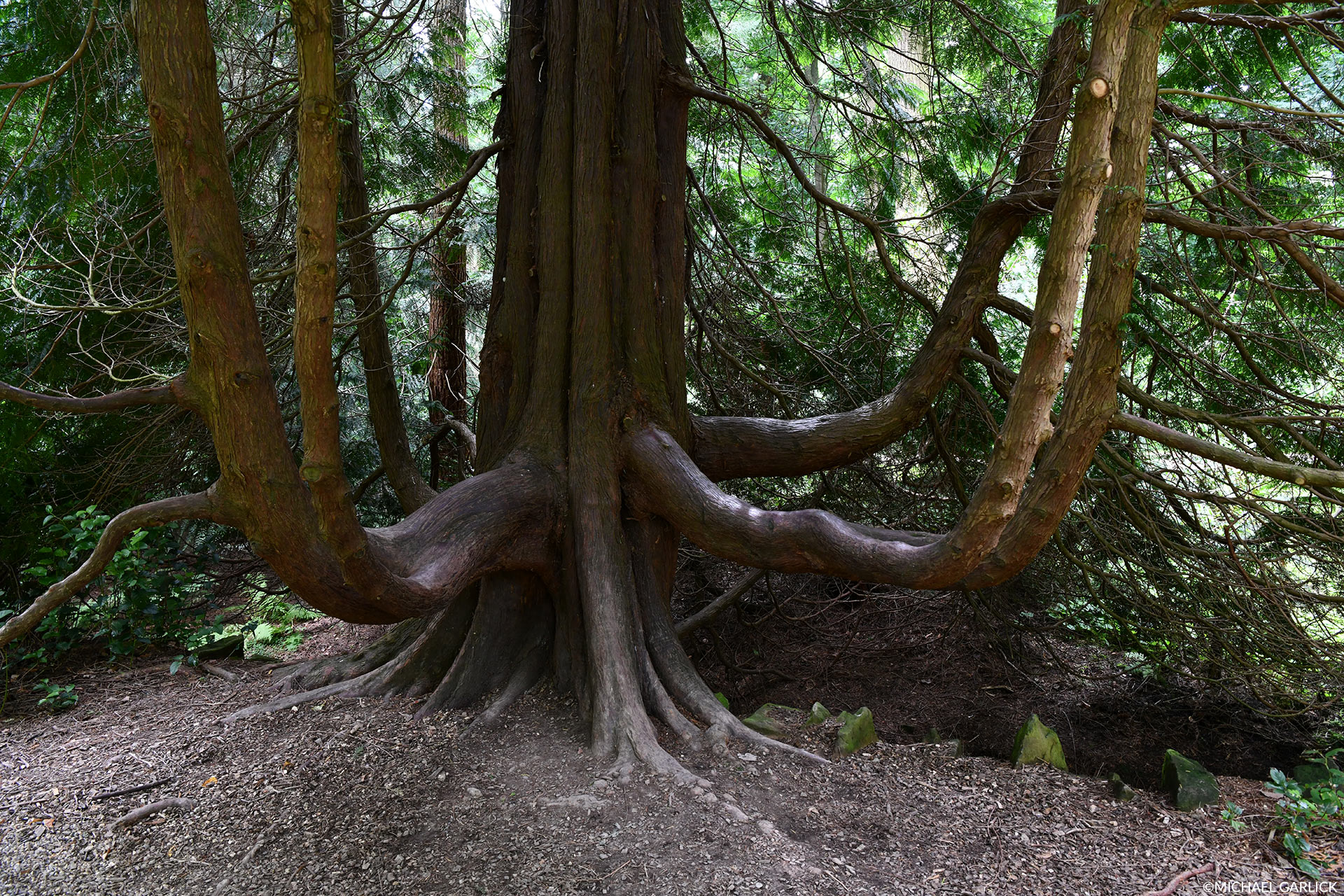
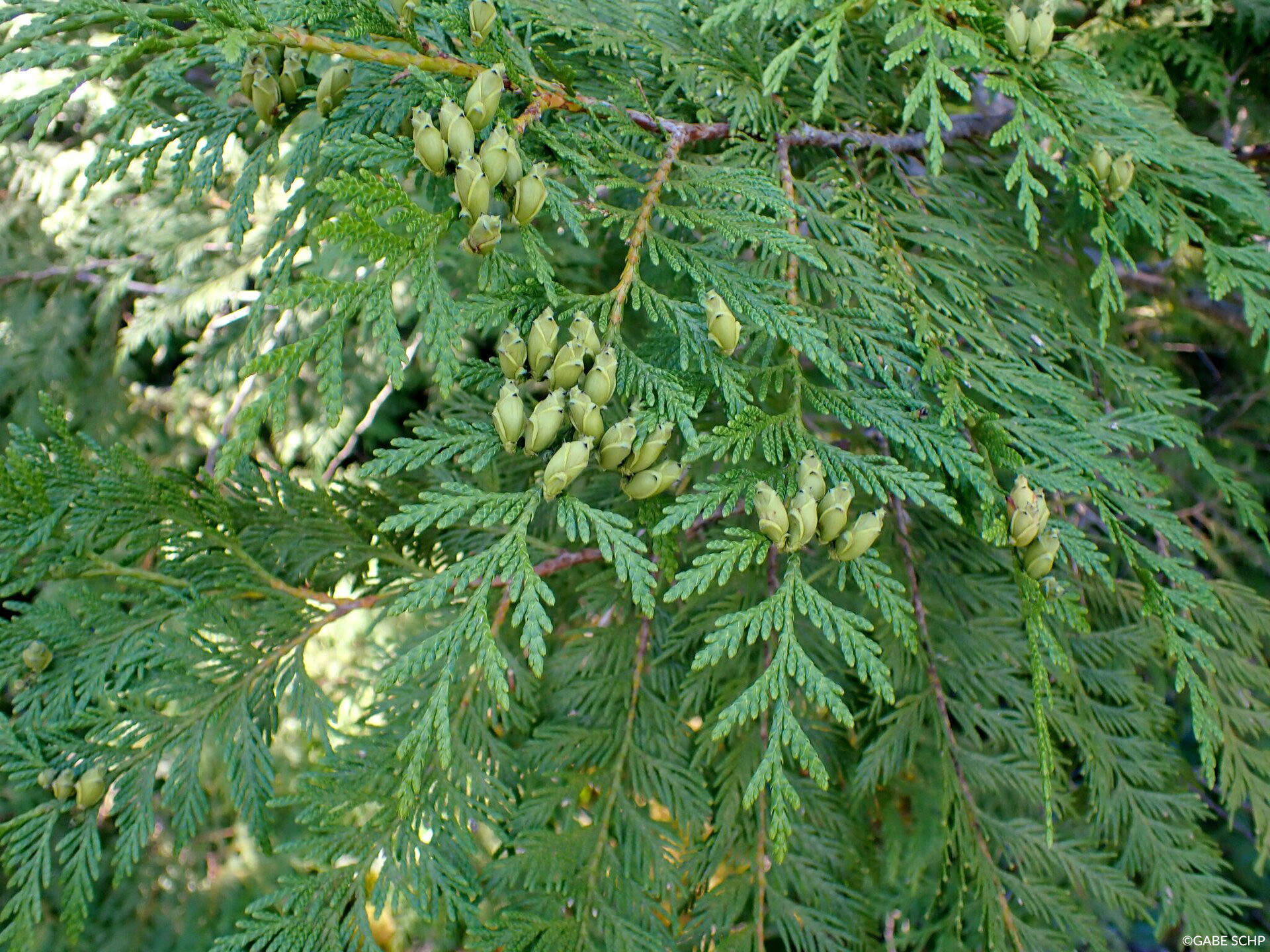
Western Redcedar has a distinctive growth form, shaped like a pyramid when young and appearing more irregular with age. Mature trees often develop drooping branches and forked or candelabra-like tops. The leaves and branchlets are arranged in flattened sprays, giving the foliage a layered, fan-like appearance. The leaves are bright green above and darker beneath, sometimes showing faint whitish markings. When crushed, the foliage releases a strong cedar scent. These leaves are well adapted to shaded environments and can maintain photosynthesis throughout much of the year, even under cool conditions.
Western Redcedar produces small, egg-shaped cones about eight to 12 millimetres long. Each cone contains several pairs of thin scales that open to release winged seeds, which are dispersed by wind. Seed production begins relatively early but peaks in mature trees and may continue for centuries.
The root system is shallow but widespread, allowing efficient absorption of water and nutrients in moist soils. This network also helps stabilize soil in riparian and wetland environments.
Habitat and Habits
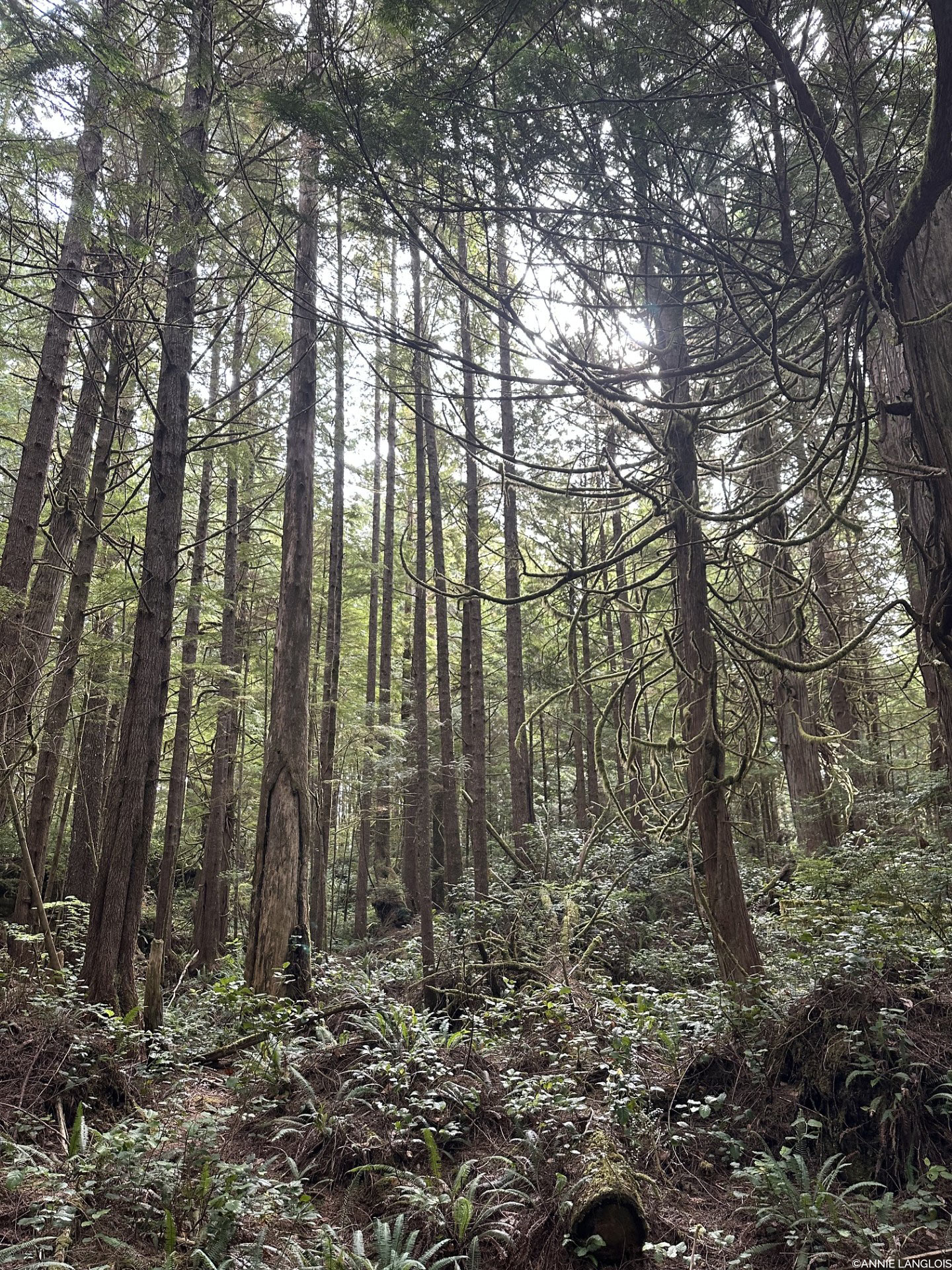 Credit: Annie LangloisWestern Redcedar thrives in cool, moist environments, particularly in coastal temperate rainforests. It is most abundant in lowland and valley-bottom forests where rainfall is high and humidity remains constant throughout the year.
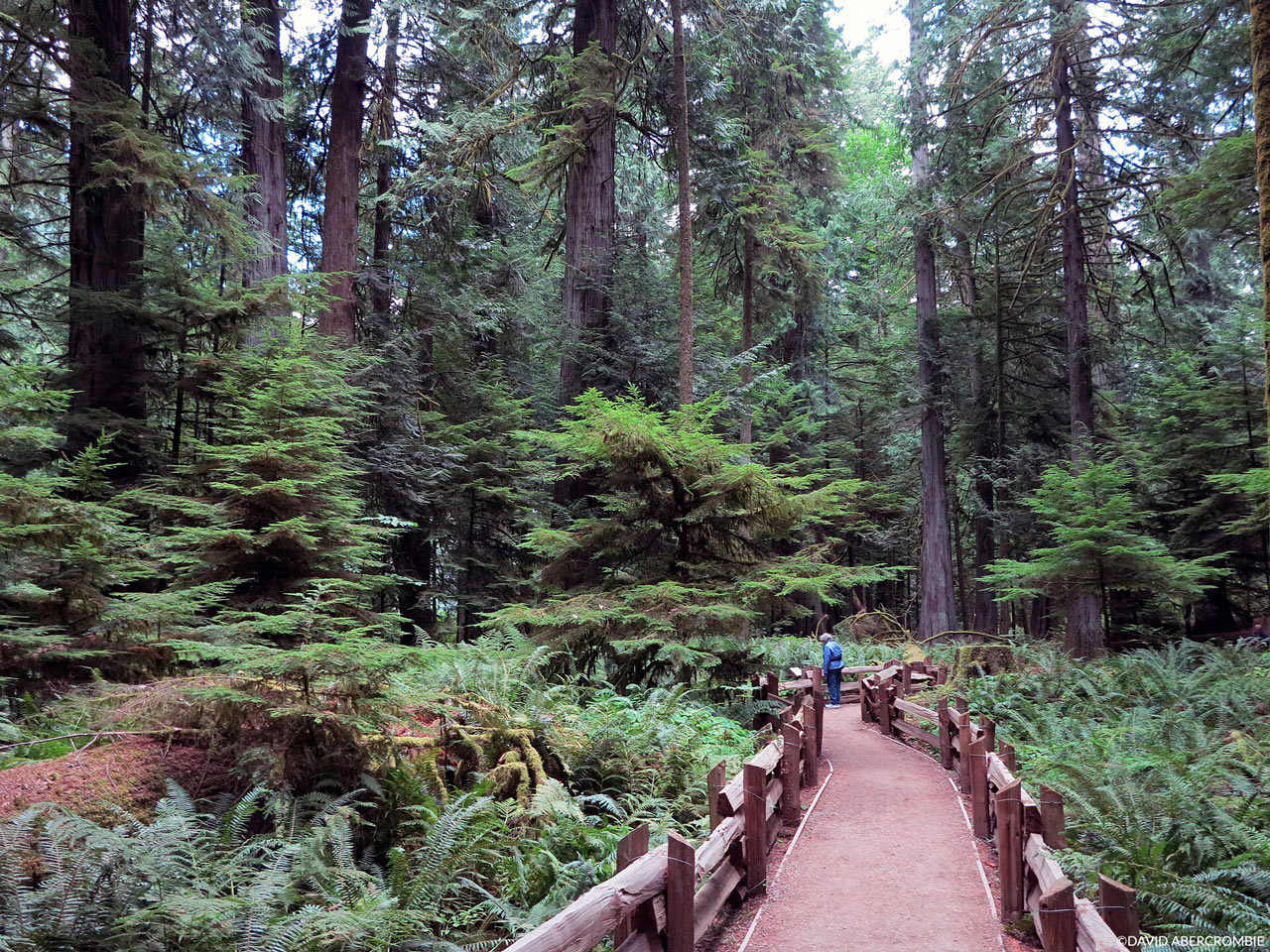
In Canada, redcedar is strongly associated with forests dominated by Western Hemlock, Douglas-fir, Sitka Spruce, and Pacific Silver Fir. It grows well in floodplains, riparian zones, seepage areas, and sites with deep organic soils. Although it prefers moist conditions, it can tolerate a wide range of soil types, including rocky slopes and well-drained uplands.
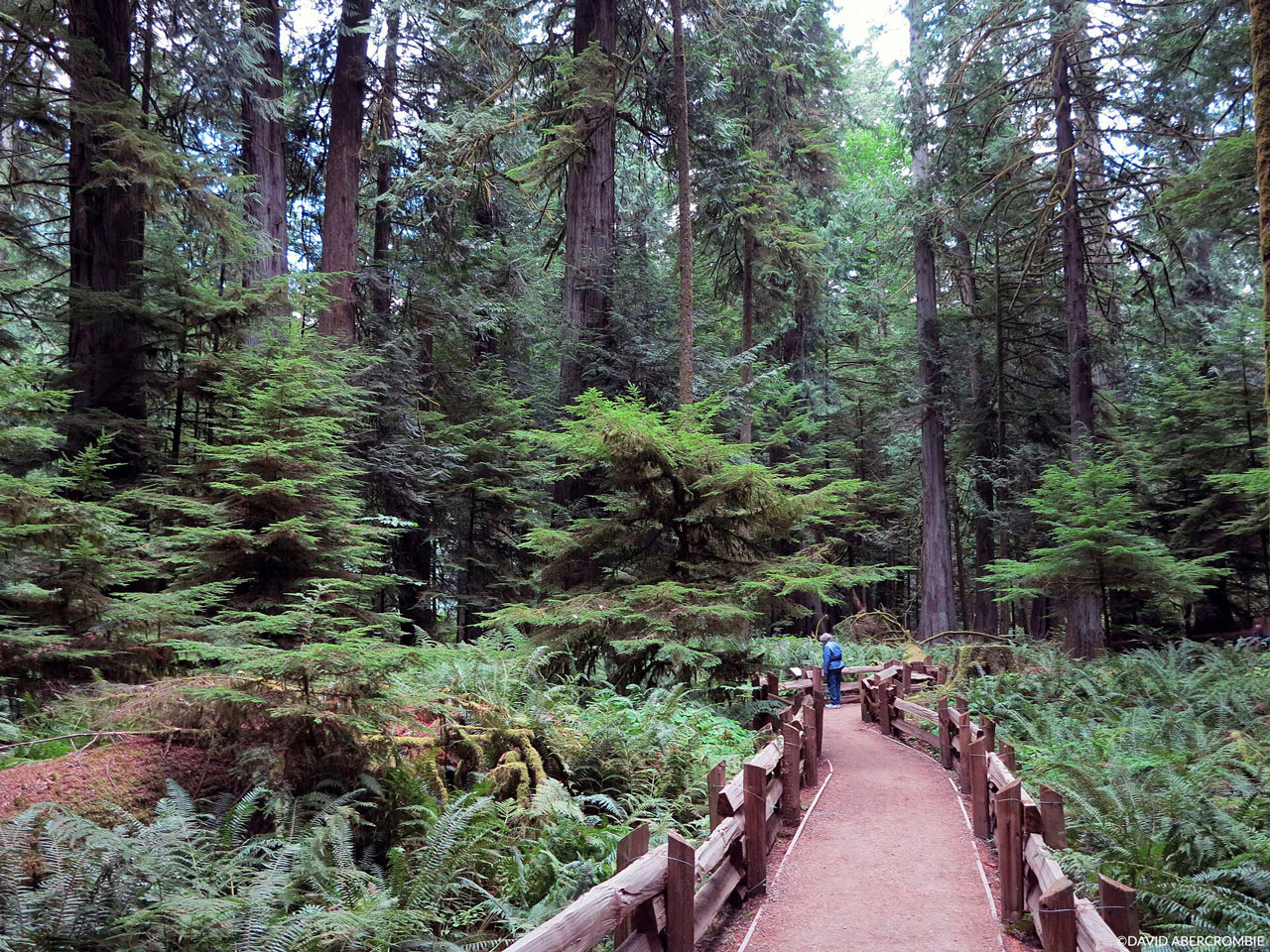 Credit: David AbercrombieWestern Redcedar is a shade-tolerant species, meaning it can grow and survive beneath a closed forest canopy. Seedlings often establish in the shade of larger trees and may remain suppressed for decades before reaching the canopy. This ability allows cedar to persist in old-growth forests over long periods.
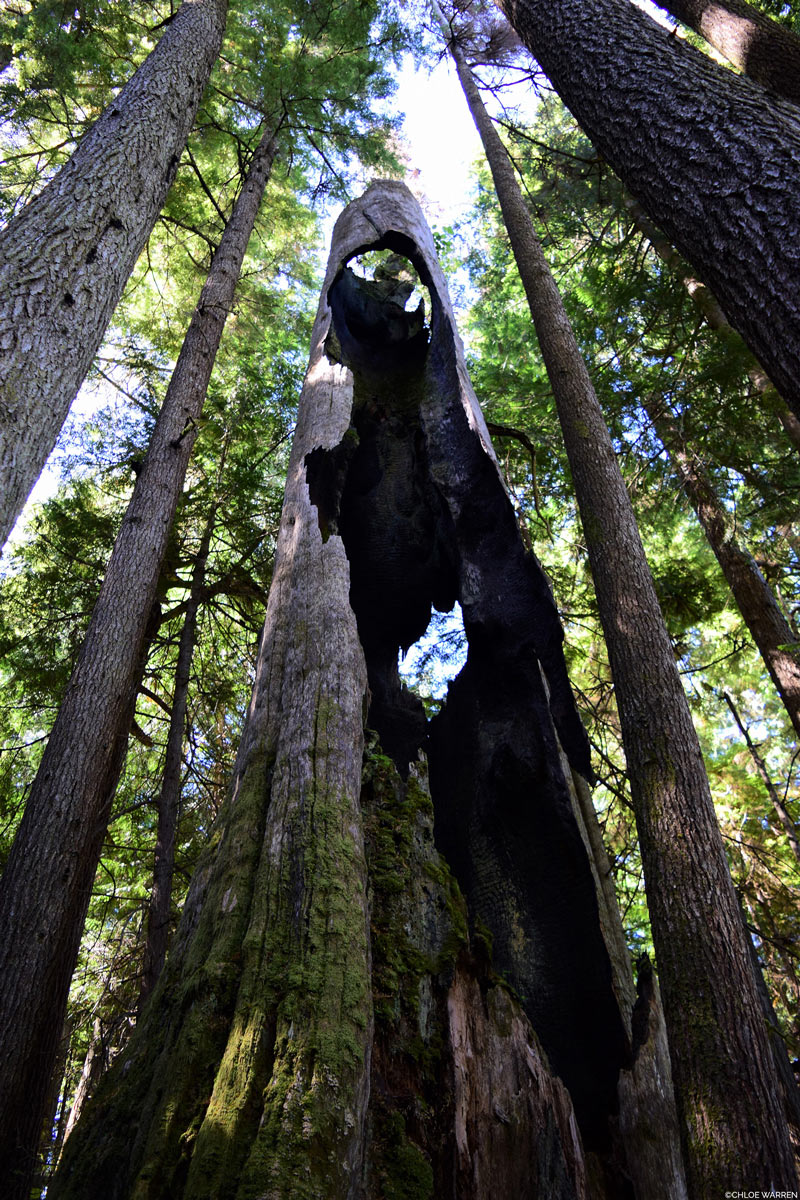
The species grows slowly but steadily and can live for more than 1,000 years. Many old-growth redcedars show evidence of natural damage, such as broken tops or hollow trunks, yet continue growing for centuries.
Range
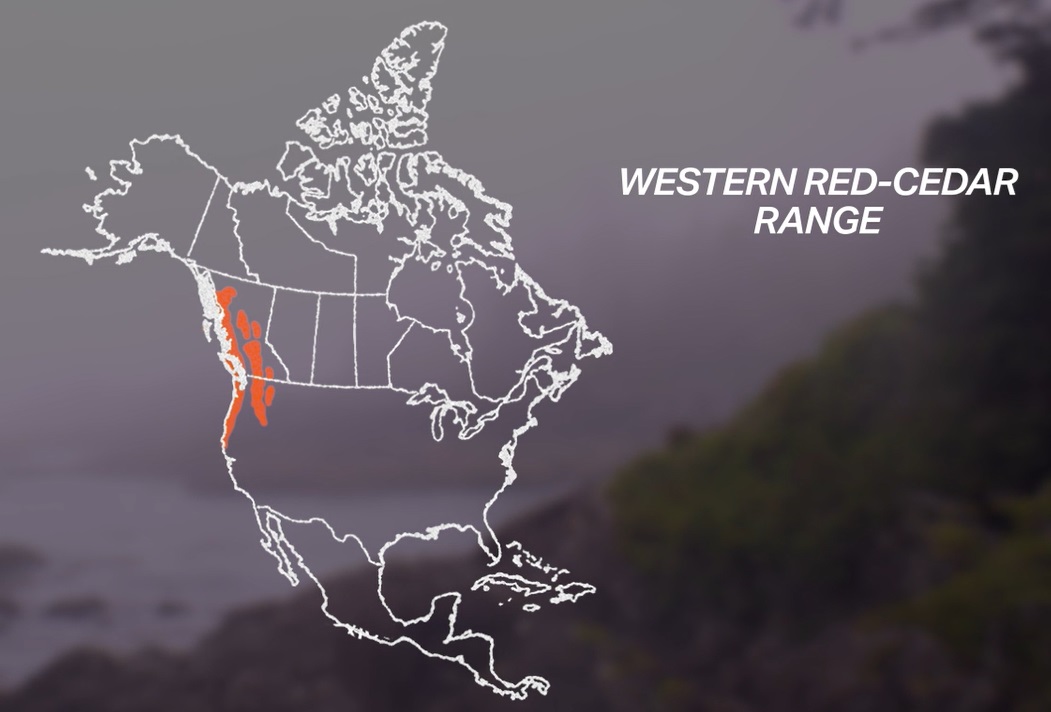
In Canada, Western Redcedar occurs primarily in coastal British Columbia, from the southern mainland and Vancouver Island north to southeast Alaska. It also extends inland through river valleys and mountain passes into parts of southeastern British Columbia and southwestern Alberta.
Its range continues south through Washington, Oregon and northern California. In interior regions, redcedar is usually restricted to moist valleys and sheltered mountain slopes where conditions resemble those of coastal forests.
The distribution of Western Redcedar closely reflects patterns of rainfall and humidity. Areas with dry summers or frequent droughts generally lack suitable conditions for long-term cedar growth.
Because of its strong association with temperate rainforests, the presence of redcedar is often used as an indicator of high-quality forest habitat.
Feeding
Like all green plants, Western Redcedar produces its own food through photosynthesis, using sunlight, water, and carbon dioxide to create sugars that fuel growth and reproduction. Its flattened, scale-like leaves are well adapted to capturing diffuse light in shaded forests, allowing efficient photosynthesis even under a dense canopy. This is especially important in old-growth environments where light is limited. The leaves also reduce water loss while maintaining year-round photosynthetic activity, even in cool conditions.
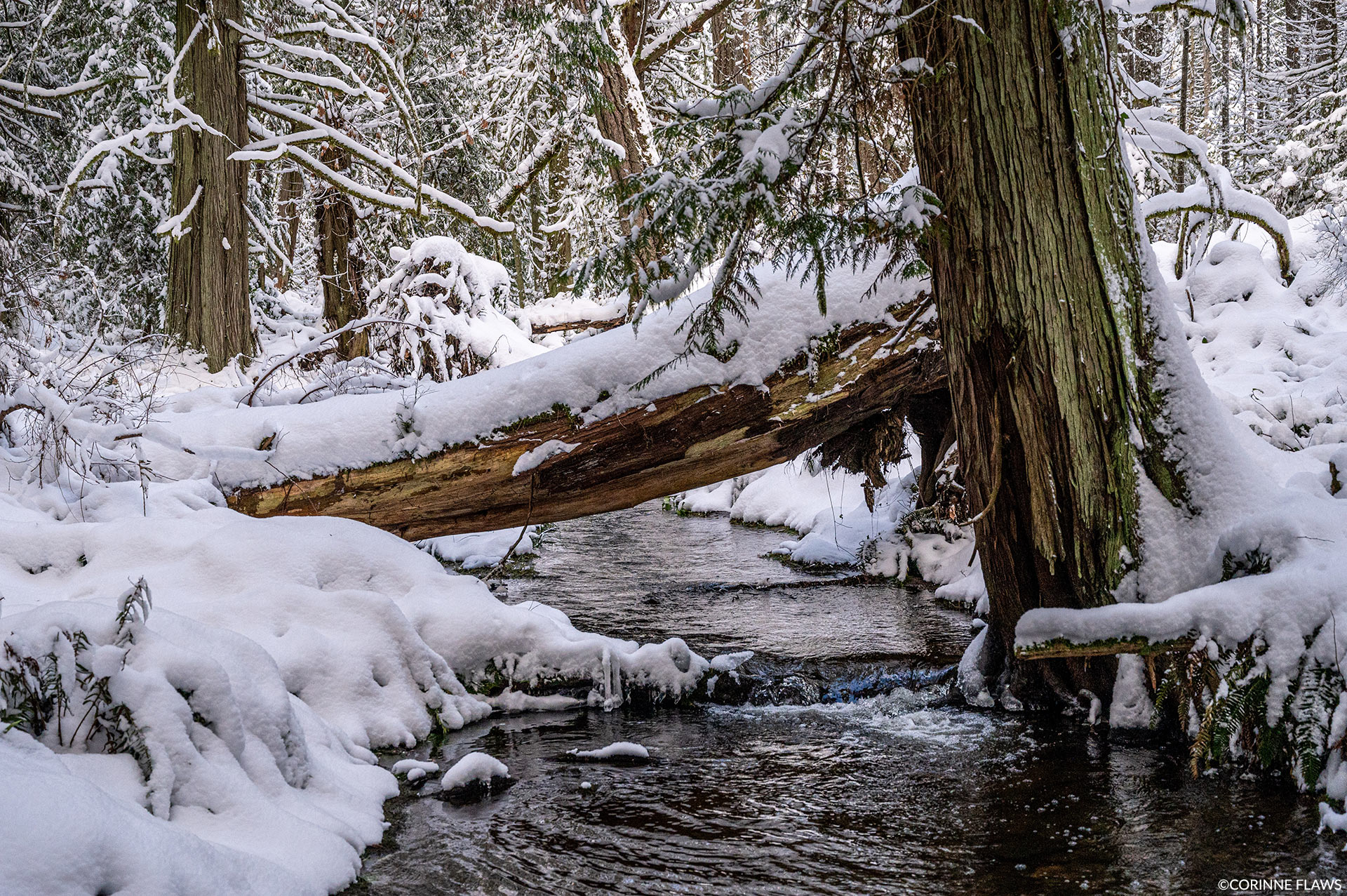
The tree absorbs water and dissolved nutrients through a widespread but relatively shallow root system. In the moist environments where redcedar grows, these roots extend broadly through the soil, allowing efficient uptake of oxygen and minerals in saturated or poorly drained conditions. This adaptation gives Western Redcedar a competitive advantage in nutrient-poor and waterlogged soils.
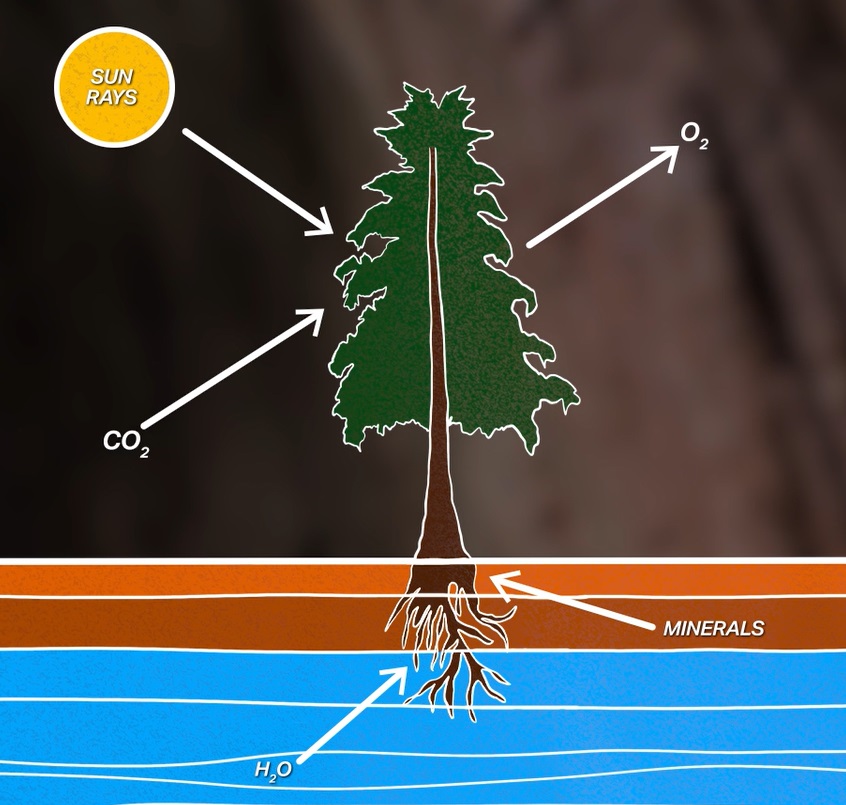
Fallen needles, bark, and woody debris contribute to the forest floor, where they decompose slowly and add organic matter. This improves soil structure, moisture retention, and nutrient availability for both the redcedar and surrounding plants, supporting diverse plant and microbial communities over time.
Western Redcedar forms important relationships with mycorrhizal fungi, which attach to its roots and extend into the soil, increasing the tree’s ability to absorb water and nutrients. In return, the fungi receive sugars produced through photosynthesis. These underground networks can also link neighbouring plants, contributing to overall forest resilience.
 Credit: Corinne Flaws
Growth rates vary with site conditions. In moist, nutrient-rich valley soils, redcedar may grow relatively quickly, while in upland or nutrient-poor areas growth is slower but persistent. This ability to survive under low light and limited nutrients allows Western Redcedar to remain a long-lived and dominant species in many forest ecosystems.
Breeding
 Credit: Gabe schpWestern Redcedar, although it can also regenerate vegetatively from fallen branches or damaged trunks. Trees usually begin producing cones at 20 to 30 years of age.
Pollination occurs in spring when male cones release pollen that is carried by wind to female cones. Fertilized cones mature by late summer and release seeds in autumn.
 Credit: Chloe Warren
Each cone produces several small, winged seeds that are dispersed by wind. Most seeds fall close to the parent tree, but some travel farther during storms. Successful germination requires moist soil, decaying wood, or moss-covered surfaces.
Seedlings grow slowly reproduces primarily through seeds and are highly sensitive to drying. As a result, successful regeneration depends on stable moisture conditions and limited disturbance. In old-growth forests, redcedar often regenerates on rotting logs, known as “nurse logs,” which provide moisture and protection.
Conservation
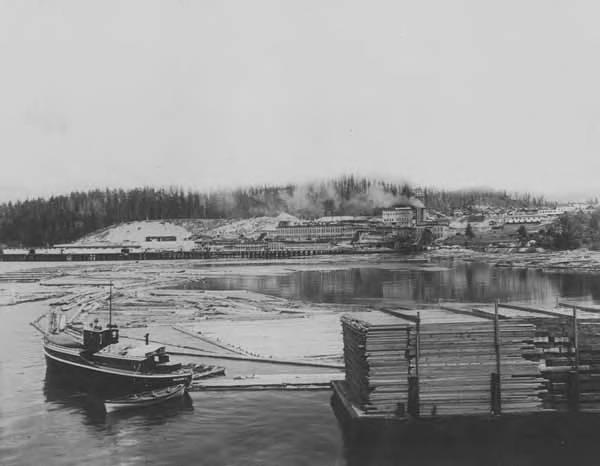 Western Redcedar is not considered endangered in Canada, but it faces growing pressures from logging, climate change and habitat fragmentation. Large areas of old-growth cedar forest have been harvested over the past century, reducing the availability of ancient trees.
Modern forestry practices often favour faster-growing species, leading to reduced redcedar regeneration. In some areas, high deer and elk populations browse young seedlings, further limiting recovery.
Climate change presents a major long-term threat. Warmer temperatures and increased summer drought may reduce suitable habitat, especially in southern parts of the range. Drier conditions also increase vulnerability to pests and disease.
Conservation efforts focus on protecting remaining old-growth forests, promoting sustainable forestry, maintaining genetic diversity, and restoring degraded habitats. Many protected areas now prioritize cedar conservation.
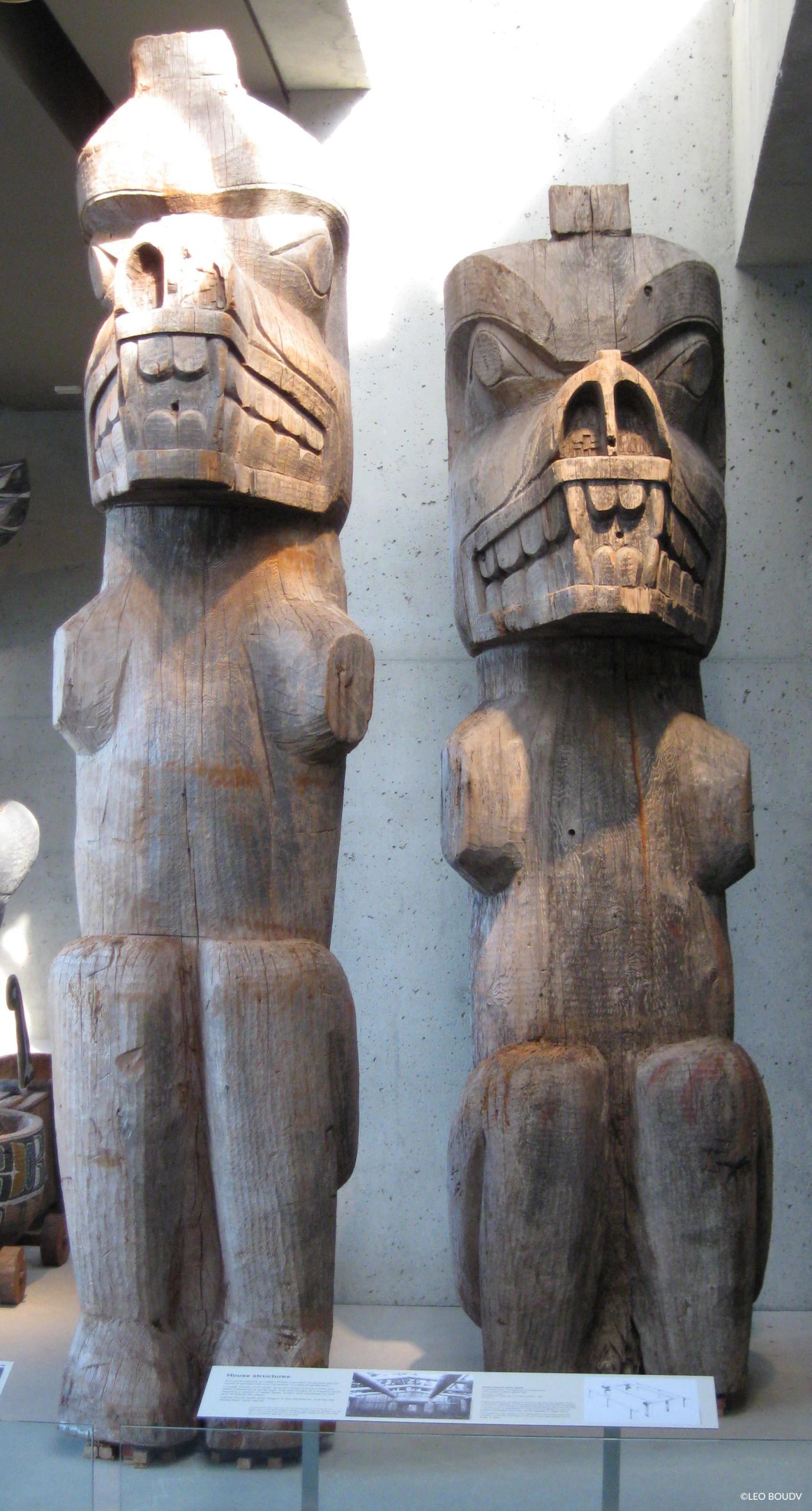
For many Indigenous Peoples of the Pacific Northwest Coast, Western Redcedar is known as the “Tree of Life.” For thousands of years, it has provided essential materials for housing, transportation, clothing, tools, and ceremonial objects, forming a cornerstone of daily life and cultural identity. Its abundance, workability and durability made it one of the most important natural resources in coastal environments.
Cedar bark was harvested in long strips and processed into soft, flexible fibres used to weave baskets, mats, rope, fishing gear, and clothing, including waterproof rain capes and hats suited to the region’s wet climate. The inner bark could also be used for bedding or insulation. Trunks were carved into large ocean-going canoes, as well as totem poles, shelter posts, and ceremonial objects that conveyed stories, status, and lineage.
Wood from Western Redcedar was split into planks to construct longhouses, which formed the centre of many coastal communities and were well suited to wet coastal conditions. Roots were used for cordage and binding, and even smaller branches had practical uses. Nearly every part of the tree was used with care and respect, reflecting a strong tradition of sustainable harvesting.
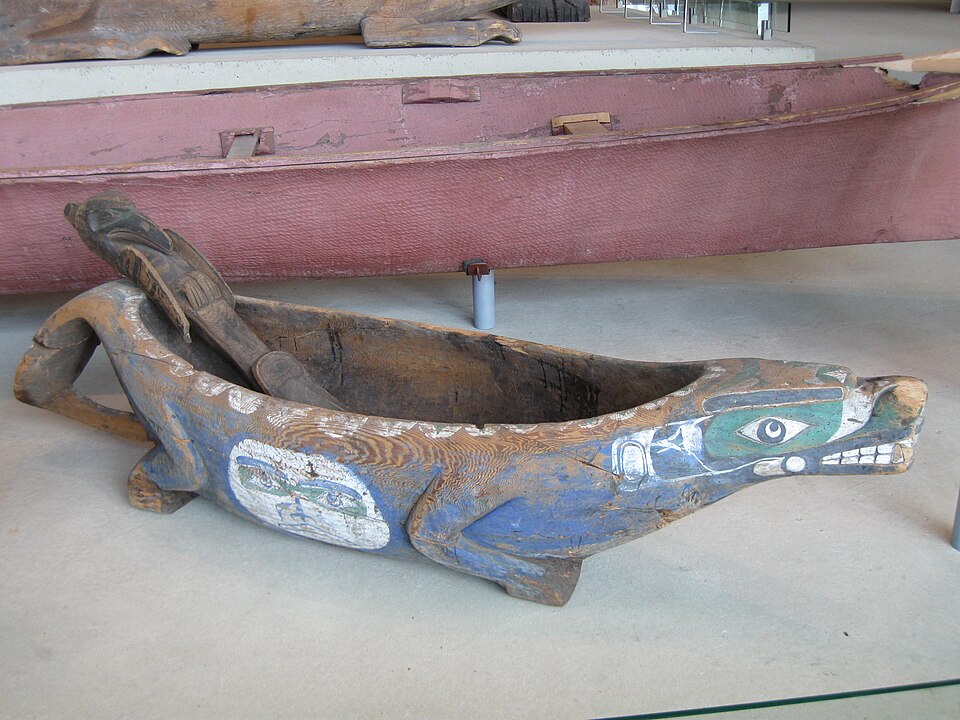 Credit: Leo Boudv
Western Redcedar also holds deep spiritual significance. It appears in origin stories, ceremonies, and teachings that emphasize balance, respect, and stewardship. In many cultures, cedar is associated with protection and purification, and its materials are used in cleansing rituals. The tree is often regarded as a living being, reinforcing the importance of taking only what is needed and giving thanks.
European settlers quickly recognized the value of Western Redcedar. Its straight grain, light weight, and resistance to decay made it highly desirable for construction, fencing, shingles, and shipbuilding. By the late 19th and early 20th centuries, it became a foundation of British Columbia’s forest industry and remains economically important today.
The enduring cultural and economic importance of Western Redcedar highlights its role as both a vital natural resource and a symbol of long-standing relationships between people and forest ecosystems.
Western Redcedar remains one of Canada’s most economically important tree species. Its wood is widely used for siding, decking, fencing, shingles, outdoor furniture, and a variety of construction applications. It is especially valued for its durability, light weight, straight grain, and natural resistance to insects and decay, which allow it to perform well in outdoor environments without chemical treatment. These qualities have made Western Redcedar a key component of the forest products industry in British Columbia and the Pacific Northwest.
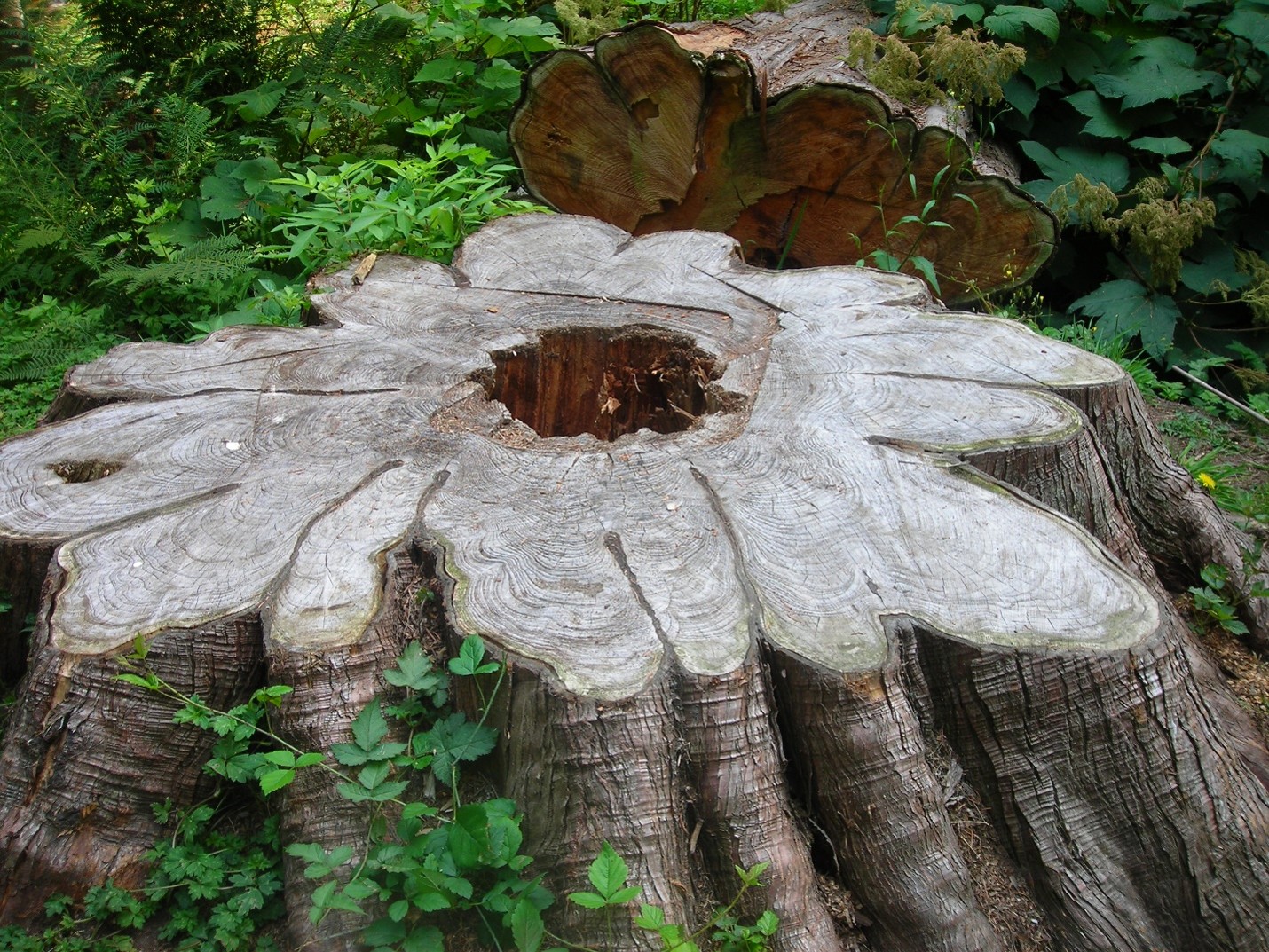
Beyond timber production, cedar forests support a wide range of economic activities, including tourism, recreation, and cultural education. Old-growth cedar stands, with their towering trees and rich biodiversity, attract visitors from around the world. Parks and protected areas featuring Western Redcedar provide opportunities for hiking, wildlife viewing, and learning about coastal rainforest ecosystems. These landscapes also play an important role in cultural tourism, where visitors can learn about Indigenous traditions and the historical significance of cedar.
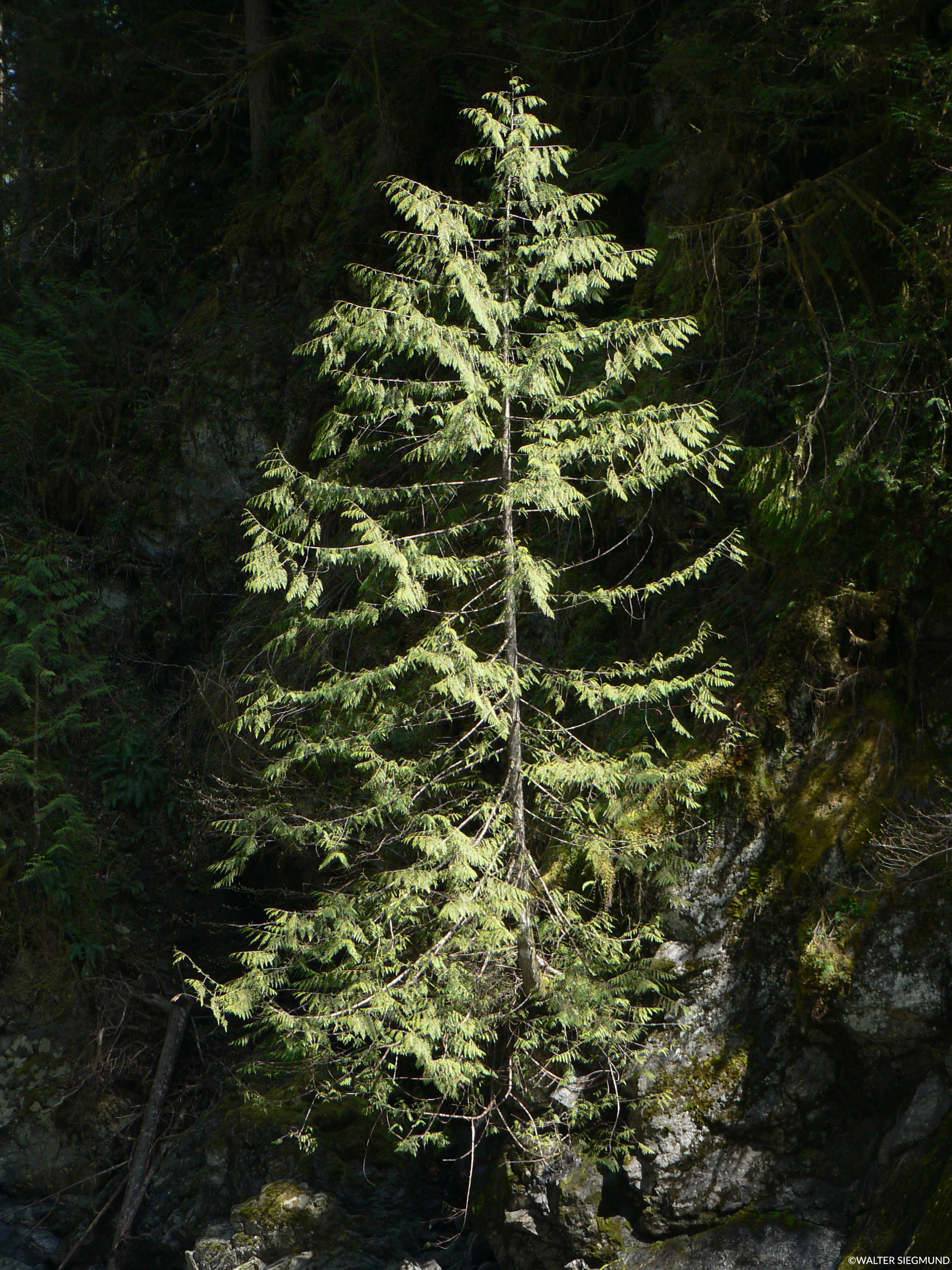 Credit: Walter Siegmund
At the same time, Western Redcedar is at the centre of ongoing discussions about land use, conservation, and resource management. Logging of old-growth forests, habitat protection, and the preservation of culturally significant sites can sometimes come into conflict with economic development goals. Balancing these interests requires careful planning and recognition of both ecological and cultural values.
Partnerships between Indigenous communities, governments, and forestry companies are increasingly important in managing cedar resources responsibly. Co-management approaches, sustainable harvesting practices, and respect for Indigenous rights and knowledge are helping to shape more balanced and long-term strategies. Through these efforts, Western Redcedar continues to play a vital role in both Canada’s economy and its cultural and environmental heritage.
What we can do
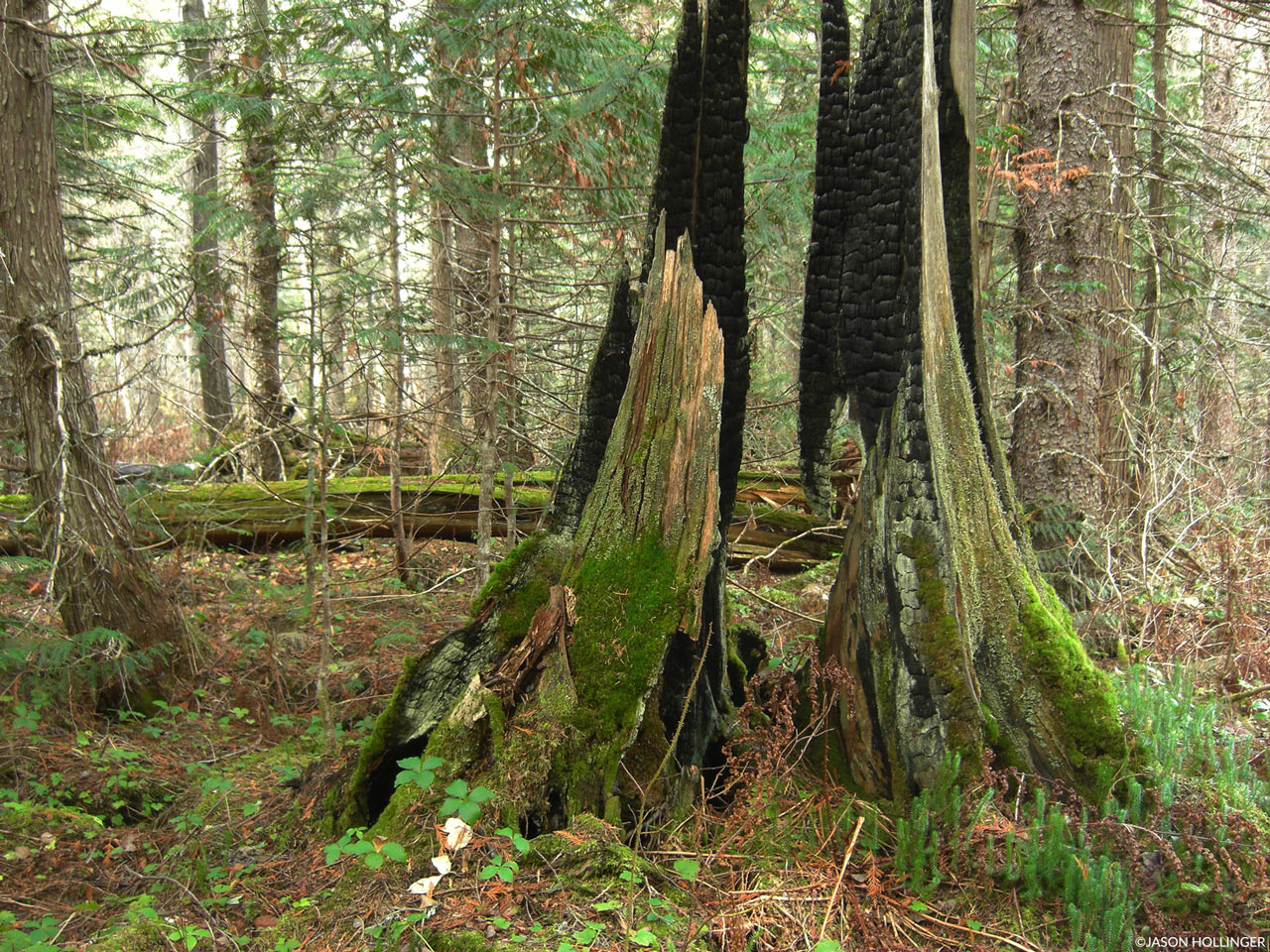 Credit: Jason Hollinger
You can help protect Western Redcedar and coastal forests by:
- Supporting old-growth forest protection
- Choosing sustainably sourced wood products
- Respecting culturally important sites
- Reducing waste and overconsumption
- Learning about Indigenous stewardship practices
- Supporting conservation organizations
Protecting redcedar forests helps preserve biodiversity, cultural heritage, and climate stability.
Resources
- COSEWIC (Committee on the Status of Endangered Wildlife in Canada). (2010). Assessment and Status Report on the Western Redcedar (Thuja plicata) in Canada. Government of Canada.
- Environment and Climate Change Canada. (2023). Western Redcedar Species Profile. Government of Canada.
- Natural Resources Canada. (2022). Western Redcedar (Thuja plicata) – Silvics and Ecology. Canadian Forest Service.
- British Columbia Ministry of Forests. (2021). Tree Book: Western Redcedar (Thuja plicata). Province of British Columbia.
- Pojar, J., & MacKinnon, A. (Eds.). (2013). Plants of the Pacific Northwest Coast. Lone Pine Publishing.
- Klinka, K., Qian, H., Pojar, J., & Meidinger, D. (2009). Ecological and Silvical Characteristics of Western Redcedar (Thuja plicata). Forest Ecology and Management, 258(4), 531–545.
- Franklin, J.F., & Dyrness, C.T. (1988). Natural Vegetation of Oregon and Washington. Oregon State University Press.
- Hebda, R.J., & Mathewes, R.W. (1984). Holocene history of cedar and implications for climate change. Canadian Journal of Botany, 62(3), 687–699.
- Turner, N.J. (2014). Ancient Pathways, Ancestral Knowledge: Ethnobotany and Ecological Wisdom of Indigenous Peoples of Northwestern North America. McGill-Queen’s University Press.
- Stewart, H. (1984). Cedar: Tree of Life to the Northwest Coast Indians. University of Washington Press.
- Deur, D., & Turner, N.J. (Eds.). (2005). Keeping It Living: Traditions of Plant Use and Cultivation on the Northwest Coast of North America. UBC Press.
- Parish, R., Coupe, R., & Lloyd, D. (1996). Plants of Southern Interior British Columbia. Lone Pine Publishing.
Text: Jody North, 2026