



 Sugar Maple (15 seconds)
 Description
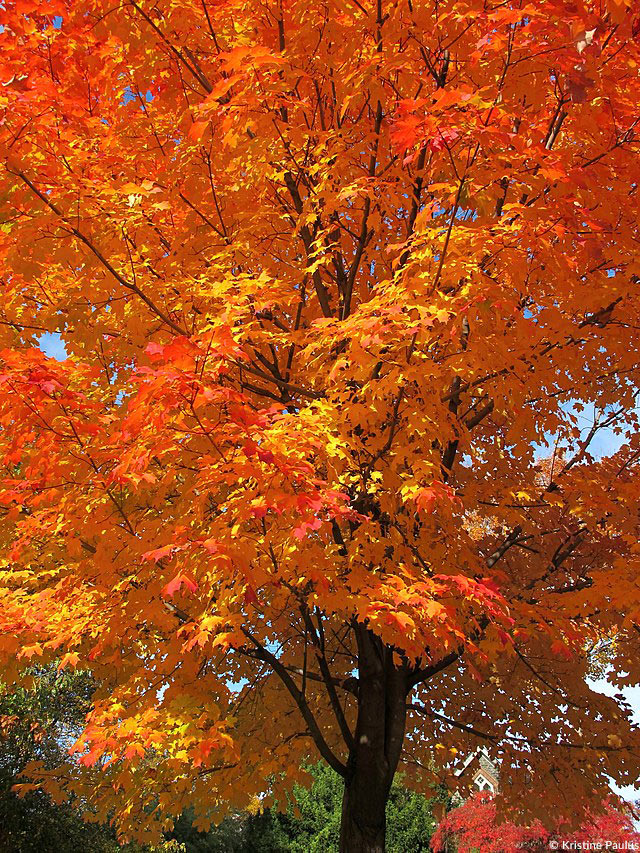 Credit: Kristine Paulus
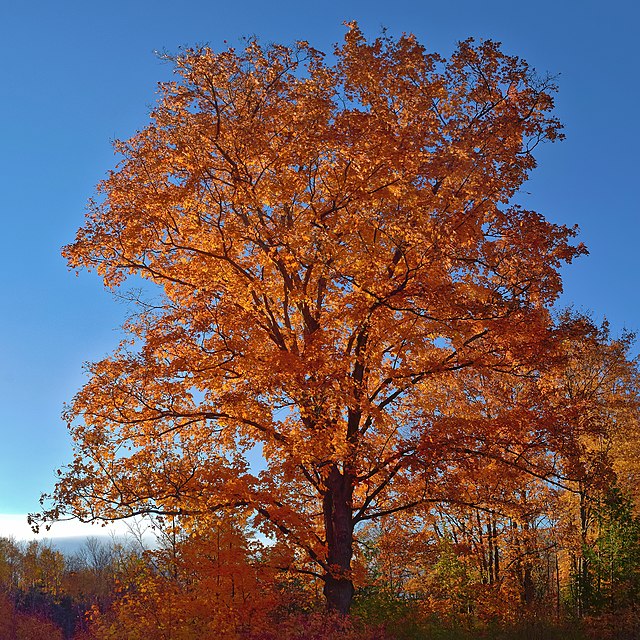
The Sugar Maple (Acer saccharum) is one of Canada’s most iconic and ecologically important deciduous trees. Known for its spectacular autumn foliage, valuable hardwood and sweet sap, this long-lived species is deeply embedded in Canadian ecology, economy and culture. A large tree, it can reach heights of 35 metres under ideal conditions, with exceptional specimens approaching 45 metres. The trunk can measure over a metre in diameter, and the species is capable of living for more than 200 years; some individuals, such as Ontario’s famous “Comfort Tree,” are believed to be over 500 years old.
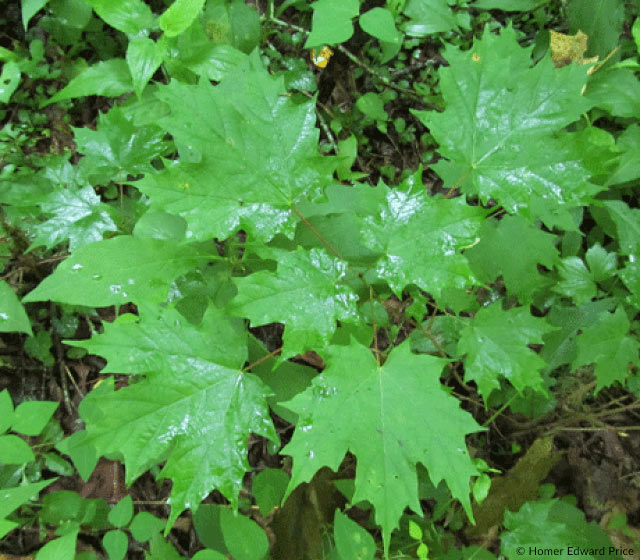 Credit: Homer Edward Price
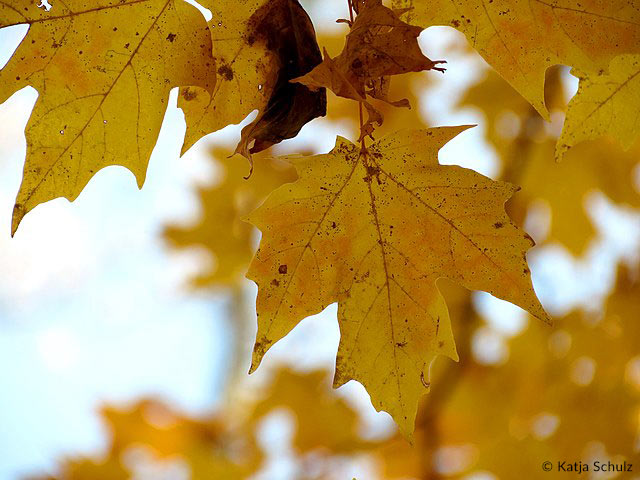
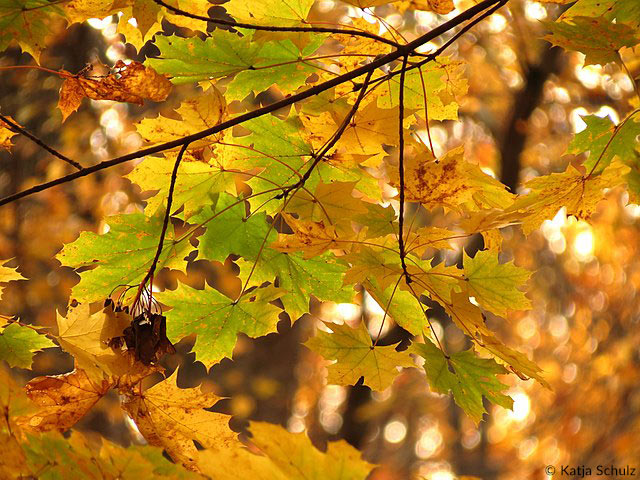
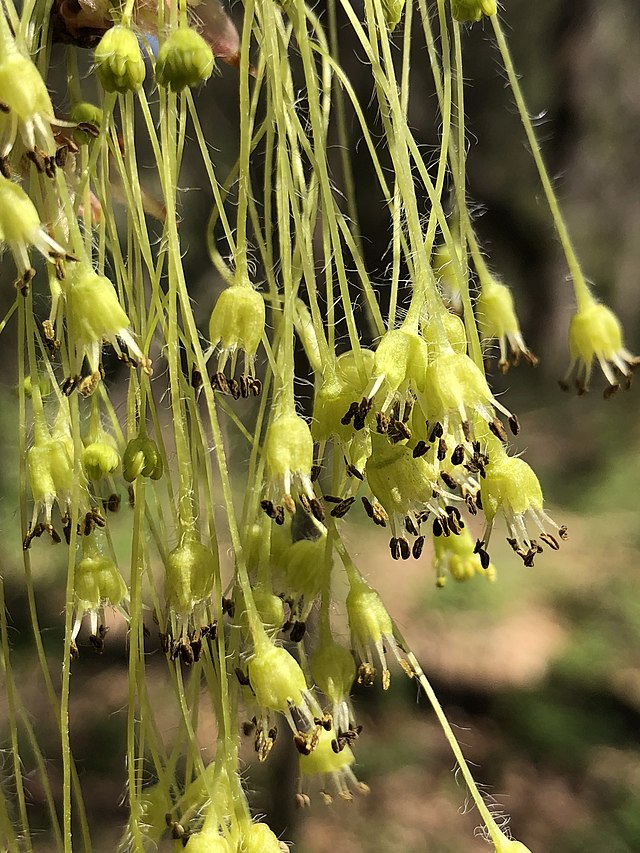
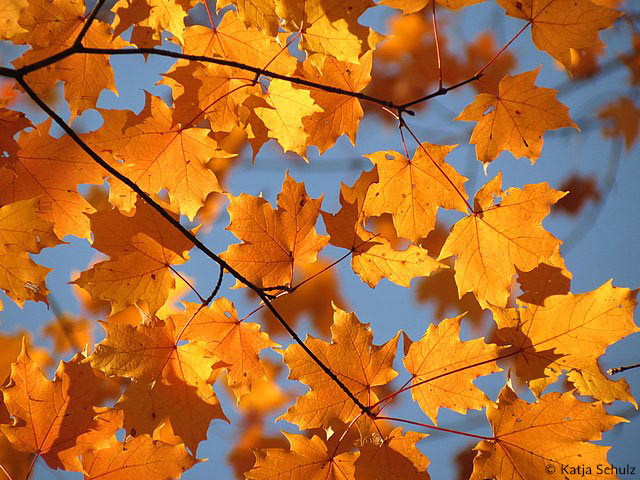
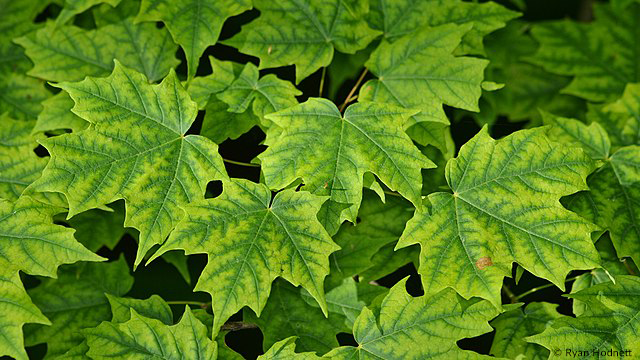
The Sugar Maple’s leaves measure between eight to 20 centimeters in length and are palmately lobed with five main lobes separated by smooth U-shaped valleys. The edges are generally smooth with wavy, irregular teeth – unlike the sharply serrated edges of red maple leaves. In spring, clusters of yellowish-green flowers emerge either just before or at the same time as the leaves.
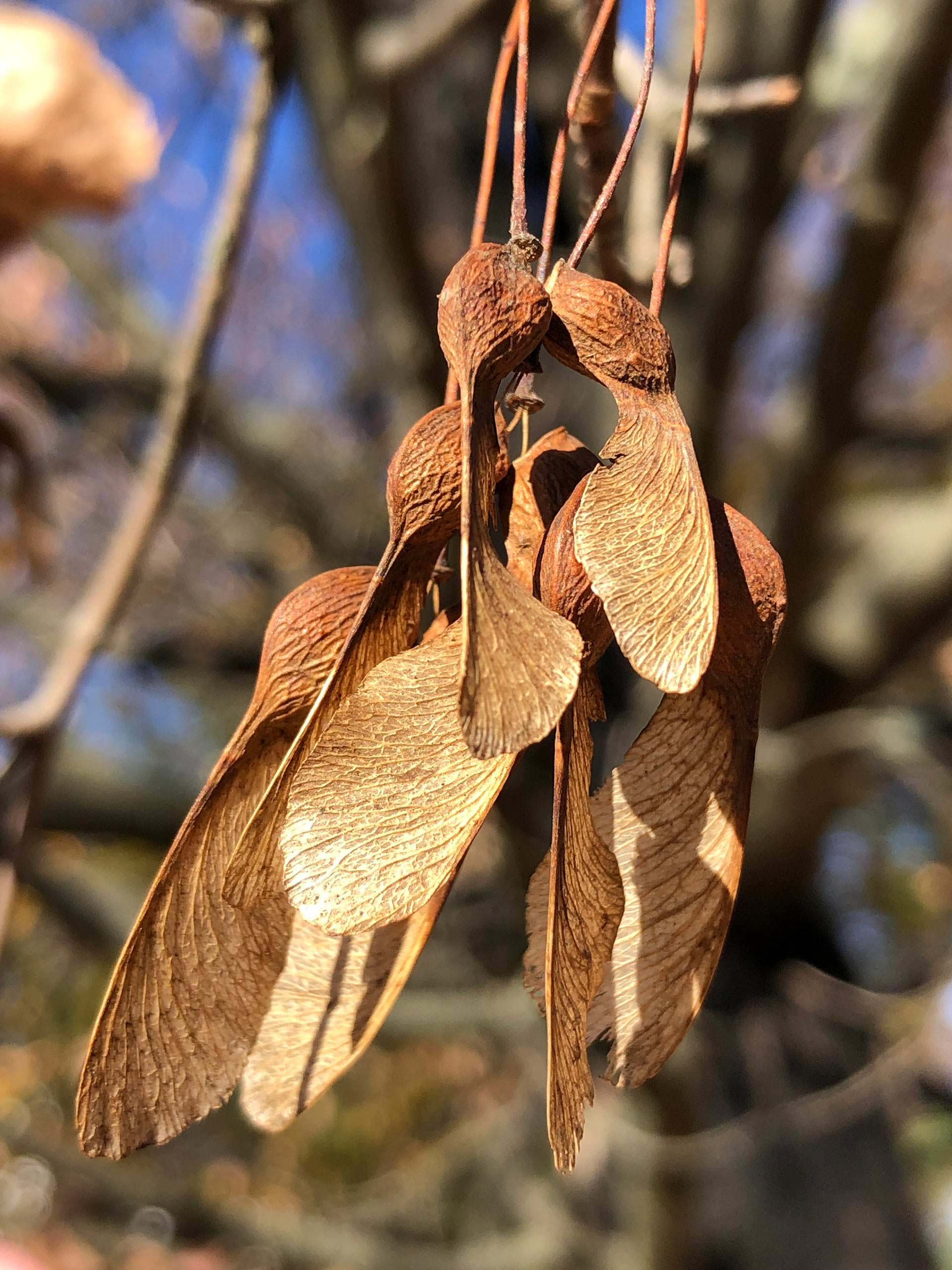
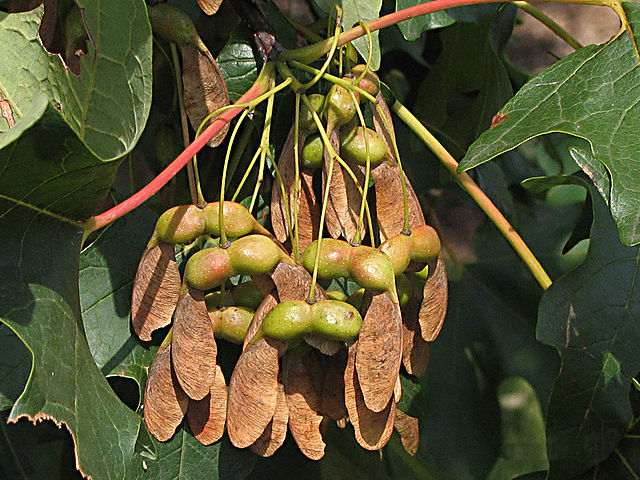
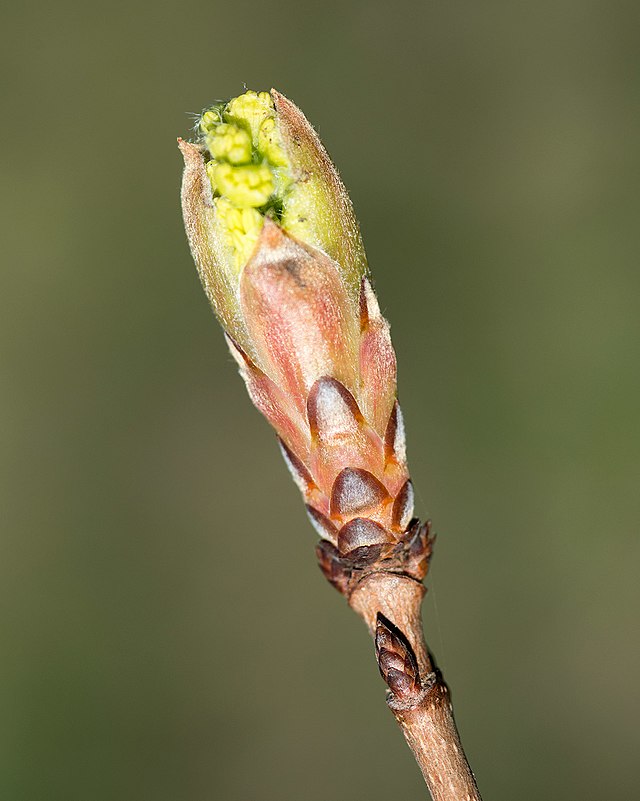
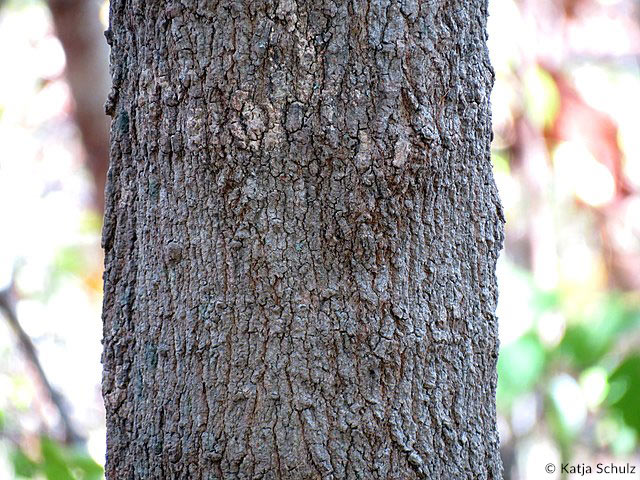
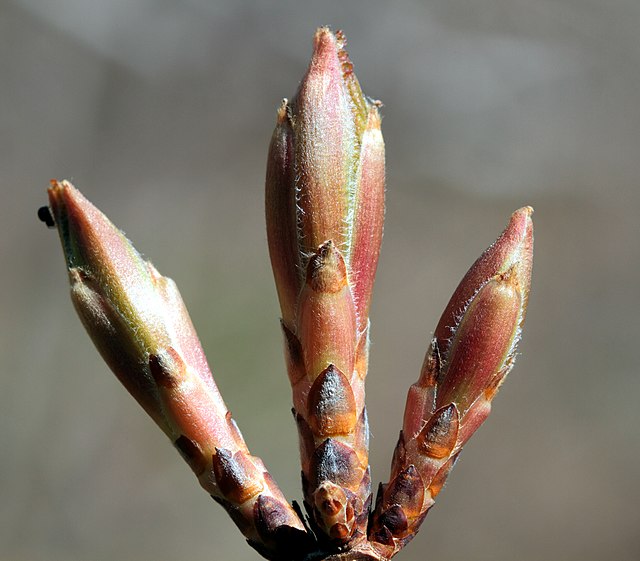
The buds are narrow, brown and cone-shaped, arranged oppositely along the twigs. The bark starts smooth and grey in young trees but becomes darker, furrowed and ridged with age. In late summer, the tree produces paired winged seeds, or samaras, 30 to 35 millimetres long, which spiral down when released. These “helicopters” are dispersed by wind, allowing the tree to colonize new sites.
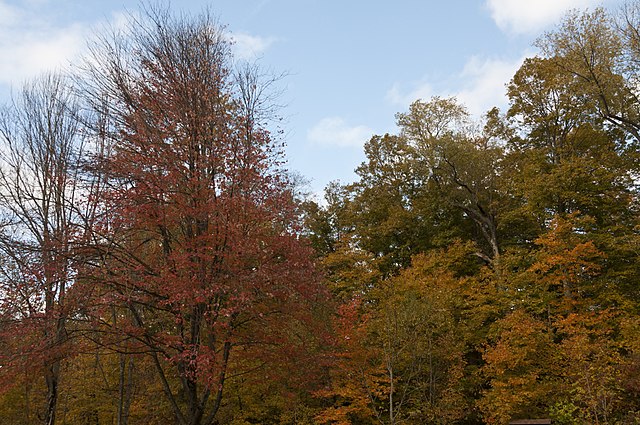
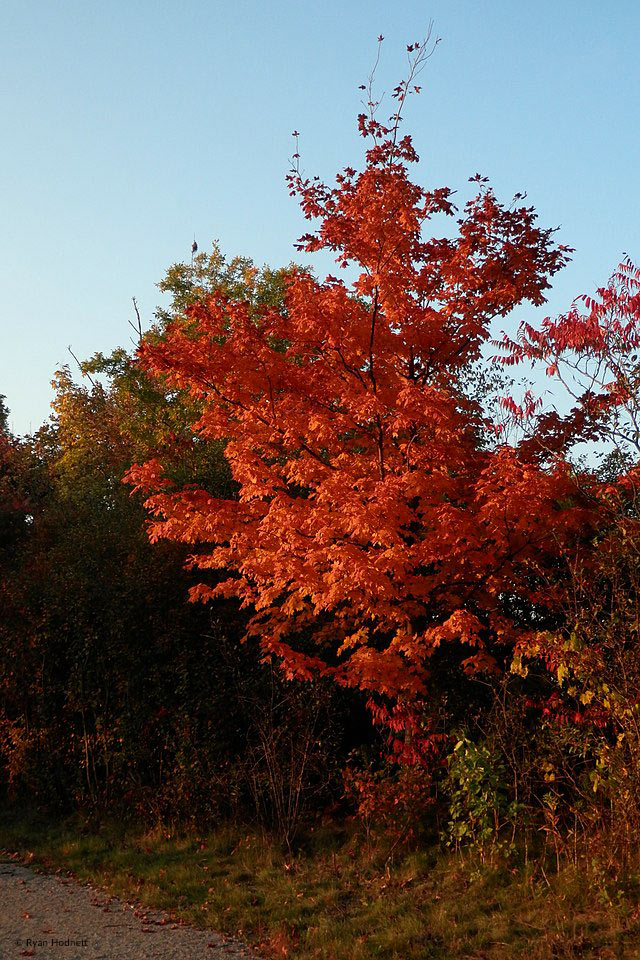
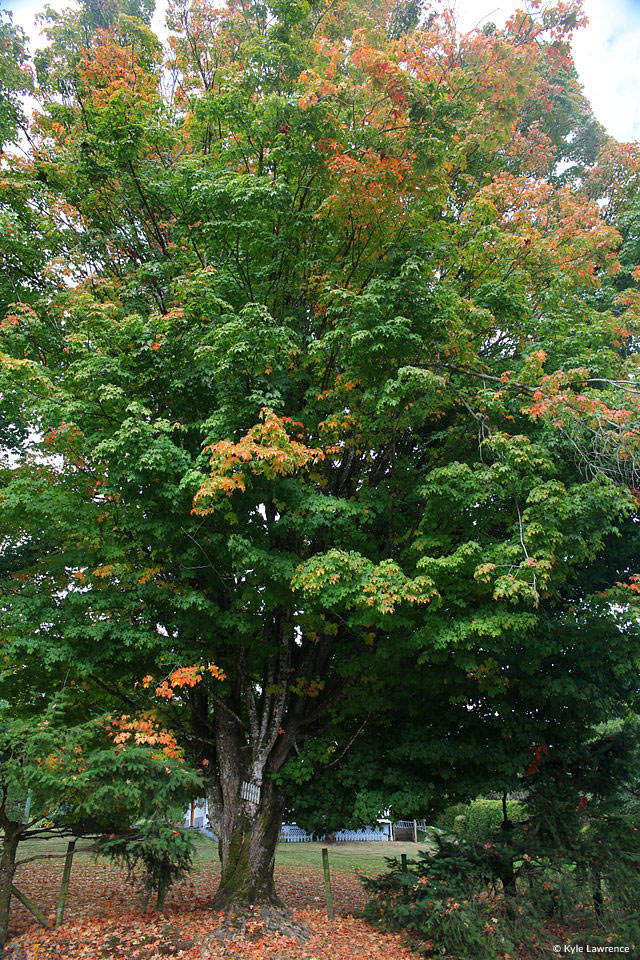
The Sugar Maple is celebrated for its fall colours – brilliant yellows, oranges and reds. Variations in temperature, sunlight and soil moisture influence the vibrancy and timing of this display.
Habitat and Habits
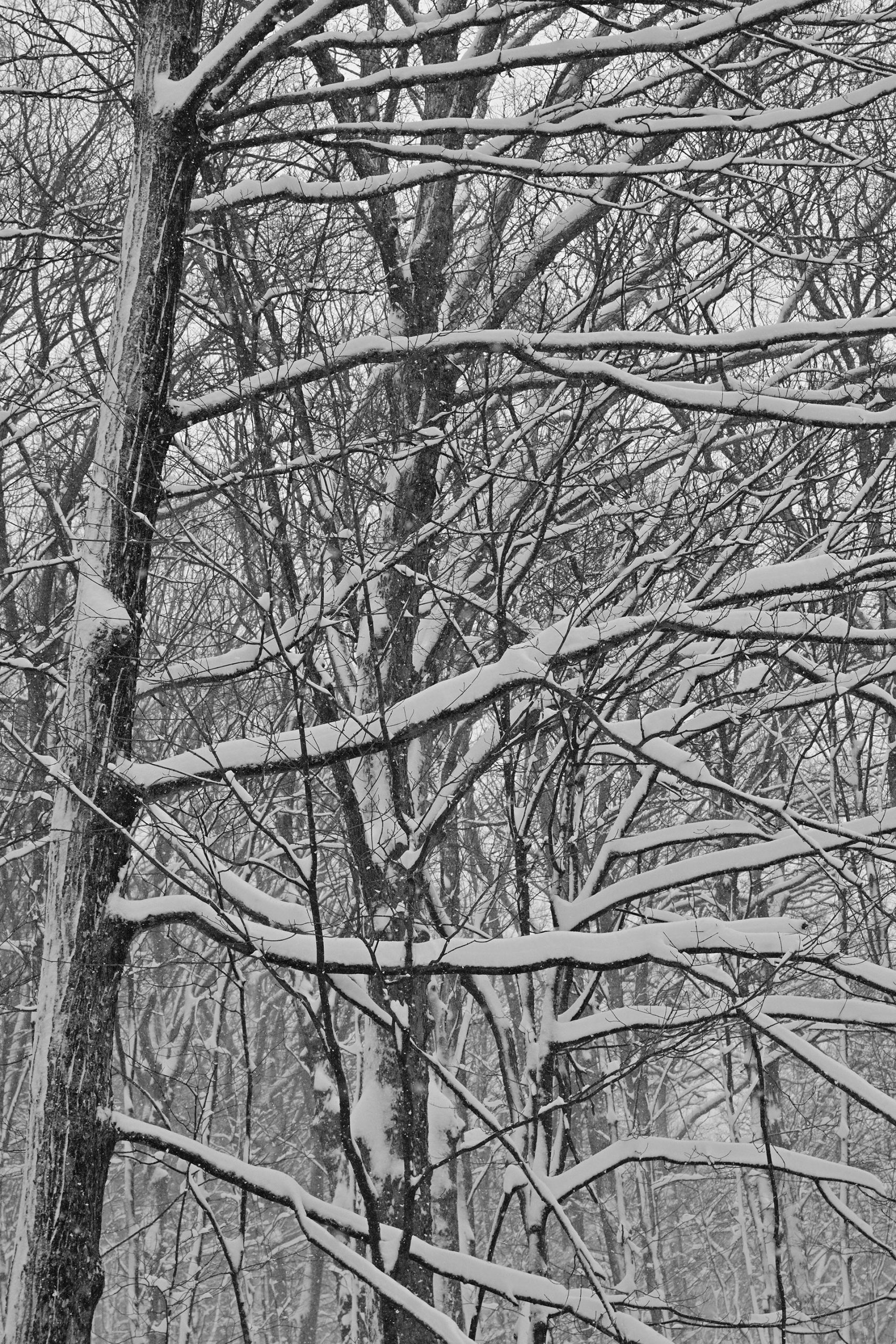 Credit: Getty
Sugar Maples thrive in cool, moist, well-drained soils rich in calcium and other nutrients. They are highly shade-tolerant, a trait that allows seedlings to persist for years in the shaded forest understory, growing slowly until a canopy gap allows increased sunlight. Once exposed to light, these saplings can grow rapidly, taking advantage of their established root systems.
The species is a dominant or co-dominant tree in many temperate deciduous and mixed forests, often growing alongside American beech, yellow birch, red oak and white ash. It is particularly abundant in the Great Lakes – St. Lawrence Forest Region and the Acadian Forest Region in eastern Canada.
Sugar Maples influence forest structure by creating dense canopies that cast deep shade, limiting the growth of light-demanding plants beneath them. They contribute significantly to nutrient cycling, as their leaves decompose into rich humus that replenishes the soil.
The tree is adapted to cold winters, requiring a period of dormancy triggered by sustained low temperatures. This dormancy is essential for normal growth, flowering and sugar accumulation in sap.
Range
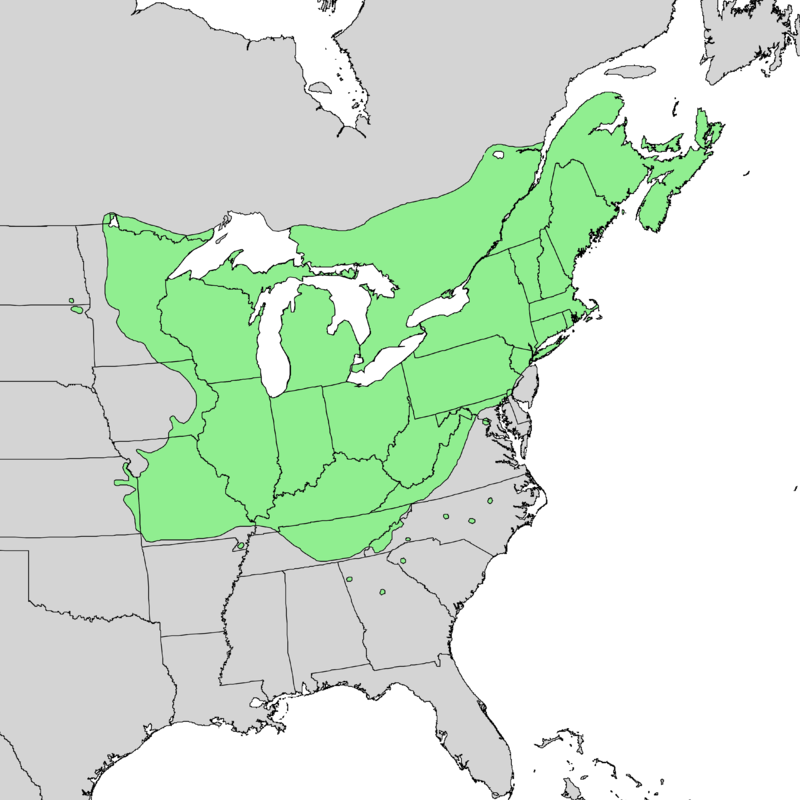 Credit: Elbert L. Little Jr | USGS
The Sugar Maple is native to eastern North America. In Canada, it thrives from southeastern Manitoba east through Ontario and Quebec into the Maritime provinces and in parts of Newfoundland. Its range also extends south through the Appalachian Mountains and into the Ohio Valley and northern U.S. states.
Climate change is influencing this range: models suggest a gradual northward shift in suitable habitat, with potential declines in the southernmost parts of its range due to increased drought stress and pest pressure.
Feeding
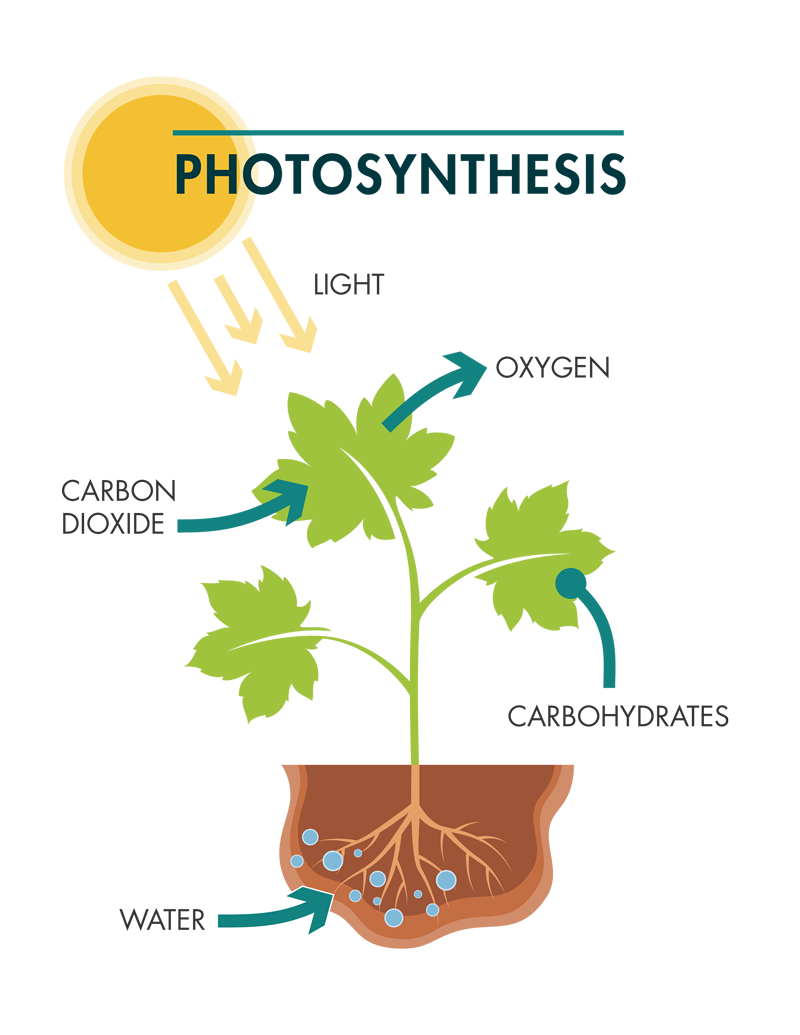
Like all green plants, Sugar Maples produce their own food through photosynthesis. Chlorophyll in the leaves absorbs light energy, which is used to convert carbon dioxide from the air and water from the soil into glucose and other carbohydrates. These serve as the tree’s energy source for growth, reproduction and maintenance.
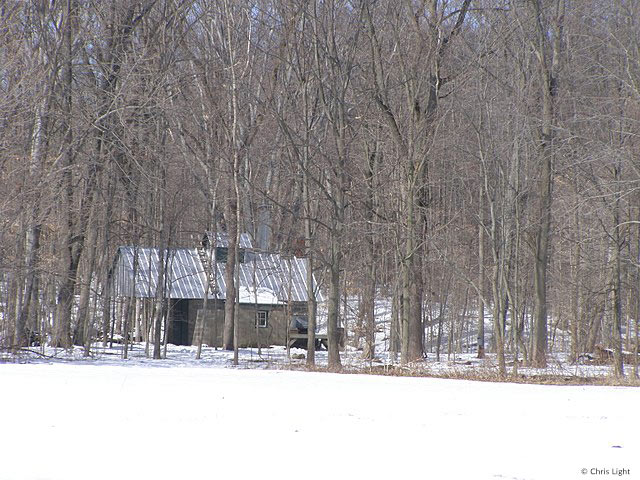
During the growing season, sugars are stored in ray cells within the wood. In late winter and early spring, these stored sugars are mobilized, and changes in temperature – freezing nights and thawing days – create pressure differences in the tree’s sapwood that cause sap to flow. This sap is the basis of the maple syrup industry.
In autumn, photosynthesis declines as chlorophyll breaks down. Nutrients are withdrawn from the leaves and stored in the roots and trunk, while carotenoid and anthocyanin pigments produce the tree’s striking fall colours.
Breeding
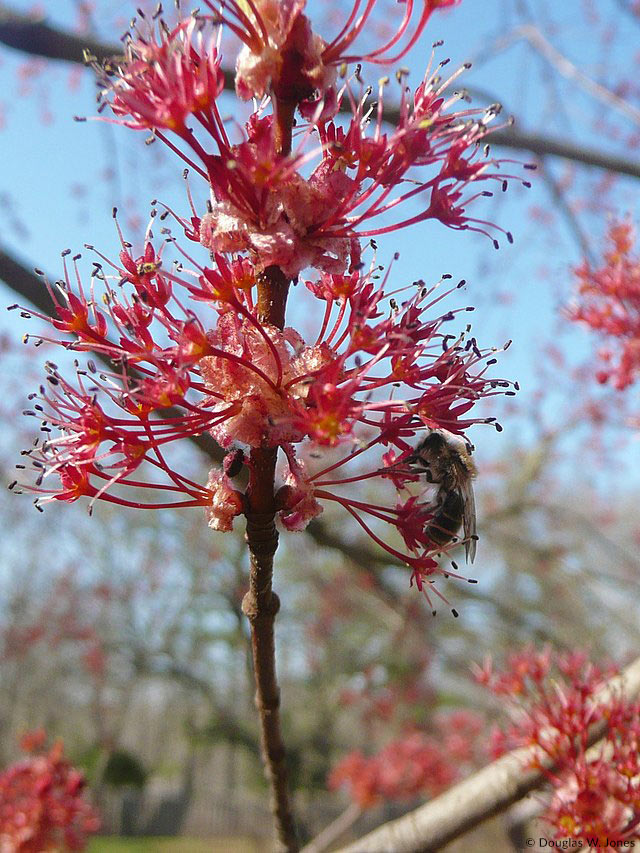 Credit: Douglas W. Jones
The Sugar Maple is monoecious, meaning each flower cluster may contain both staminate (male) and pistillate (female) flowers. These flowers are wind-pollinated, although insects may occasionally contribute to pollination. Flowering typically begins from 20 to 30 years of age and can continue for up to 200 years.
Seed production occurs annually, but large “mast” crops happen every five to seven years. Samaras are dispersed in late summer or early autumn and typically germinate the following spring. Germination requires moist, well-drained soil and is most successful in small canopy gaps where light levels are higher.
Seedlings grow slowly in shaded conditions but can persist for decades in the understory until a gap allows rapid growth. This ability gives Sugar Maple a competitive advantage over less shade-tolerant species.
Conservation

The Sugar Maple holds profound cultural importance in Canada. The maple leaf, stylized from Sugar Maple foliage, has been a national emblem since the 1800s and appears on the Canadian flag, coins and many provincial crests.
Indigenous peoples, including the Anishinaabe, Mi’kmaq and Haudenosaunee, tapped Sugar Maples for sap long before European arrival, referring to the sugaring season as the “maple moon” or “sugar month.” They collected sap using birchbark containers and concentrated it into syrup or sugar by heating with hot stones or over fires. Maple sugar was an important trade item and a staple food.
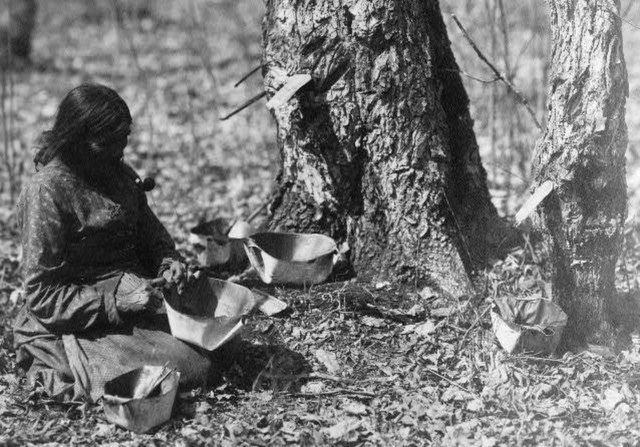
French settlers adopted these methods in the 1600s, and maple sugaring became an enduring seasonal tradition across eastern Canada. Today, the maple syrup industry remains a cornerstone of rural economies in Quebec, Ontario and New Brunswick, with Canada producing over 70 per cent of the world’s supply.
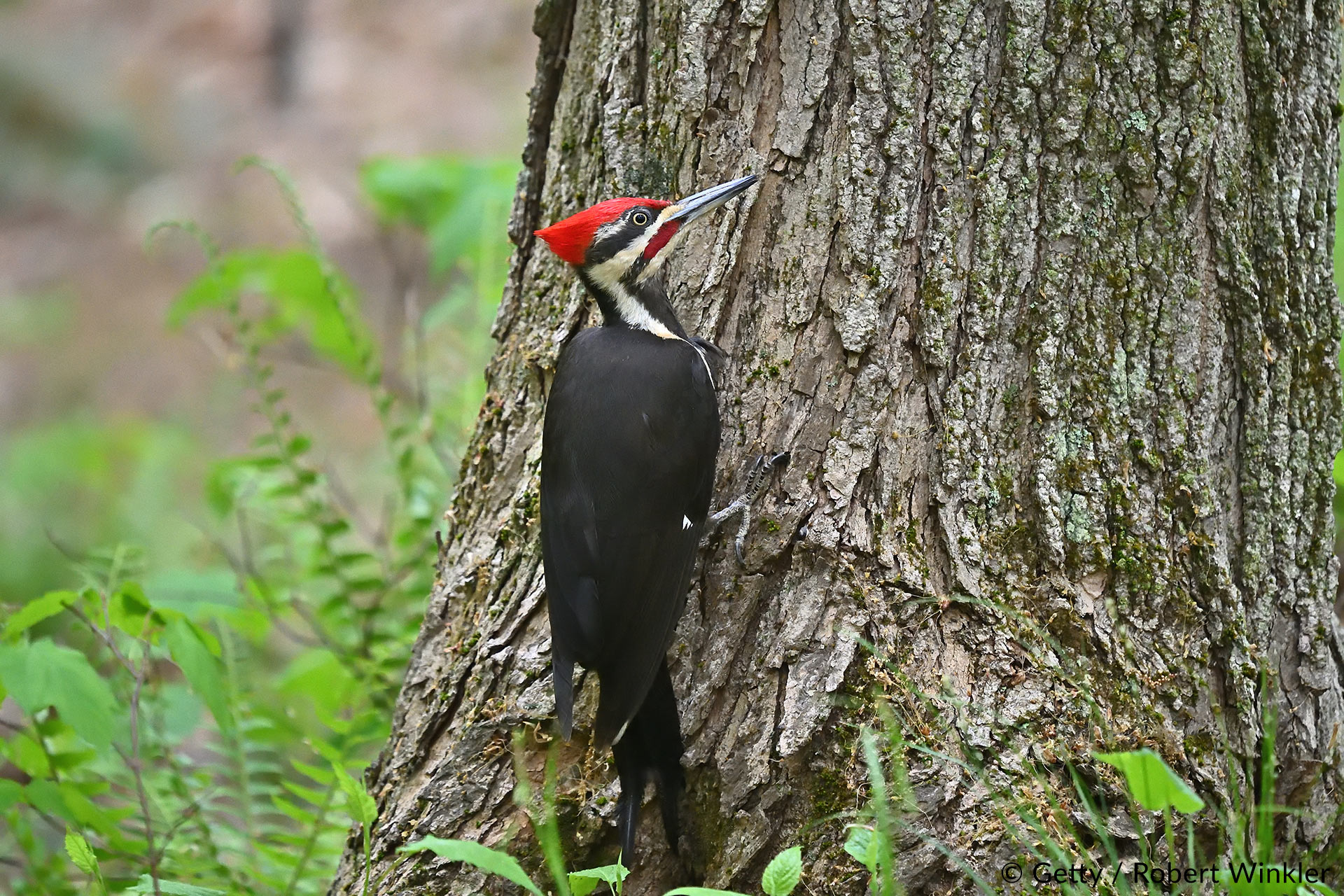
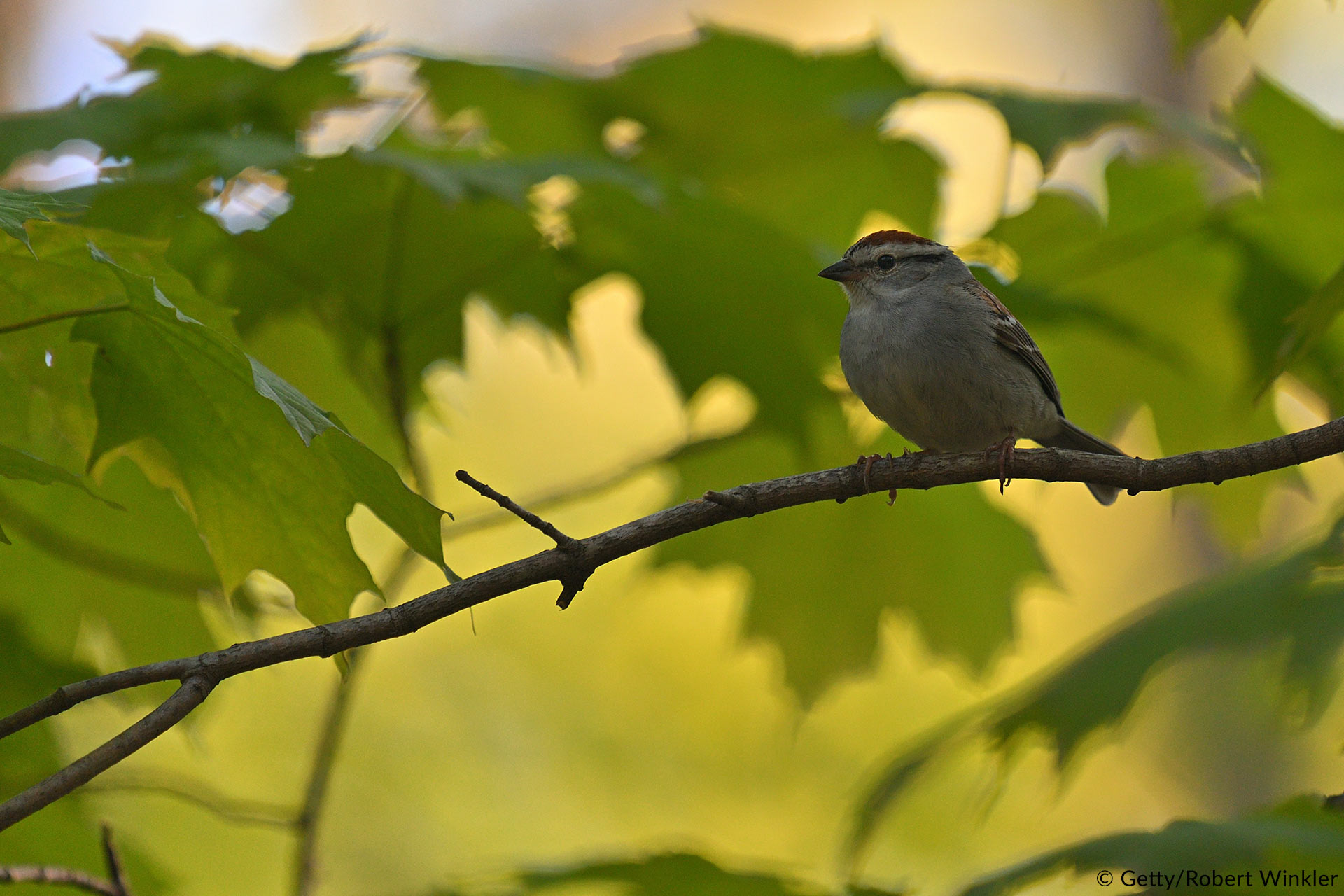
Sugar Maples are a cornerstone of eastern Canadian forests, shaping both the structure and function of the ecosystems they inhabit. As dominant, long-lived canopy trees, they provide critical habitat and resources for a wide array of wildlife. Many bird species, such as evening grosbeaks, warblers, and woodpeckers, nest within their branches or use the trees as foraging sites, feeding on insects that live on or around the bark and foliage. These insect populations, in turn, are supported by the complex relationships between the Sugar Maple and its surrounding environment, including the abundant leaf litter and understory vegetation the tree helps sustain.
 Credit: Kyle Lawrence
Mammals also rely on Sugar Maples for food throughout the year. Squirrels and chipmunks gather and store the seeds, while deer feed on the tender buds and leaves, especially in spring. In winter, moose occasionally browse on twigs and bark when other food sources are scarce. The tree’s foliage supports countless invertebrates, particularly the caterpillars of various moth and butterfly species, which form an essential part of the diet for many forest birds during the breeding season. These intricate feeding relationships highlight the Sugar Maple’s role in sustaining higher trophic levels within the forest food web.
Beyond their value as a food source, Sugar Maples contribute to the physical stability and fertility of forest ecosystems. Their extensive root systems bind and stabilize the soil, reducing erosion on slopes and stream banks. Each autumn, the large volume of fallen maple leaves decomposes slowly, returning vital nutrients to the soil and enriching the forest floor. This process not only supports the growth of other plants but also helps maintain the soil’s structure and moisture-holding capacity.
By forming dense canopies, Sugar Maples influence the microclimate within forests, moderating temperature extremes and providing shaded conditions that shape the composition of understory vegetation. These shaded environments support a diversity of shade-tolerant plant species and provide cool, moist habitat for amphibians and other forest-dwelling organisms. Over decades and centuries, Sugar Maples play an important role in forest succession, gradually shaping species composition and maintaining the stability of mature hardwood forests.
 Credit: Katja Schulz
Although the Sugar Maple remains widespread across much of eastern Canada, it faces a variety of environmental and biological pressures that could affect its long-term health and regeneration. Climate change is one of the most significant emerging threats, with warmer average temperatures, more frequent summer droughts and shifts in freeze–thaw cycles all impacting growth and sap production. Since sap flow depends on consistent late-winter temperature patterns, shorter or less frequent freeze–thaw events can reduce harvest yields for maple syrup producers. More extreme weather events, such as ice storms and wind damage, also weaken trees, while climate models suggest that suitable habitat may shift northward in the coming decades, potentially reducing the Sugar Maple’s range in southern parts of its distribution.
Pests and diseases pose another challenge. The native Sugar Maple Borer weakens trees by tunnelling into their wood, sometimes causing dieback of major branches. Invasive species, particularly the Asian longhorned beetle, present a more serious threat, as they can infest and kill even healthy trees if populations are not controlled. Fungal pathogens such as tar spot and anthracnose, while not typically fatal, can damage leaves and reduce the tree’s ability to photosynthesize effectively, especially when combined with other stresses.
 Credit: Ryan Hodnett
Air pollution, particularly acid rain, has historically had a damaging effect on Sugar Maple forests. Acidic precipitation leaches calcium and other essential nutrients from forest soils, leaving trees weaker and more susceptible to environmental stresses and pests. While air quality regulations have reduced acid rain since the 1980s, recovery in affected soils is slow and areas with thin or nutrient-poor soils remain vulnerable.
Over-browsing by large herbivores such as deer and moose further threatens Sugar Maple regeneration. In areas with high browsing pressure, seedlings and saplings are often eaten before they can reach maturity, altering forest composition over time and reducing the number of young trees available to replace aging canopy maples.
 Credit: Chris Light
Human-driven forest fragmentation compounds these issues by breaking large, continuous tracts into smaller, isolated patches. Fragmentation reduces genetic diversity, increases the vulnerability of stands to pests and diseases and exposes forest edges to harsher environmental conditions that can hinder seedling growth. Over time, these combined pressures can significantly impact the health, resilience and distribution of Sugar Maple forests in Canada.
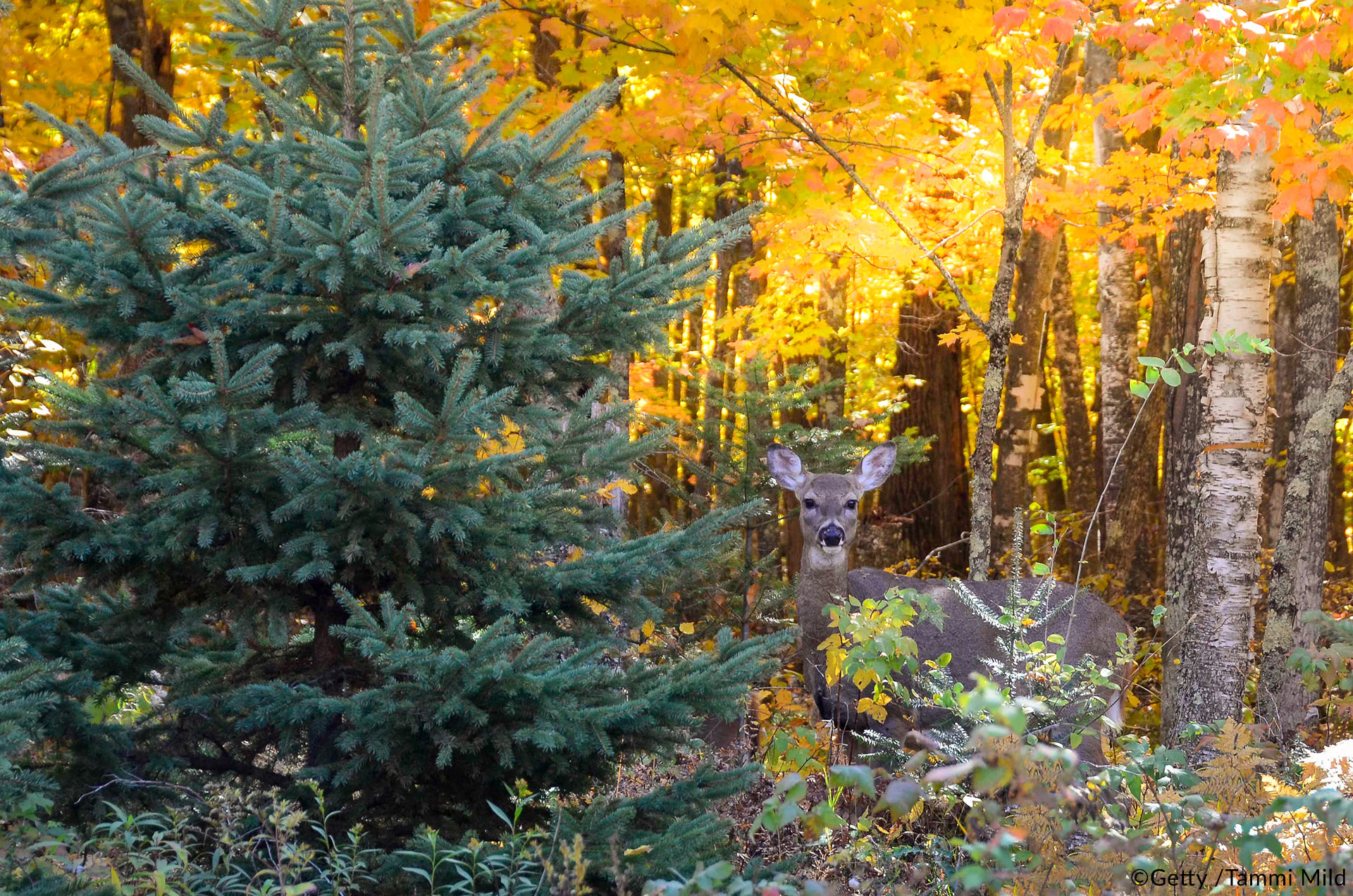 Credit: Tammi Mild | Getty
Sugar Maple conservation in Canada focuses on sustaining healthy, diverse forests while addressing the main threats that the species faces. One key strategy is maintaining mixed-species stands rather than monocultures. Forests containing a variety of hardwoods – such as yellow birch, red oak and basswood – are more resilient to pests, diseases and extreme weather. This diversity reduces the risk of large-scale damage from species-specific threats like the Sugar Maple Borer or the invasive Asian longhorned beetle, while also supporting richer wildlife communities and healthier soils that benefit maple growth.
Monitoring sap production and forest health is another important component of conservation. By tracking annual yields and observing changes in tree condition, forest managers can identify the impacts of climate change, nutrient depletion or pest outbreaks. Early detection allows for timely interventions, such as adjusting harvesting schedules in response to altered freeze-thaw cycles or implementing pest control measures to protect stands before damage becomes widespread.
Protecting large tracts of mature Sugar Maple forest is equally important. Conservation tools such as provincial parks, nature reserves and conservation easements safeguard these areas from development and fragmentation. Large connected forests help maintain genetic diversity between maple populations and provide stable habitats for wildlife species that depend on these ecosystems.
In regions where deer and moose populations are high, over-browsing can severely limit Sugar Maple regeneration. Managing browsing pressure through regulated hunting, habitat management or protective measures like tree shelters and temporary fencing ensures that young saplings can survive long enough to contribute to the forest canopy.
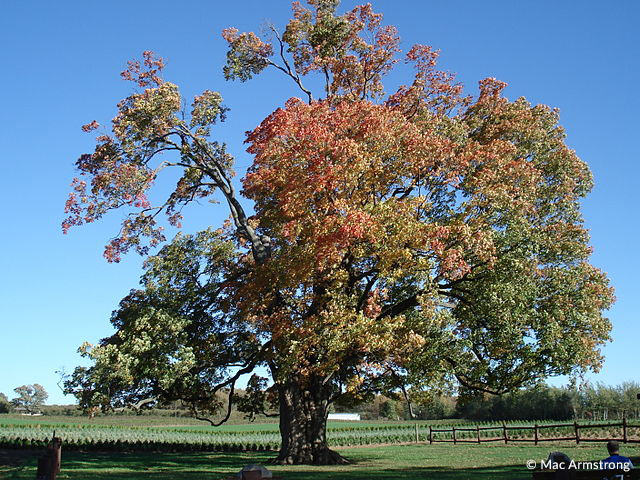 Credit: Mac Armstrong
Finally, forestry practices that mimic natural disturbance patterns are critical for maintaining the conditions Sugar Maples require. Historically, these forests regenerated after events such as windthrow, ice storms or selective tree death from disease. Modern selective harvesting can replicate these effects, conserving the uneven-aged structure, partial canopy cover and soil integrity that Sugar Maple seedlings need. Such approaches also reduce erosion, maintain microclimate stability and support long-term forest health.
Beyond its cultural and economic roles, the Sugar Maple is valued as a shade tree in urban areas, where it improves air quality, stores carbon and enhances aesthetic appeal. Maple hardwood is prized for furniture, flooring, cabinetry and musical instruments, particularly violins and drums, due to its density and resonance.
What we can do
- Support sustainably sourced wood products
- Plant native Sugar Maples in appropriate habitats
- Reduce greenhouse gas emissions to mitigate climate change impacts
- Participate in community tree-planting and forest stewardship programs
Resources
 Credit: Kristine PaulusOnline References:
- Tree Canada. Sugar Maple (Acer saccharum).
- Ontario Ministry of Natural Resources and Forestry. Sugar Maple.
- Natural Resources Canada. Tree Atlas – Sugar Maple.
- The Canadian Encyclopedia. Maple Sugar Industry.
- IUCN Red List. Acer saccharum.
- CBC Radio. Tapping into a History that Connects Maple Syrup to First Nations.
Print References:
- Bal, T. L.; Schaberg, P. G.; Hawley, G. J.; DeHayes, D. H. Nutrient stress predisposes and contributes to Sugar Maple decline. Forestry, 88(1): 64–75. (academic.oup.com)
- Bishop, D. A.; Dehayes, D. H.; Hawley, G. J.; Castellow, G. M.; Mulrooney, H. Regional growth decline of Sugar Maple: Loss of soil calcium from acidic deposition in poorly buffered soils. Ecosystems. (esajournals.onlinelibrary.wiley.com)
- Clark, K.; McLeman, R. Maple sugar bush management and forest biodiversity conservation in Eastern Ontario, Canada. Eastern Ontario Model Forest Research Report. (net)
- Horsley, S. B.; Long, R. P.; Bailey, S. W.; Wargo, P. M. Health of eastern North American Sugar Maple forests and factors affecting decline. Northern Journal of Applied Forestry, 19(2): 34–44. (net)
- Mathews, S. N.; Iverson, L. R.; Prasad, A. M. Can United States Sugar Maple (Acer saccharum) syrup production respond to climate change? Annals of Forest Science. (tandfonline.com)