


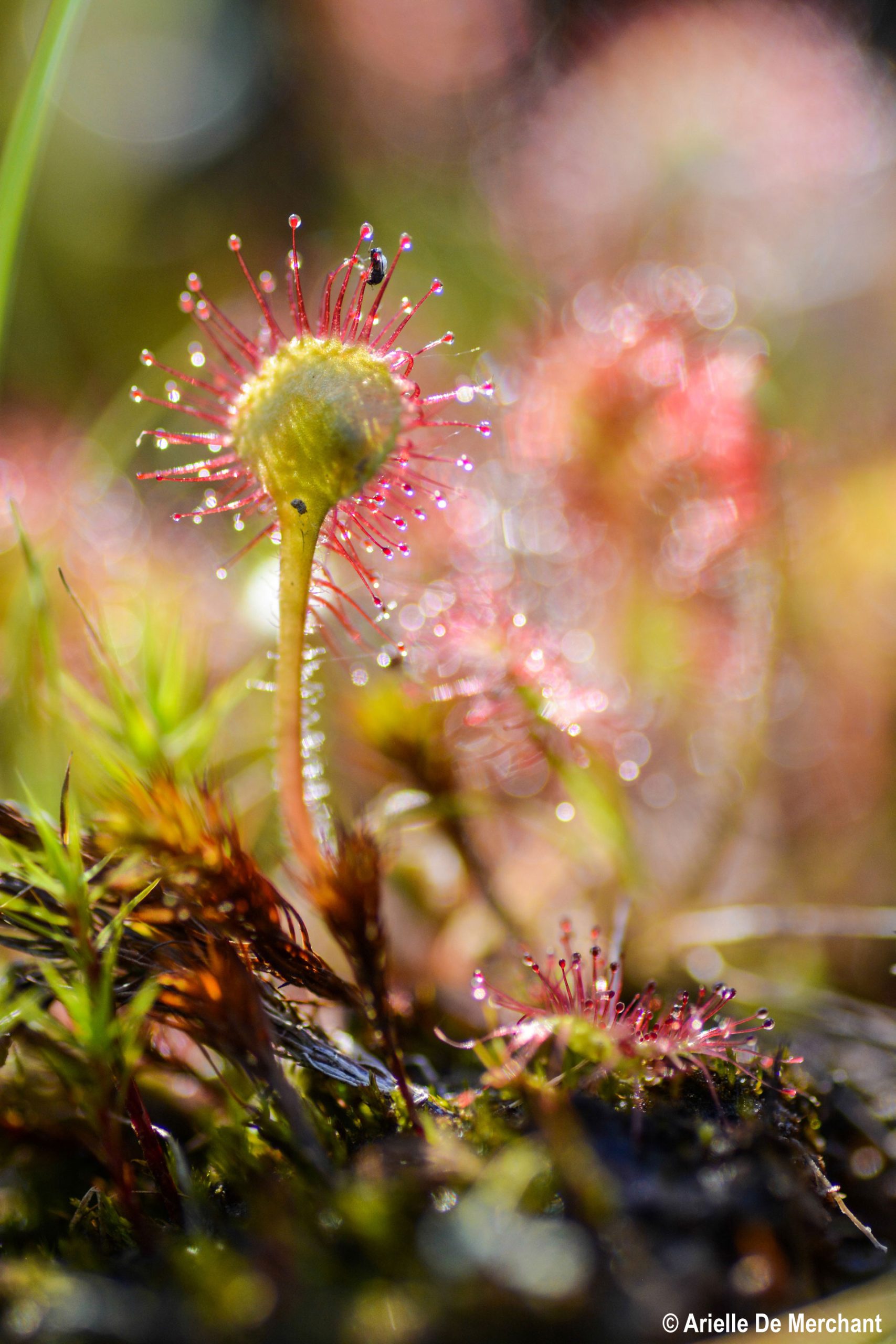

 Round-leaved Sundew (15 sec)
Description
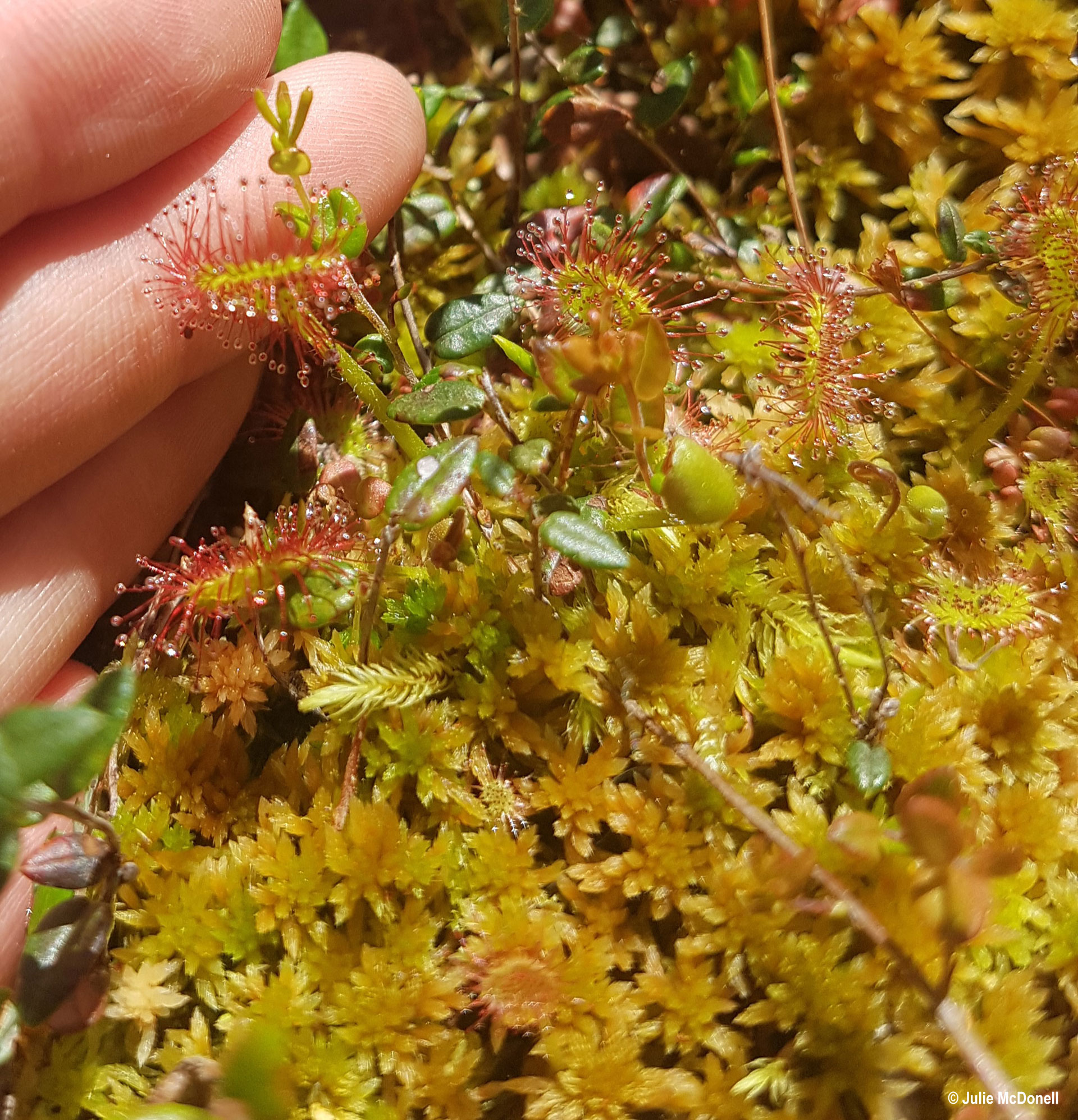 Credit: Julie McDonell
The Round-leaved Sundew (Drosera rotundifolia) is one of Canada’s most fascinating native plants. Despite its small size and delicate appearance, this carnivorous species is a skilled predator in the miniature world of bogs, fens and wet meadows. It has evolved to survive in nutrient-poor soils by trapping and digesting insects, supplementing the nutrients it cannot obtain from the ground. This remarkable adaptation has made the Round-leaved Sundew a symbol of ecological ingenuity in Canada’s wetlands.
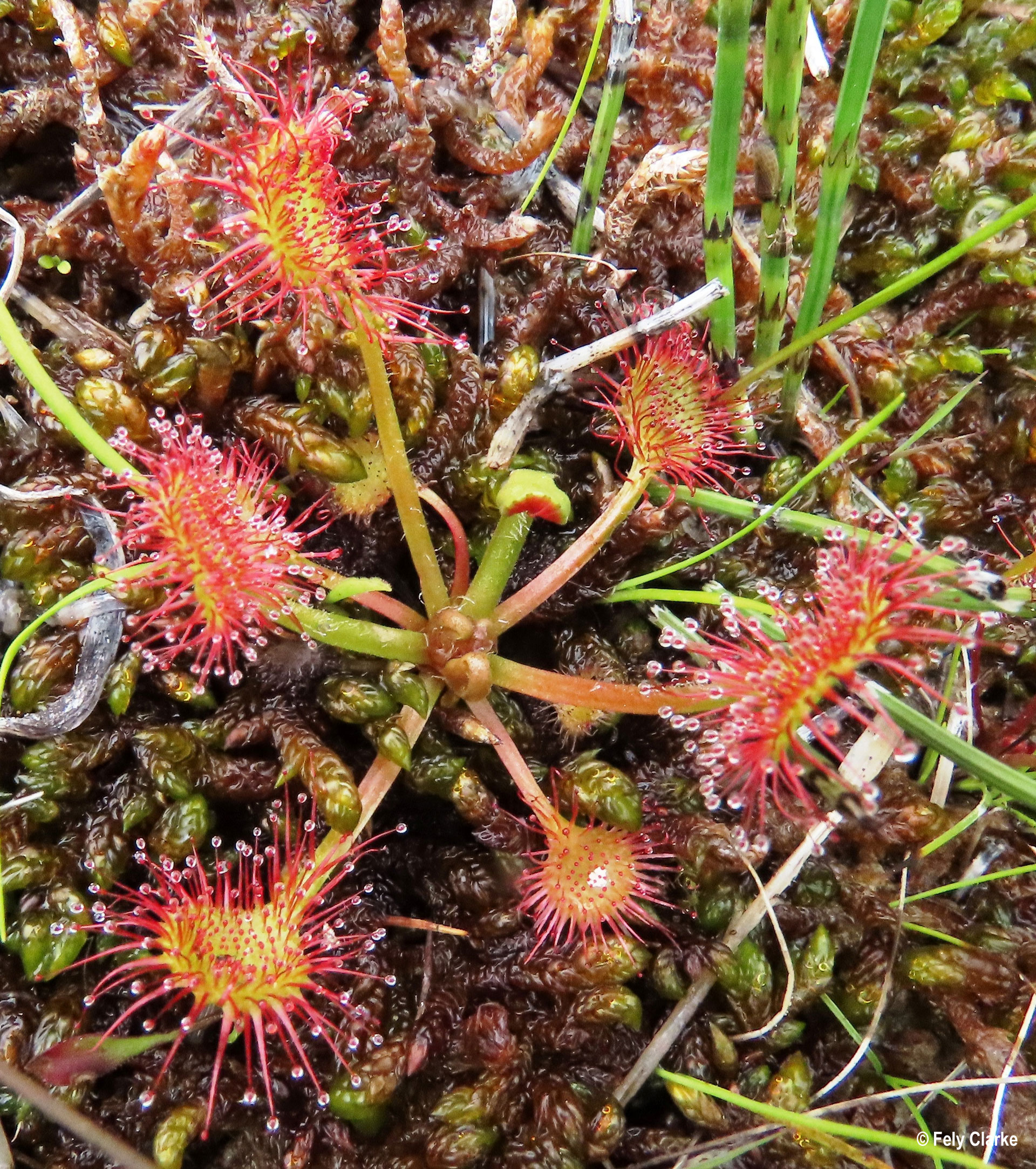
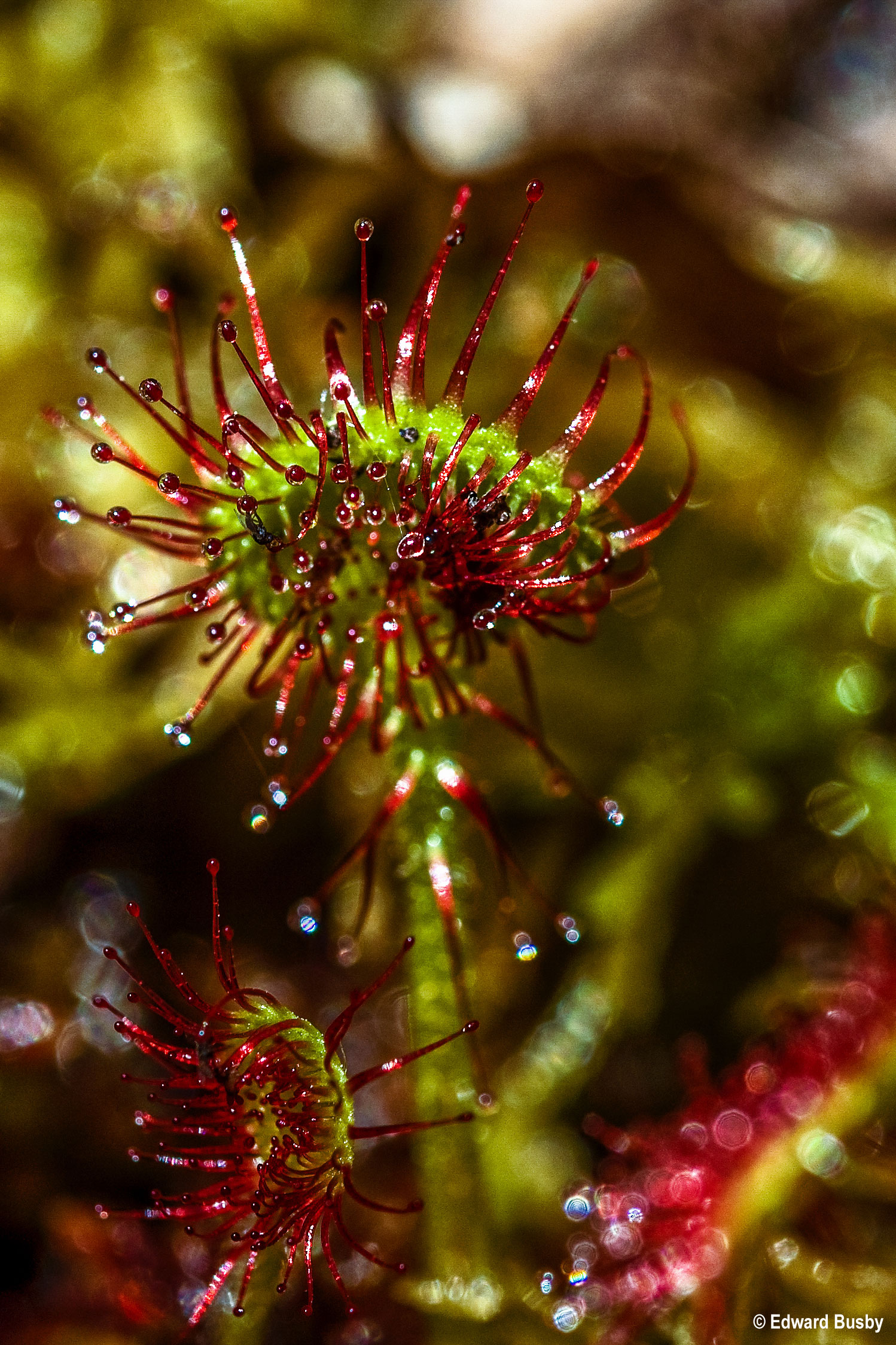
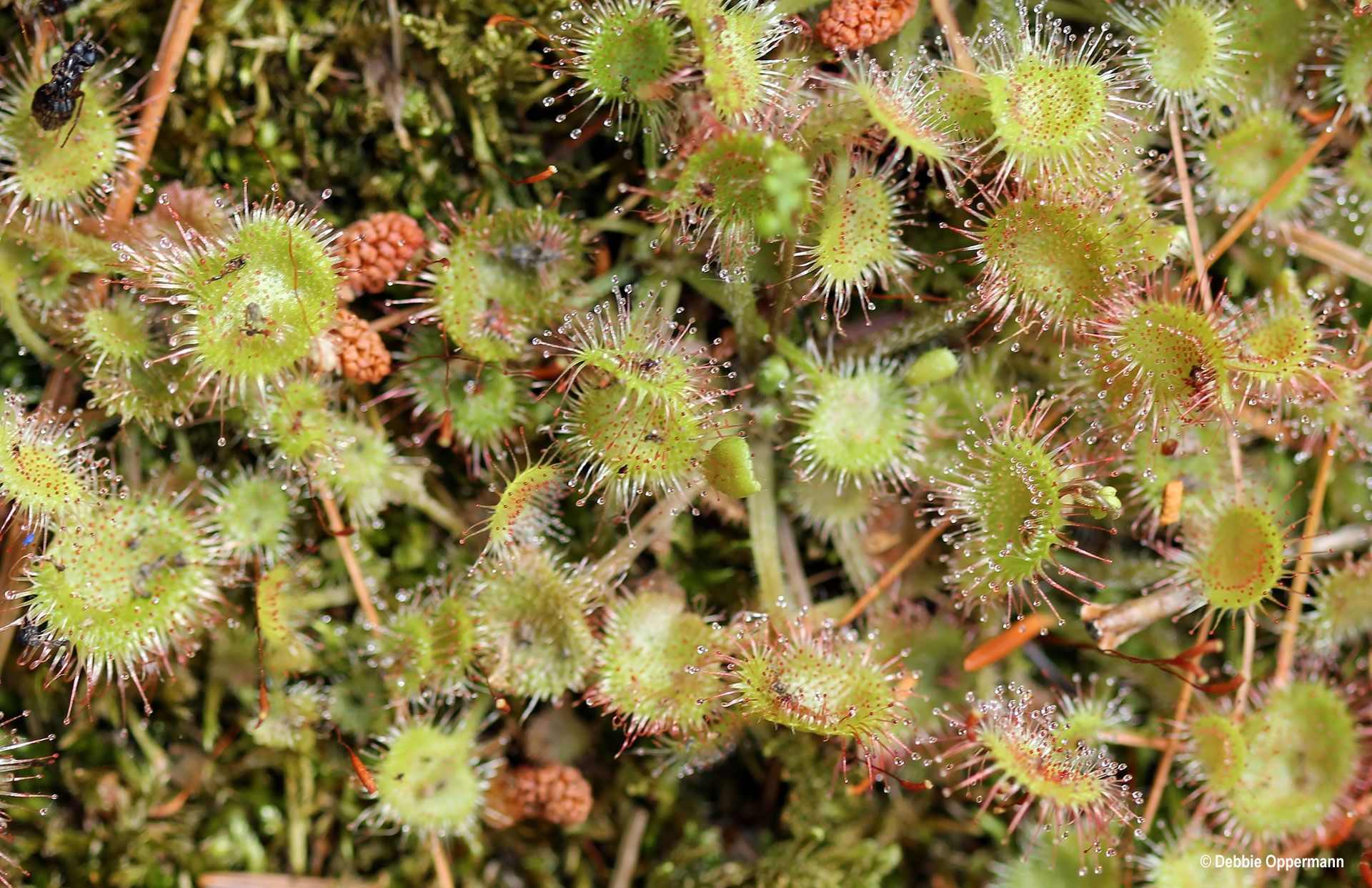
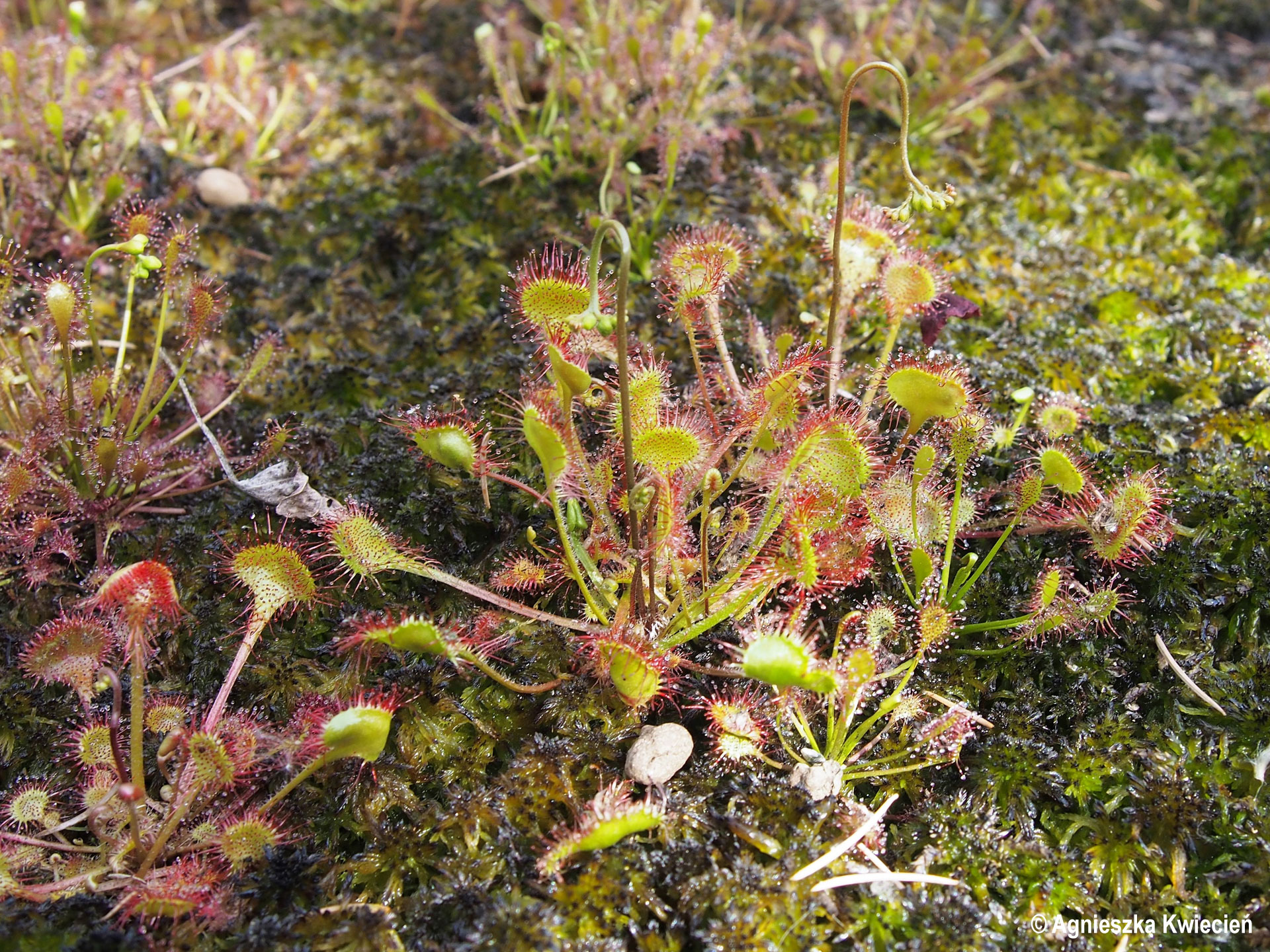
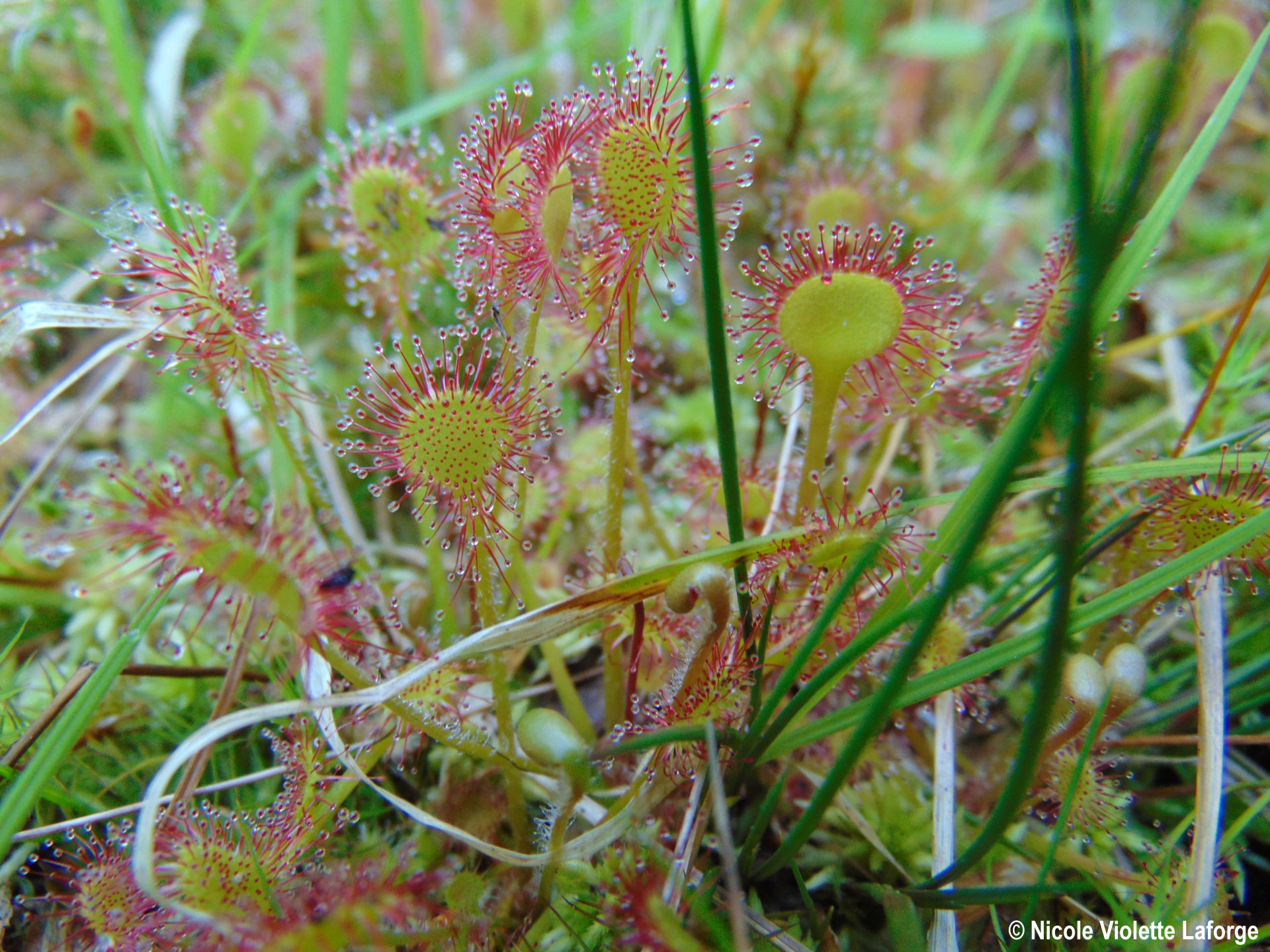
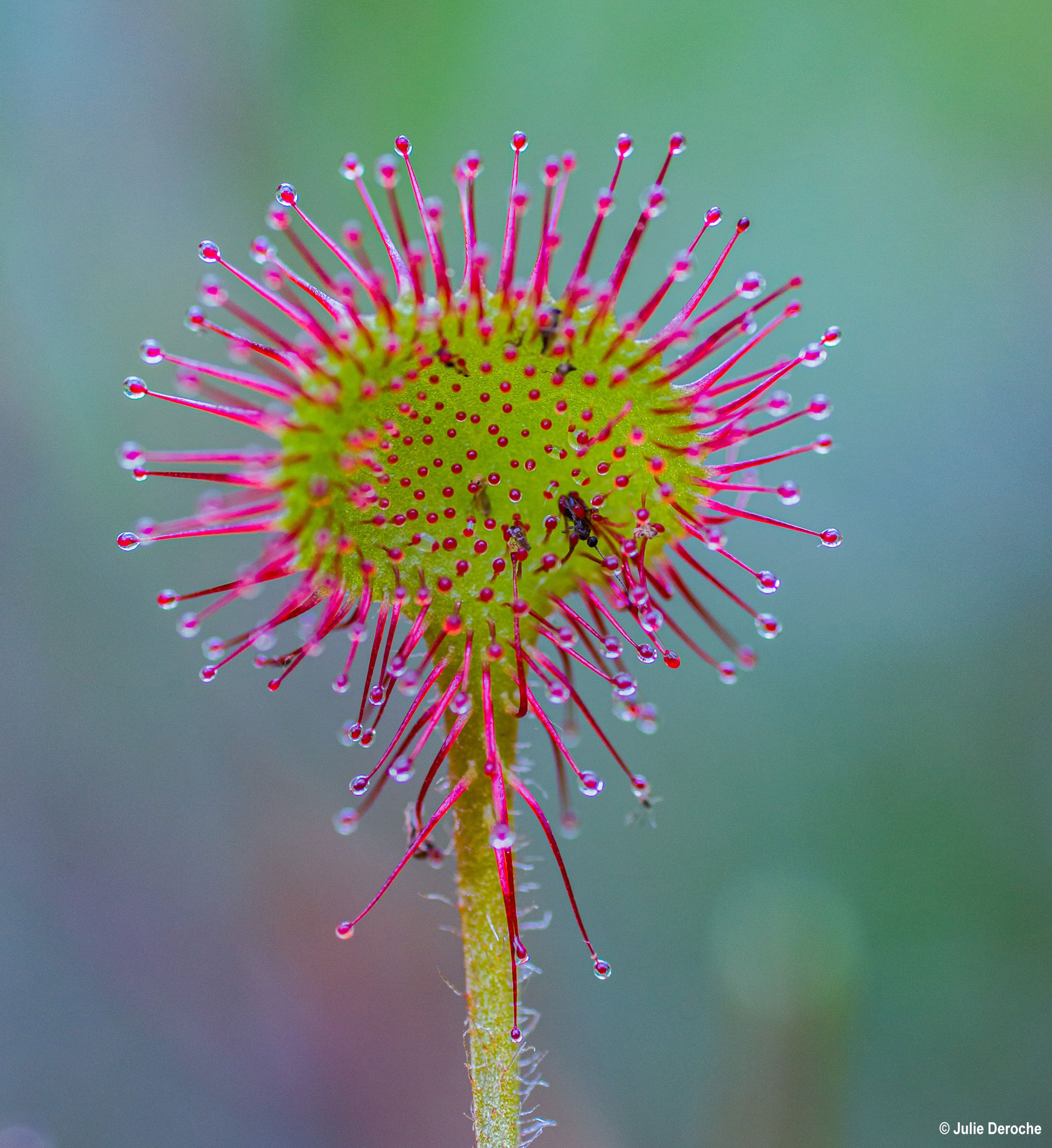
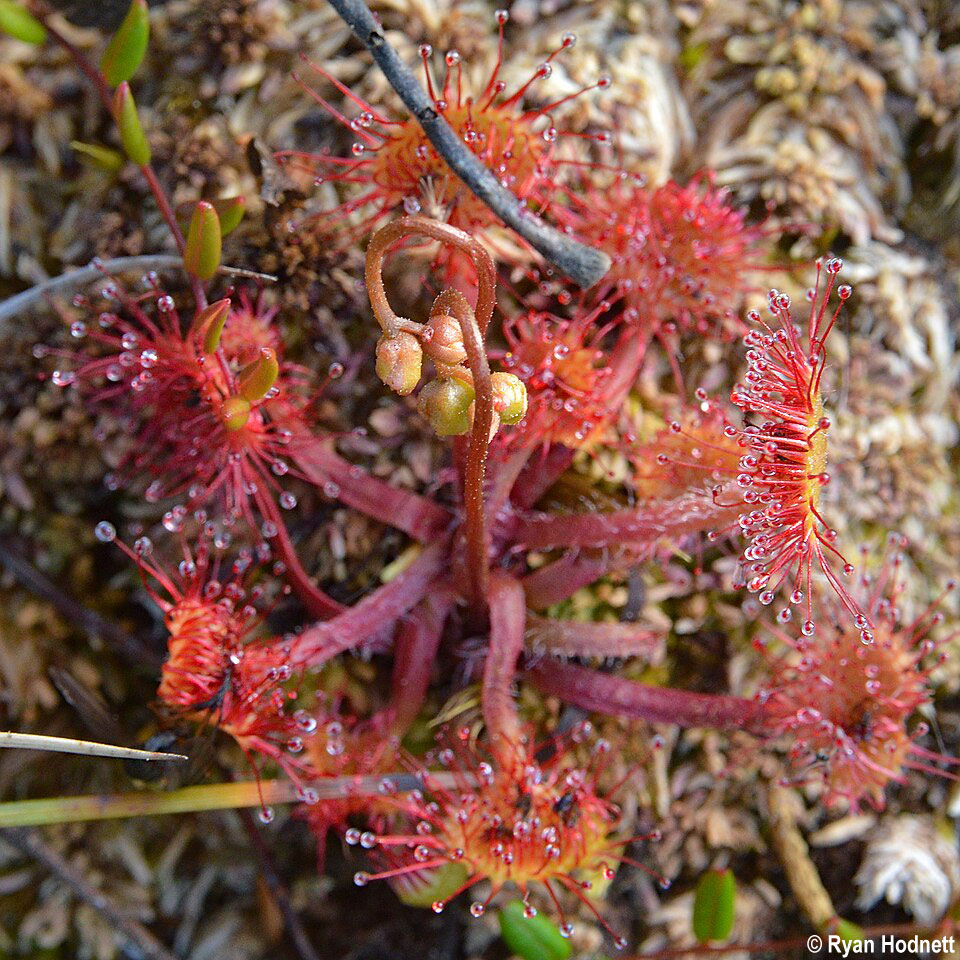
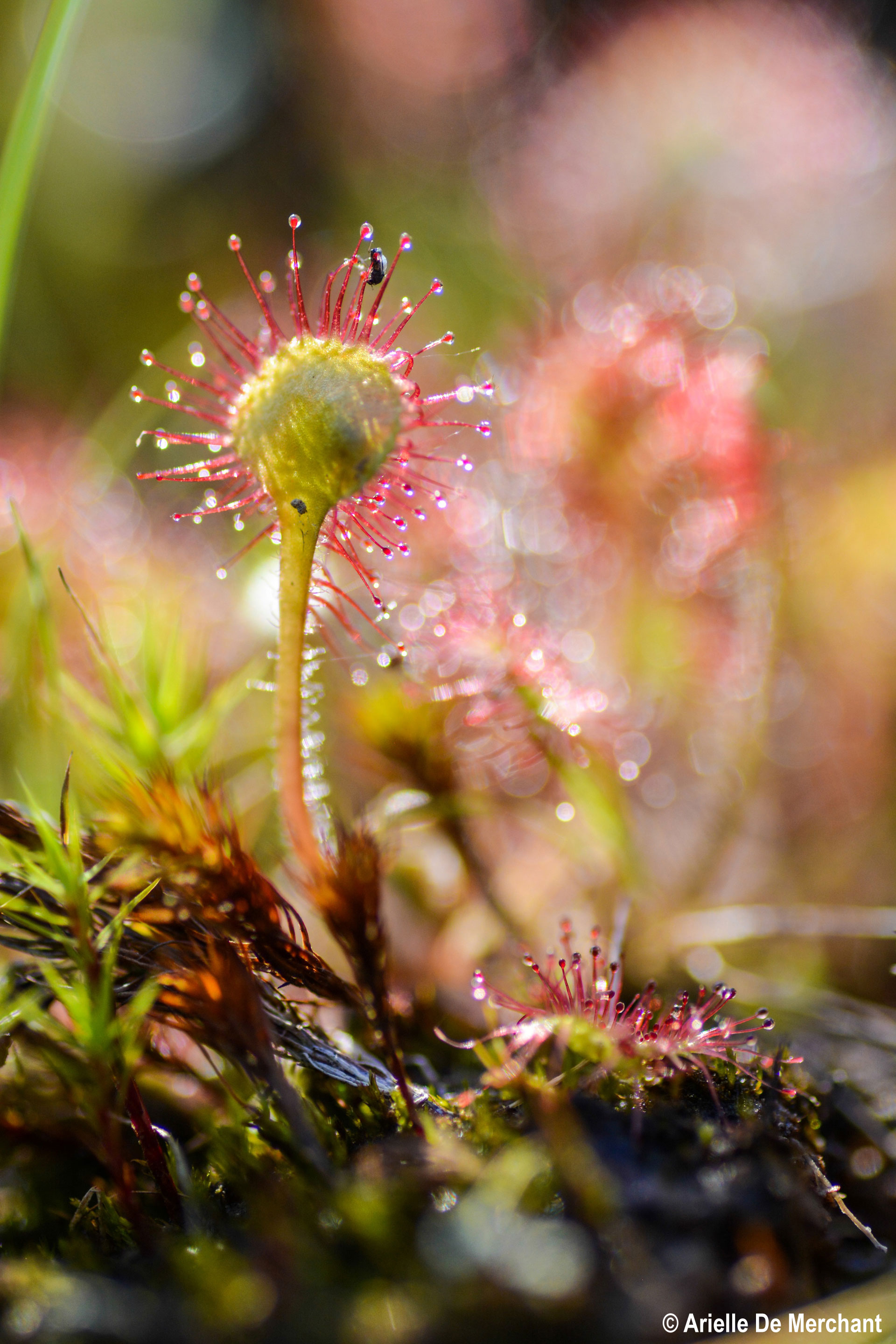
The Round-leaved Sundew is a short-lived perennial herb that grows in a rosette pattern from a central root system. Its leaves are nearly circular, usually less than one centimetre across, and are covered with red, hair-like stalks tipped with a glistening droplet of sticky mucilage. These droplets shimmer in the sunlight, resembling morning dew – the origin of the plant’s common name.
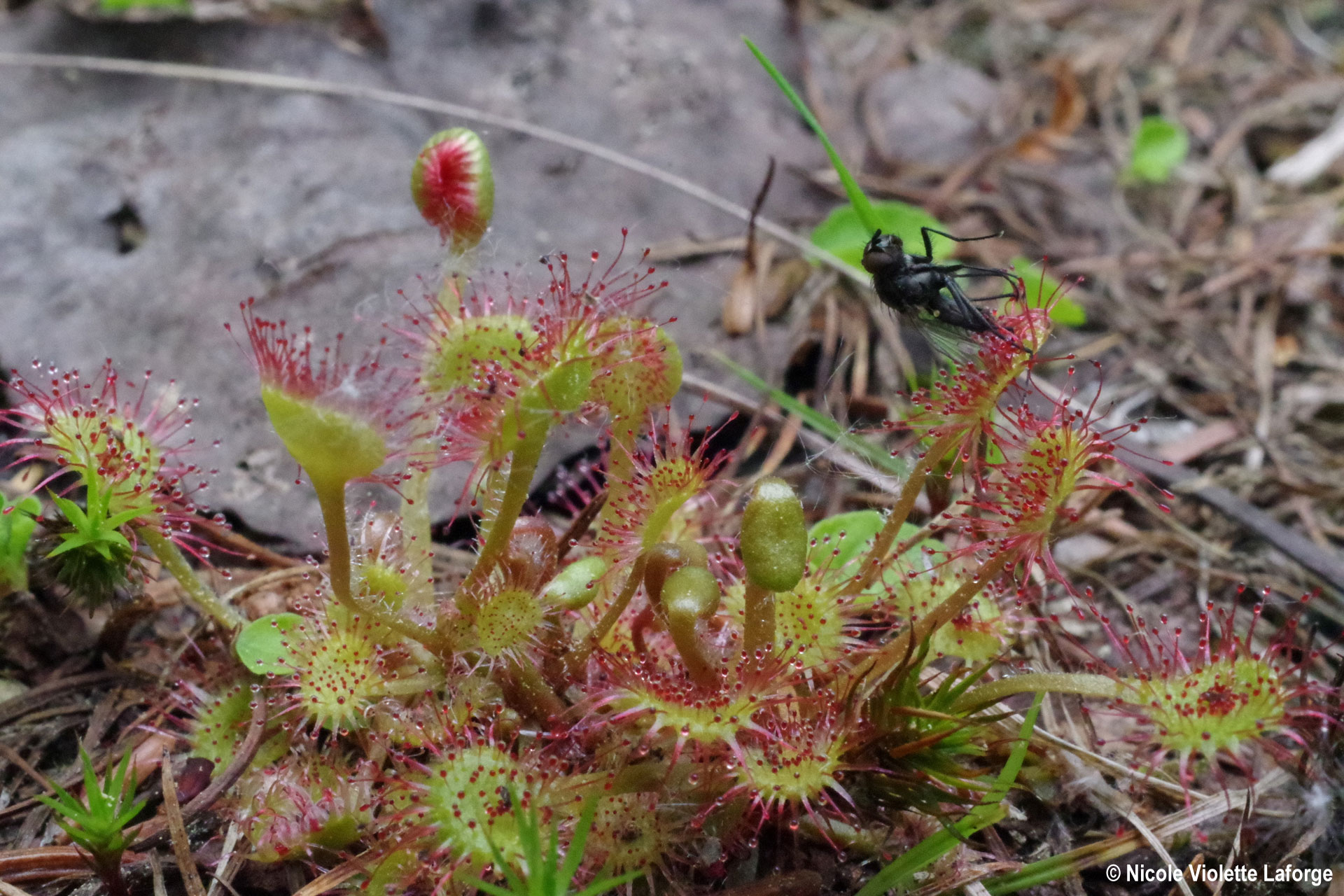
Insects such as gnats, midges, mosquitoes and small spiders are drawn to the droplets, mistaking them for nectar. When they land, the sticky substance holds them fast. The leaf then slowly curls inward, enclosing the prey. Specialized glands secrete digestive enzymes, breaking down the insect’s body to release nitrogen and other nutrients, which are absorbed through the leaf surface. This process can take several days, after which the leaf reopens, ready to trap another victim.
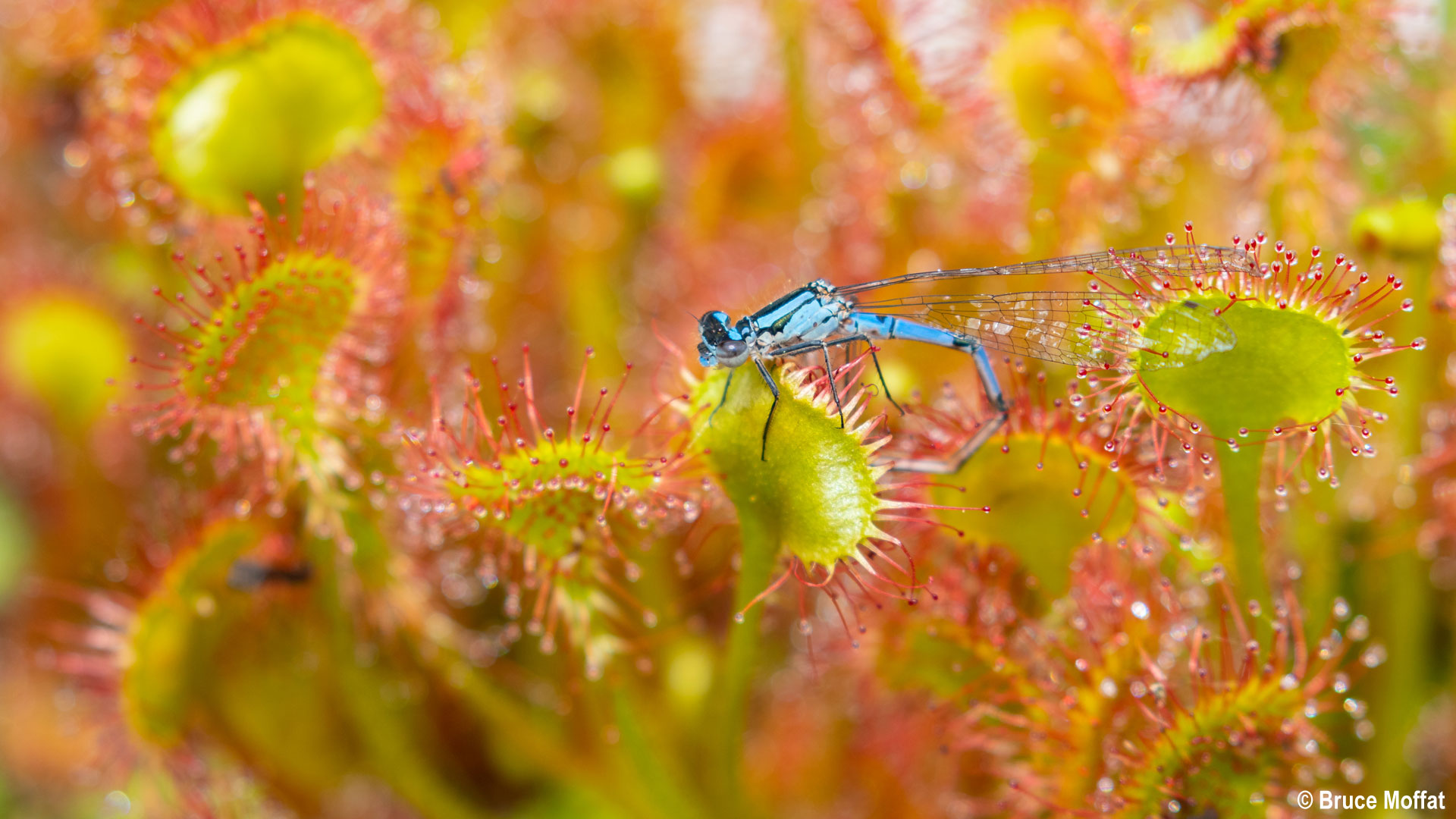 Credit: Bruce-Moffat
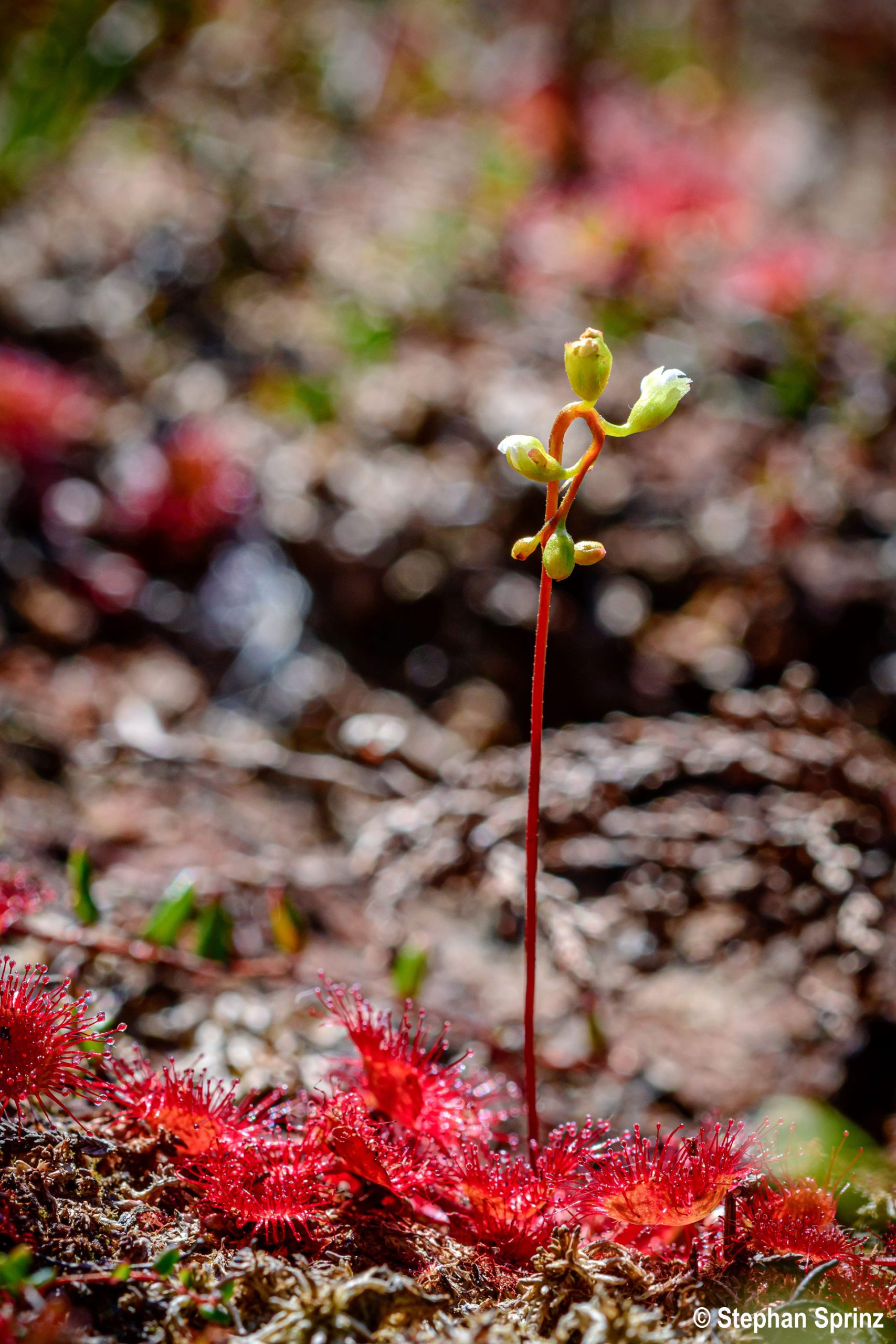
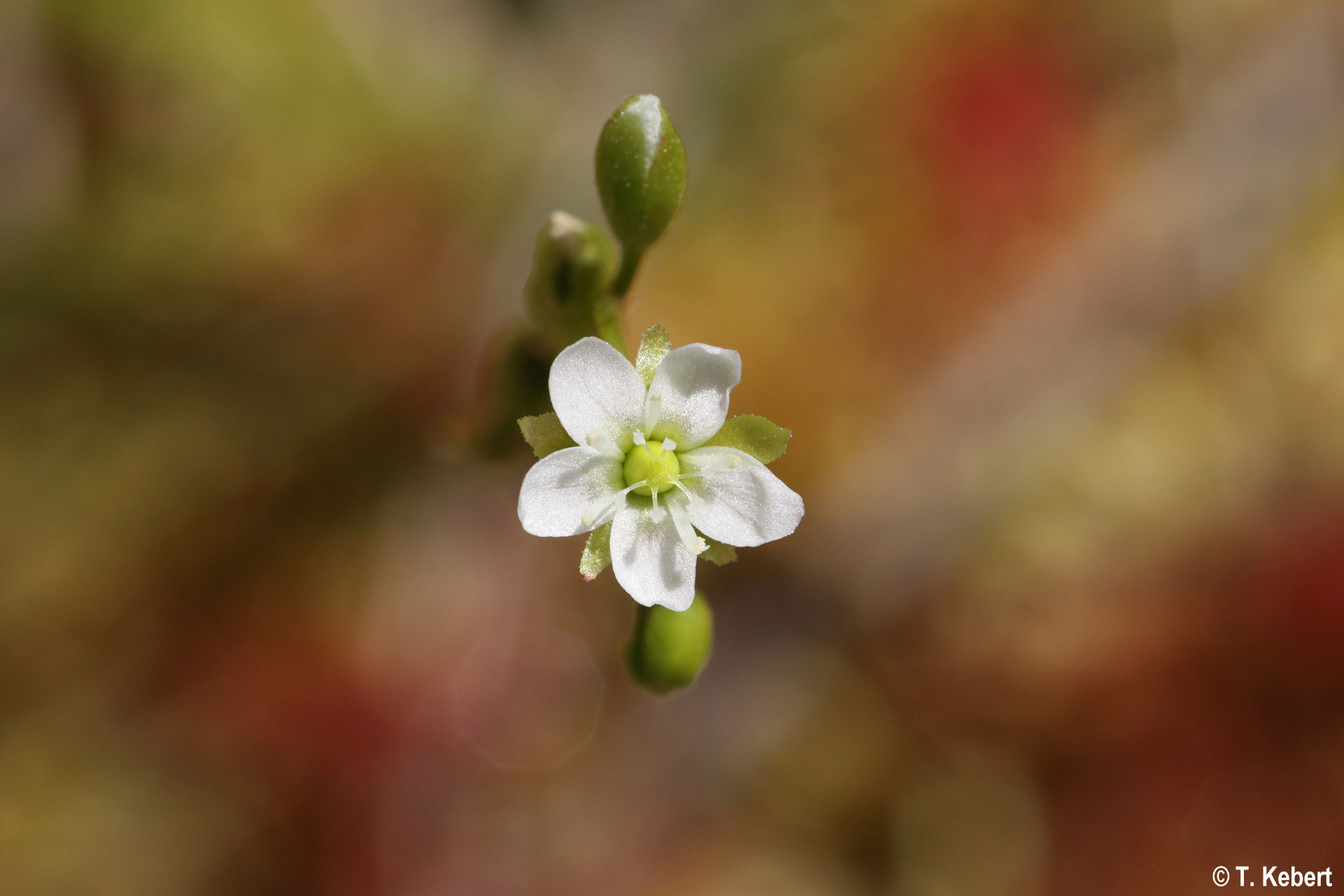
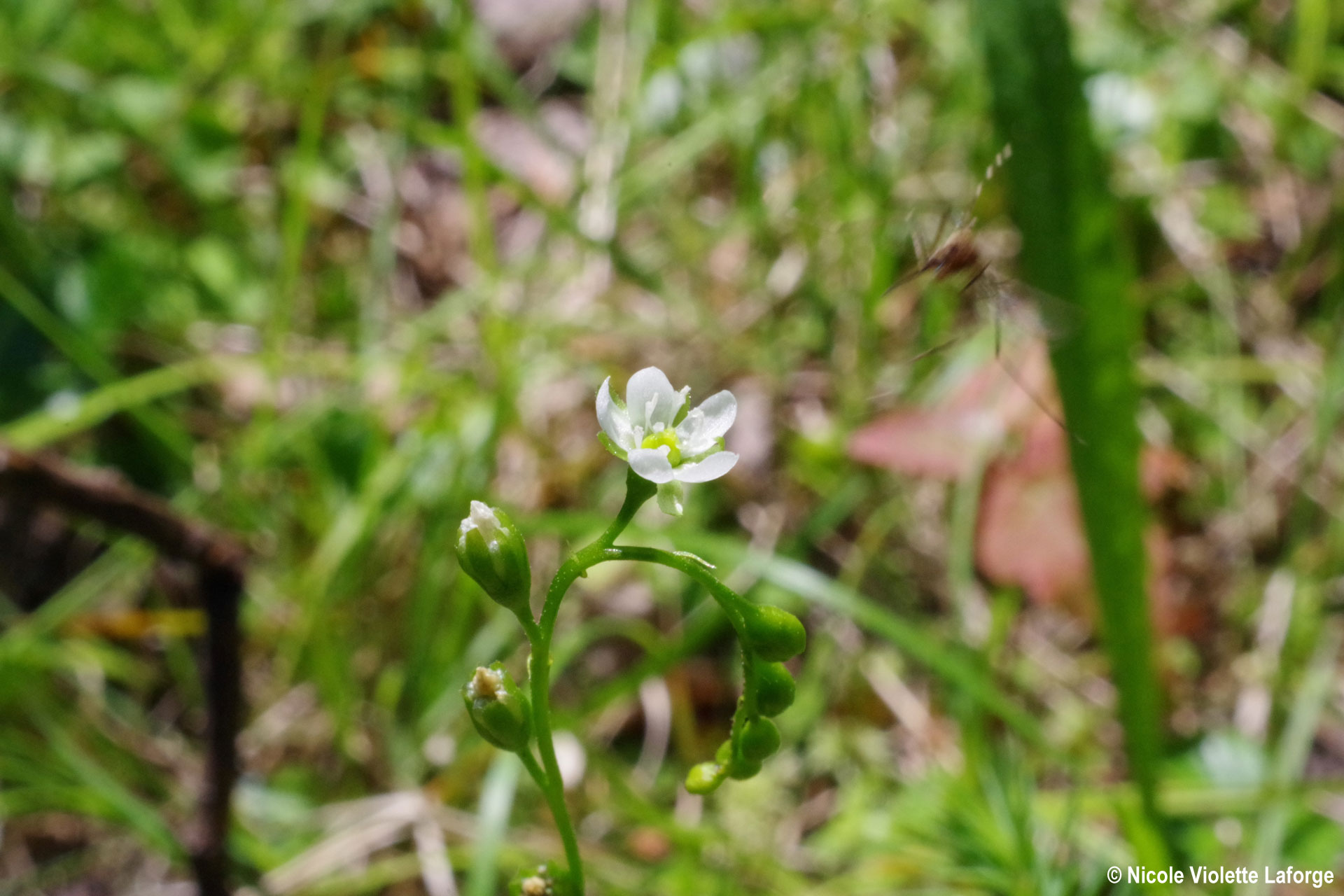
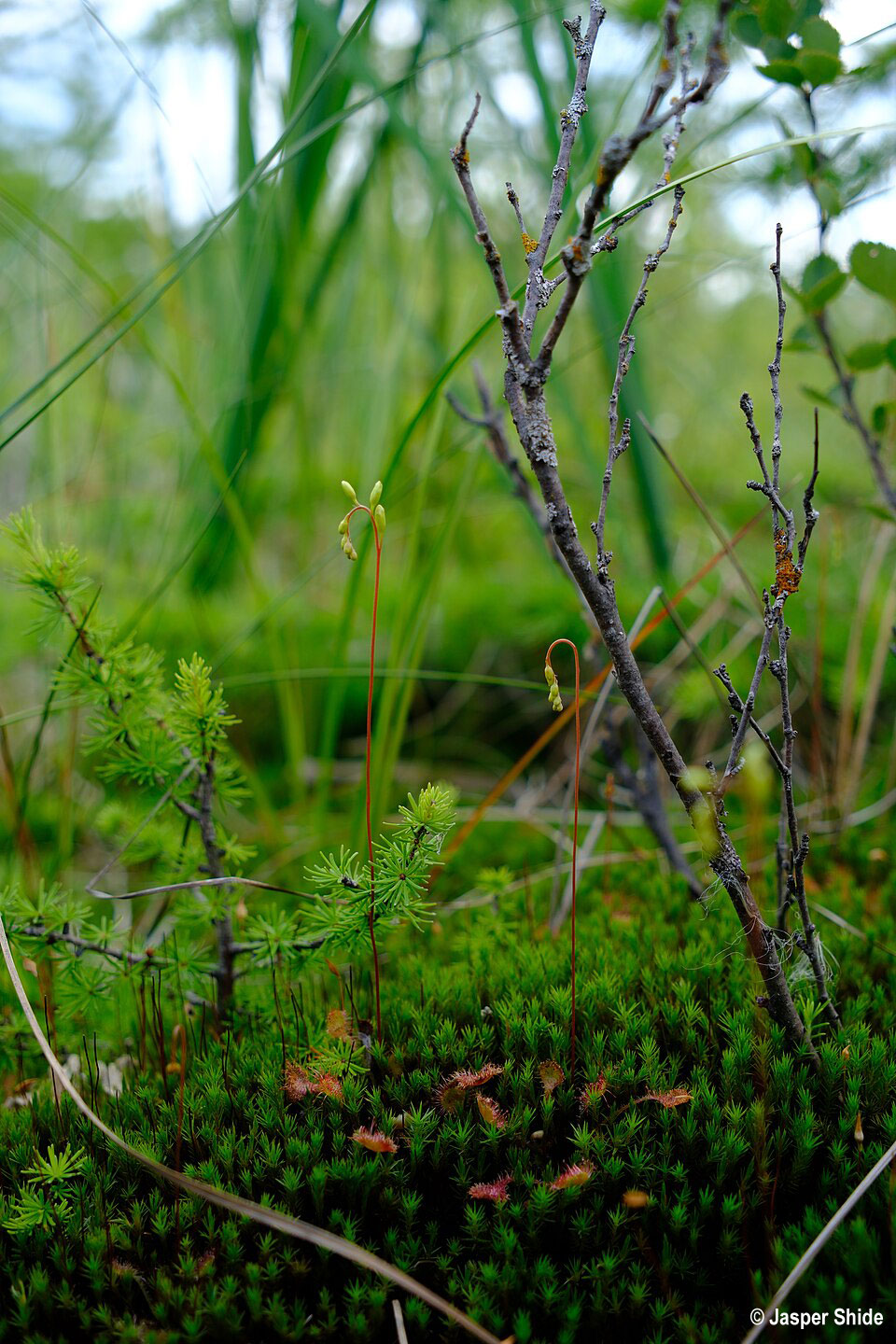
The plant produces one to seven slender flower stalks, or scapes, that rise above the leaves. Each stalk may be five to 25 centimetres tall and bear two to 15 small white flowers, which bloom from late July to early August. These flowers are self-pollinating, although cross-pollination by insects can occur. After flowering, small seed capsules develop, releasing numerous tiny black seeds.
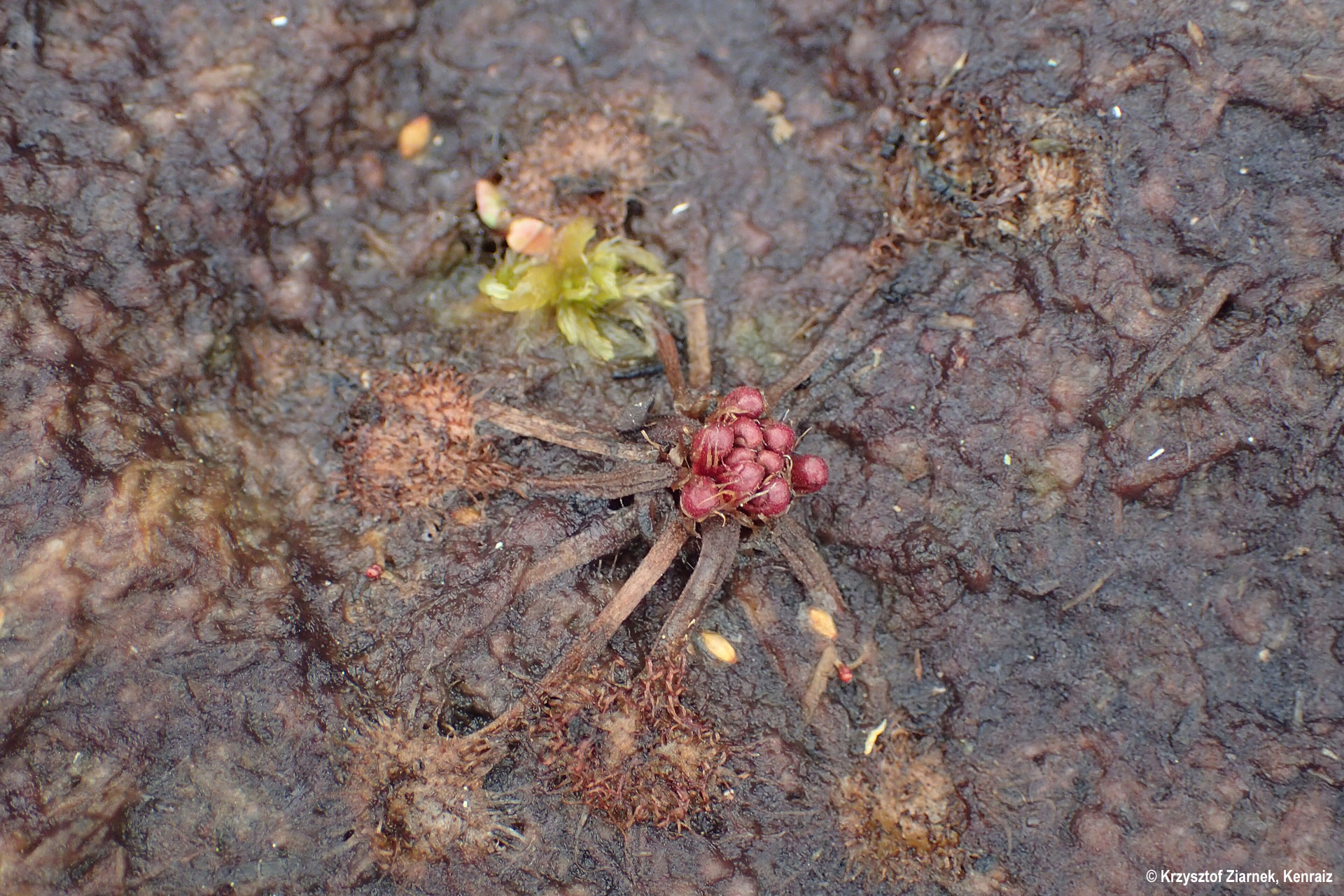
The root system is shallow, with one short-lived taproot and additional fine roots rarely extending more than six centimetres into the substrate. The plant survives winter as a dormant bud beneath the surface of the peat or moss layer.
 Credit: Ryan Hodnett
Habitat and Habits
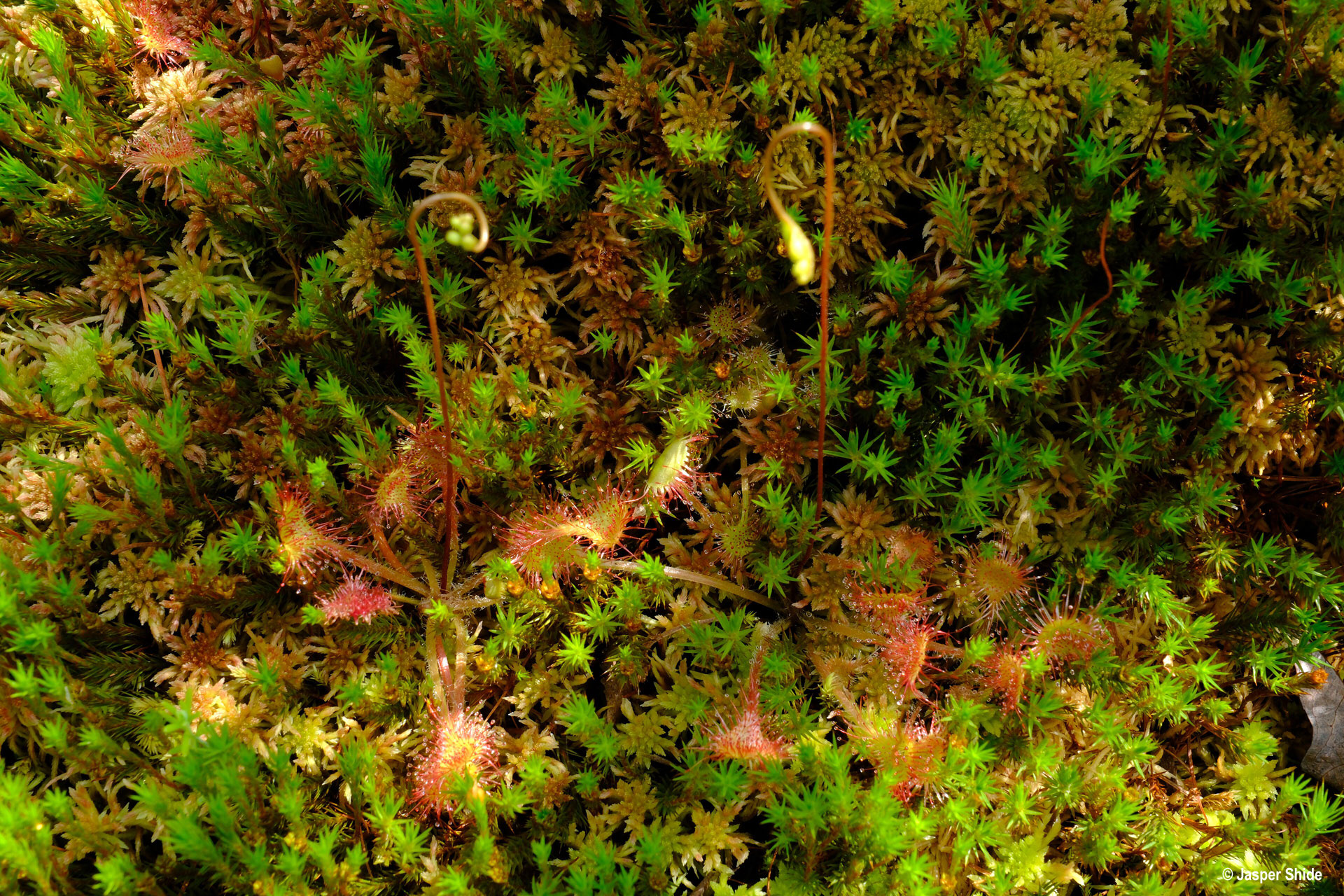
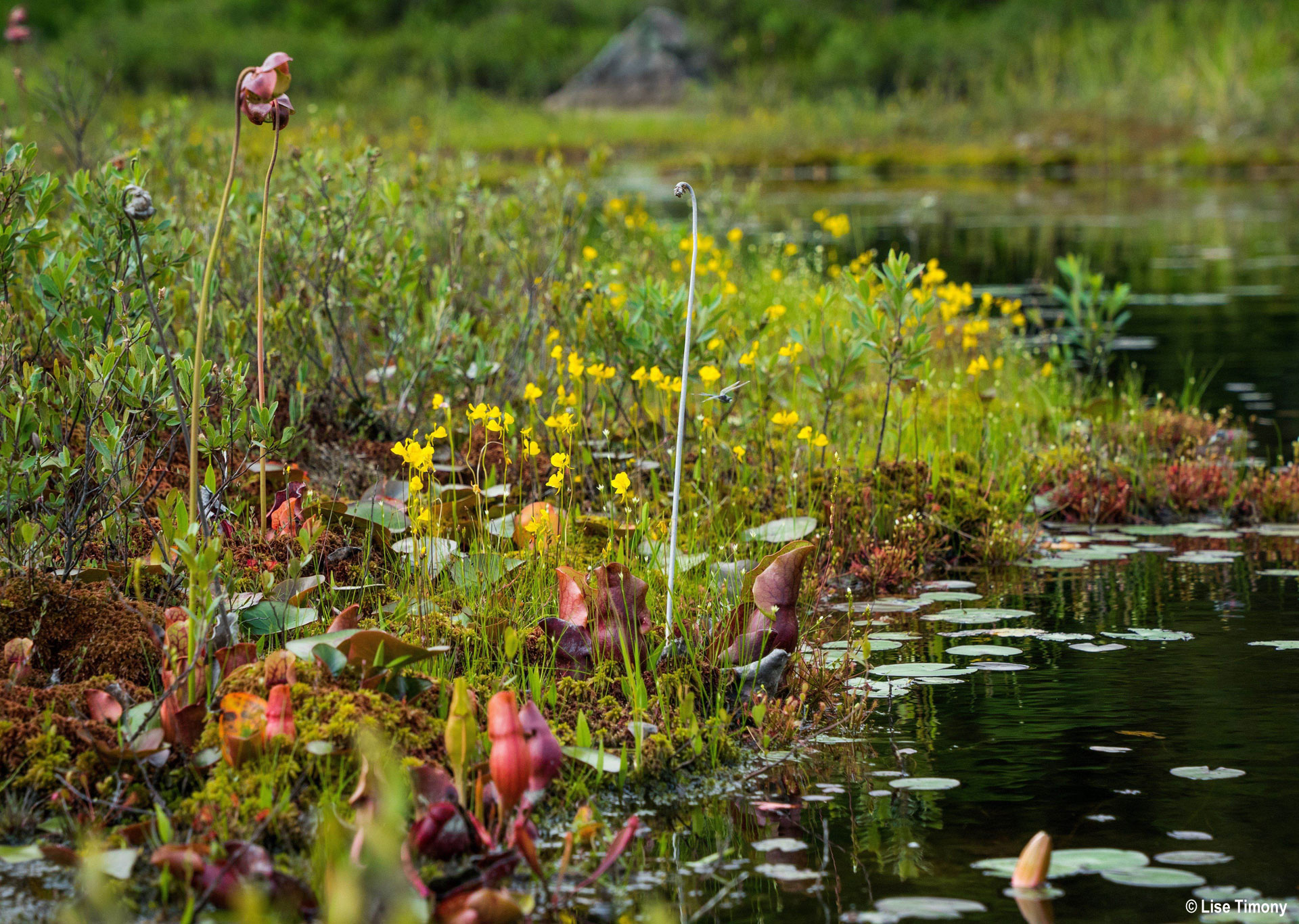
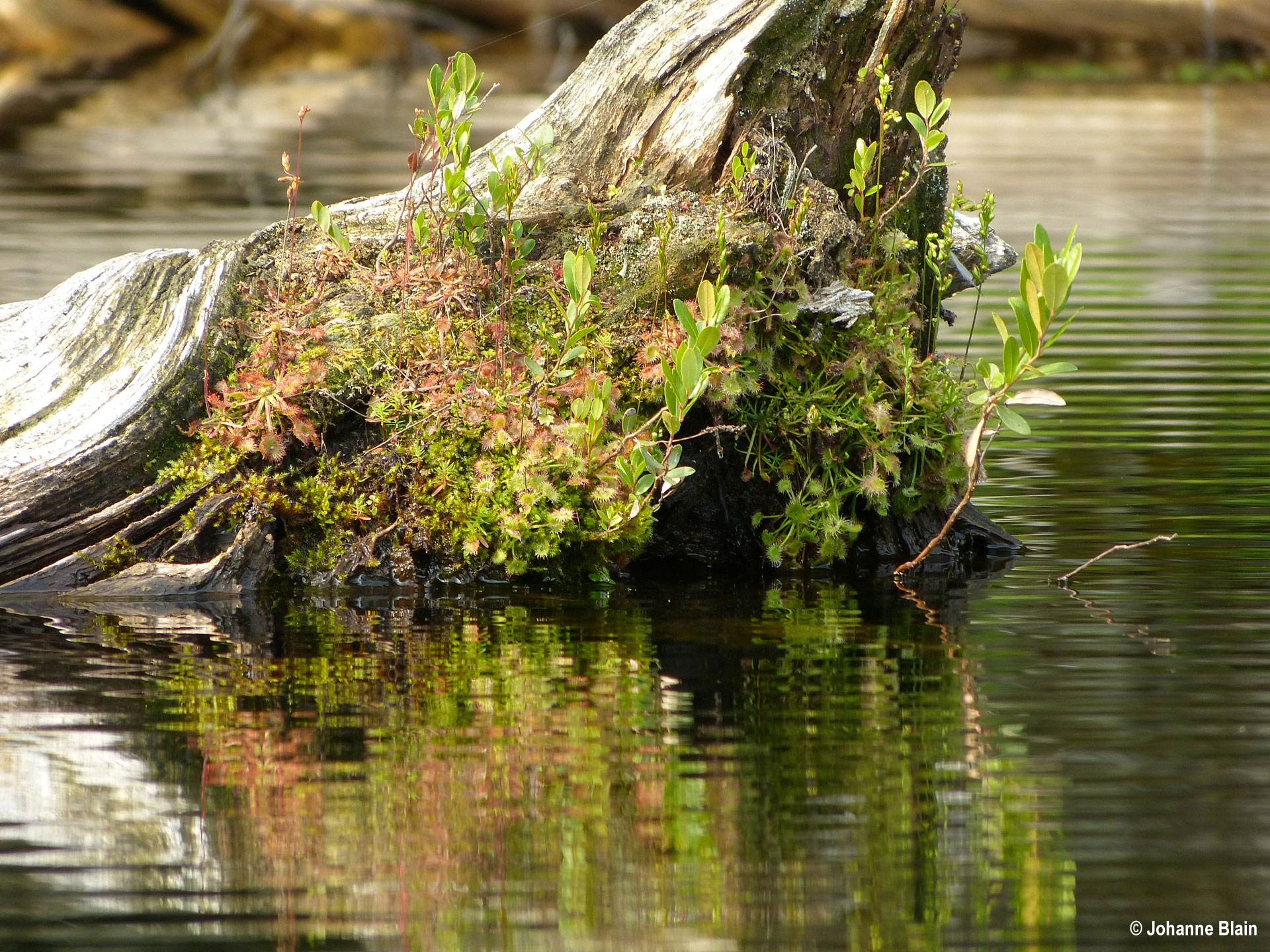
Round-leaved Sundews thrive in wet, acidic, nutrient-poor environments such as bogs, fens and wet meadows. These habitats are often dominated by Sphagnum moss, which creates and maintains the acidic, low-nutrient conditions. The chemistry of bogs and fens includes low pH, minimal oxygen and limited nitrogen and phosphorus availability – conditions under which most plants struggle to survive.
 Credit: Lise Timony
Bogs receive water only from precipitation, making them the most nutrient-poor wetland type. Fens, by contrast, also receive mineral-rich groundwater and surface water, resulting in slightly higher nutrient levels and greater plant diversity. Both support carnivorous plants like the Round-leaved Sundew, which rely on captured insects to supplement nutrient intake.
Peatlands, the broader category of wetlands that includes bogs and fens, cover about 170 million hectares in Canada – roughly 14 per cent of the country’s land area – and are most abundant in boreal, subarctic and arctic regions.
 Credit: Johanne Blain
Range
The Round-leaved Sundew has one of the most extensive ranges of any carnivorous plant, occupying much of the Northern Hemisphere and thriving in cool, nutrient-poor wetlands. It is also widespread across Europe, from the British Isles and Scandinavia south to parts of France, Germany and the Balkans, and extends eastward through Russia into Siberia and parts of northern Asia. In Asia, it occurs in Japan and across portions of northern China and Korea, often in high-altitude bogs that mimic the cool, acidic conditions of its boreal habitats.
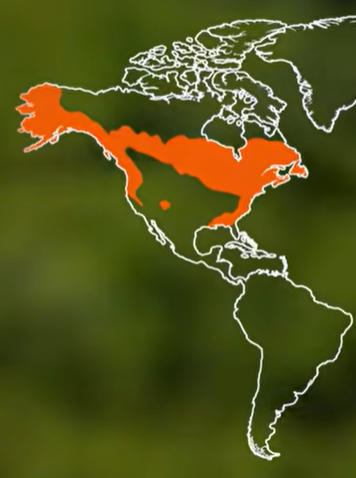
In North America, the species is found throughout most of Canada, occurring in every province and territory except for the driest parts of the southern Prairies and the extreme High Arctic, where cold temperatures, permafrost and lack of suitable wetland habitat prevent establishment. Its Canadian range stretches from the peatlands of Newfoundland and Labrador across Quebec, Ontario and the boreal shield to the bogs of Manitoba, Saskatchewan and into British Columbia, extending north into the Yukon and Northwest Territories.
South of the Canada–U.S. border, the Round-leaved Sundew occurs along the Pacific Coast from Washington into Oregon and as far south as northern California. Inland populations are found in wetland pockets throughout the Rocky Mountains. In the eastern United States, the plant ranges from the bogs and fens of New England down the Appalachian chain to parts of the southeastern coastal plain, reaching as far south as Georgia and, in some cases, northern Florida.
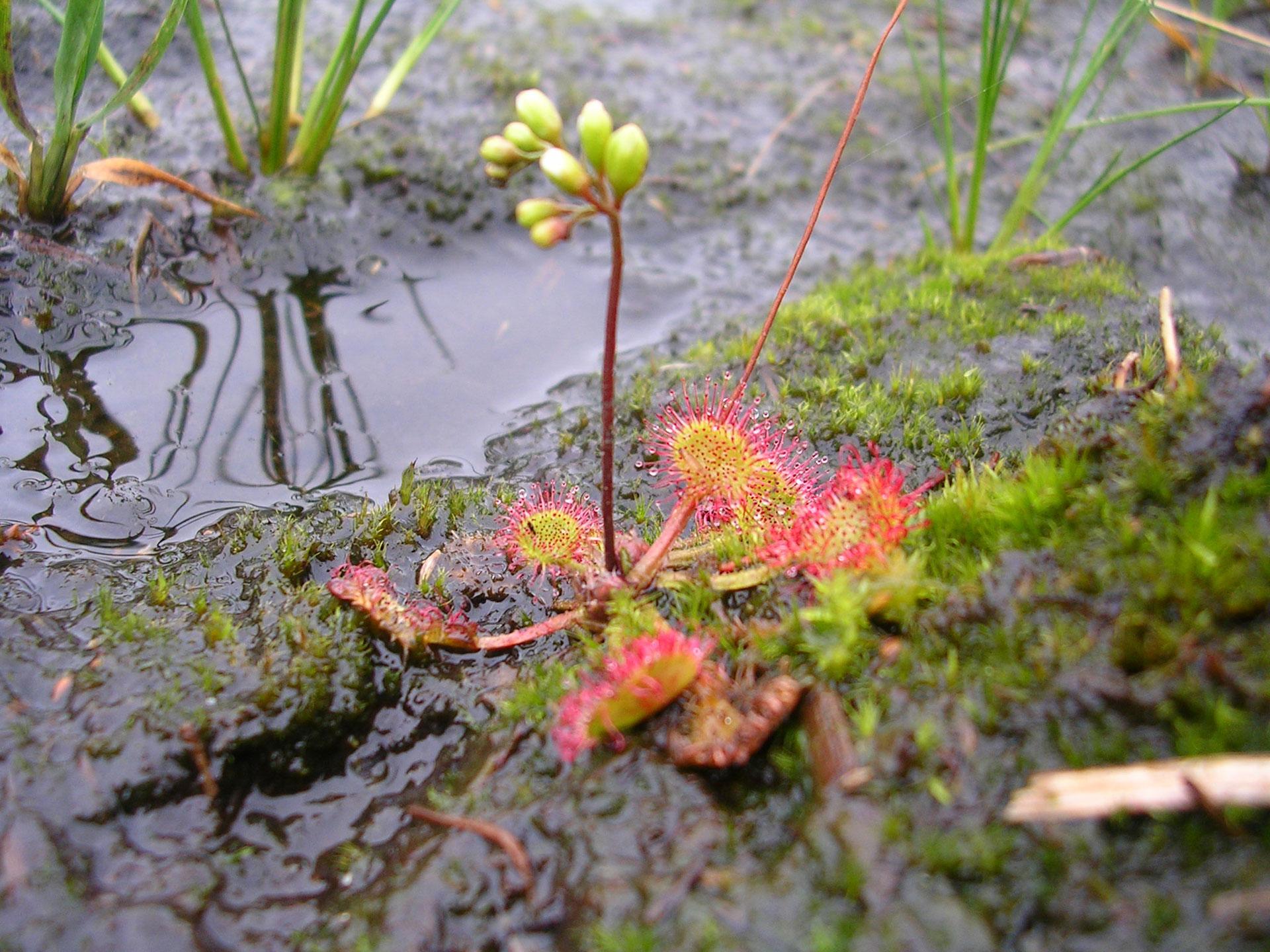
Even where it is present, the Round-leaved Sundew is often overlooked due to its small size and habit of growing low to the ground, nestled among dense mats of Sphagnum moss, sedges and other wetland vegetation. Its reddish leaves can blend with surrounding plant material, making it easy to miss unless one is searching carefully. This inconspicuous nature means that, despite its broad distribution, many casual observers remain unaware of its presence in their local wetlands.
Conservation
The Round-leaved Sundew occupies a unique ecological role in peatland food webs. By capturing insects, it gains nutrients otherwise unavailable in its environment, but it also becomes a food source for other organisms. Ants often steal captured insects before the plant can digest them – in some studies, ants removed up to two-thirds of a sundew’s prey.
 Credit: Nicole Violette Laforge
Sundews themselves may be eaten by moose, especially in early summer when the plant is flowering, and by some invertebrates that specialize in feeding on carnivorous plants.
Peatlands where sundews live are globally significant for biodiversity, water regulation and climate stability. They store immense amounts of carbon – more than all the world’s forests combined – and serve as breeding grounds for many migratory bird species.
Although the Round-leaved Sundew is not currently listed as a species at risk in Canada, it is extremely sensitive to habitat disturbance because it relies on intact, water-saturated, nutrient-poor environments such as sphagnum bogs. These ecosystems take centuries to form, and even minor changes to water levels, nutrient balance or vegetation structure can have lasting impacts.
Wetland drainage for agriculture or development is a major threat, as lowering the water table dries peat soils and transforms open, moss-dominated areas into sites where competing plants quickly take over. Peat extraction for horticulture is equally damaging, removing the sphagnum layer and underlying peat in which sundews grow. Since peat accumulates at less than a millimetre per year, habitats lost to extraction are effectively gone for centuries.
 Credit: Krzysztof Ziarnek, Kenraiz
Road construction near bogs can disrupt water flow, cause flooding or drying and introduce invasive species, while heavy machinery compacts soils and damages vegetation. Industrial activities such as mining and oil extraction can destroy habitat outright, alter hydrology and introduce contaminants that disrupt the delicate chemistry of bog ecosystems.
Climate change compounds these pressures by altering hydrology through warmer temperatures, shifting precipitation and increased evaporation. Drier conditions may shrink bog areas, while wetter conditions may allow shrubs and trees to invade, shading out low-growing plants.
Because the Round-leaved Sundew grows slowly and colonizes disturbed areas poorly, damaged populations may take decades to recover – if they recover at all – making the protection of existing high-quality habitat critical for its survival.
Effective conservation of the Round-leaved Sundew depends on safeguarding intact peatland habitats across the landscape, as these ecosystems support not only sundews but many other rare and specialized species. Large-scale protection is essential because peatlands function as interconnected systems; disturbances in one area can alter water flow and nutrient dynamics far beyond the immediate site.
 Credit: Nicole Violette Laforge
Key strategies include establishing and enforcing protected areas such as national and provincial parks, ecological reserves and conservation easements that encompass extensive bog and fen complexes. Restricting peat mining in ecologically sensitive areas is critical, as extraction irreversibly damages habitat that takes centuries to recover. Maintaining natural hydrology by avoiding drainage, ditching and water diversion ensures the constant water saturation these plants require.
Long-term conservation also depends on monitoring peatland health, which can be achieved through a combination of scientific research and citizen science programs. Such efforts help detect early signs of degradation – including shifts in vegetation, water levels or invasive species – so that management actions can be taken before conditions become unsuitable.
Several provinces, including Newfoundland and Labrador, Quebec and Manitoba, already contain extensive protected peatlands within their park and reserve systems, offering vital refuges for sundew populations. Expanding and connecting these areas, while managing activities in surrounding lands, will help ensure that the Round-leaved Sundew continues to thrive in Canada’s unique wetland landscapes.
Historically, sundews were used in traditional medicine by Indigenous peoples and later by European herbalists. Extracts were applied to treat coughs, respiratory infections and skin conditions. Some cultures also attributed magical properties to the plant’s dew-like droplets, using them in love potions or as charms.
Because the Round-leaved Sundew thrives only in undisturbed, nutrient-poor wetlands, its presence is a strong indicator of high ecological integrity. Healthy sundew populations often signal that water chemistry, hydrology and vegetation structure remain in balance – conditions that also support a rich diversity of other specialized wetland species. Protecting habitat for sundews therefore provides a wider conservation benefit, safeguarding communities of plants and animals that share the same delicate environment. These include rare orchids adapted to acidic bog soils, dragonflies that depend on open-water pockets for breeding, and wetland birds such as sandpipers and rails that nest and forage in these habitats.
Beyond its ecological importance, the Round-leaved Sundew holds value as a compelling subject for environmental education. Its unique carnivorous adaptations – glistening, dew-covered leaves that capture and digest insects – spark curiosity and provide an engaging entry point for teaching about wetland ecology and conservation. Educational programs that feature sundews alongside other carnivorous plants can inspire public interest, especially among children and youth, while illustrating the intricate relationships between species and their habitats. By fostering this awareness, outreach efforts can build broader community support for wetland protection, ensuring these fragile ecosystems continue to function for generations to come.
 Credit: Jasper Shide
What we can do
- Avoid buying peat-based garden products; choose alternatives like coconut coir
- Support organizations working to protect wetlands
- Visit peatlands responsibly, staying on boardwalks to avoid damaging vegetation
- Participate in citizen science projects documenting plant and insect diversity
Resources
Online References:
- U.S. Forest Service Fire Effects Information System. Drosera rotundifolia.
- Canada Species at Risk Registry. Drosera filiformis (Thread-leaved Sundew).
- National Wildlife Federation. Sundews.
- Britannica. Sundew.
- CBC Archives. Peatlands and Climate Change.
Print References:
- Adamec, L. Mineral nutrition of carnivorous plants: A review. Botanical Review, 63(3): 273–299. (springer.com)
- Adlassnig, W.; Peroutka, M.; Lendl, T. Traps of carnivorous pitcher plants as a habitat: Composition of the fluid, biodiversity and mutualistic activities. Annals of Botany, 107(2): 181–194. (academic.oup.com)
- Crowder, A.; Pearson, M. Habitat and life history of the round-leaved sundew (Drosera rotundifolia). Canadian Field-Naturalist, 94(3): 333–336. (cdnsciencepub.com)
- Gibson, T. Carnivorous plants of peatlands: Ecology and adaptations. Peatland Ecology Research Group, Université Laval.
- Gore, A. J. P. Ecosystems of the World: Mires — Swamp, Bog, Fen, and Moor. Elsevier.
- International Carnivorous Plant Society. Drosera rotundifolia species profile. (carnivorousplants.org)