



 Banana Slug (15 s)
 Description
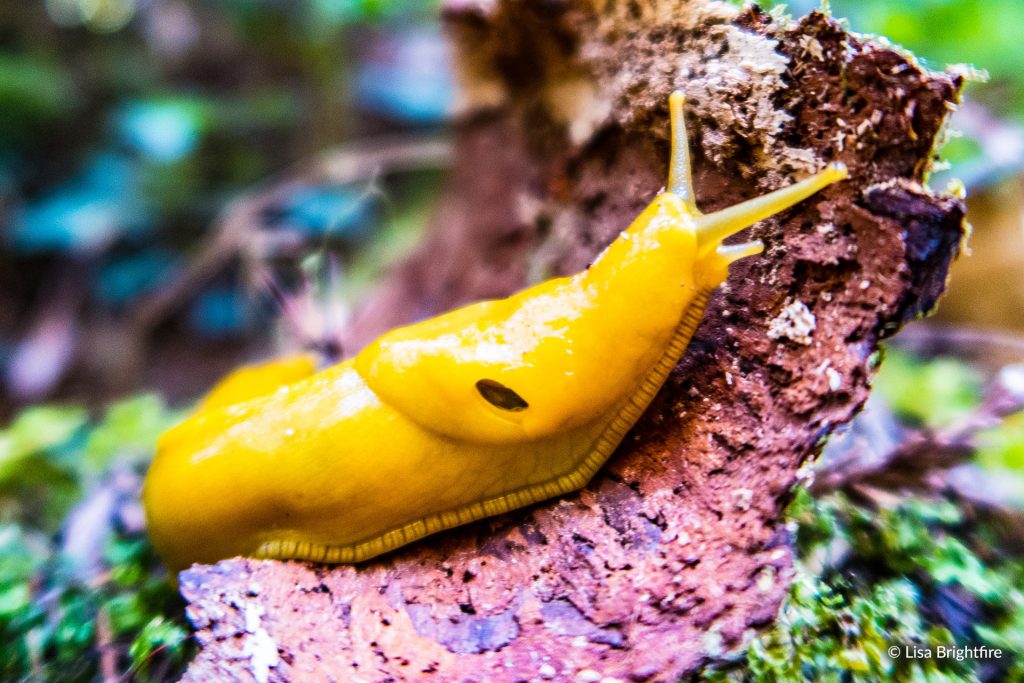 Credit: Lisa BrightfireThe Banana Slug is one of the largest land slugs in North America, commonly measuring 15 to 25 centimetres in length when fully extended, although some individuals may grow even larger under favourable conditions. Despite their soft appearance, banana slugs are highly muscular animals, using wave-like contractions along their foot to move slowly but efficiently across the forest floor. This movement is powered by strong longitudinal muscles and supported by a continuous layer of mucus that reduces friction and allows them to travel over rough surfaces such as bark, leaf litter and soil.
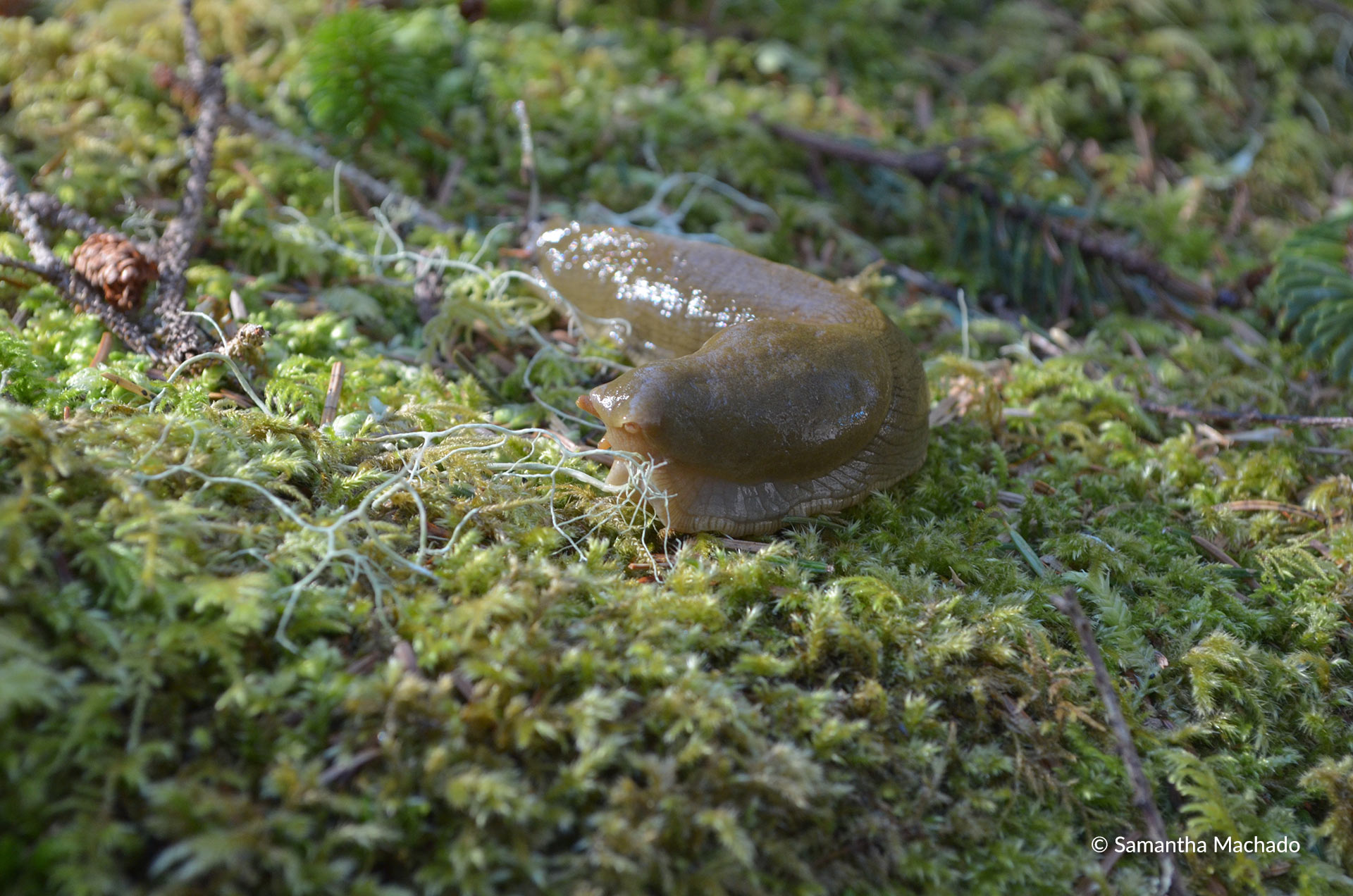
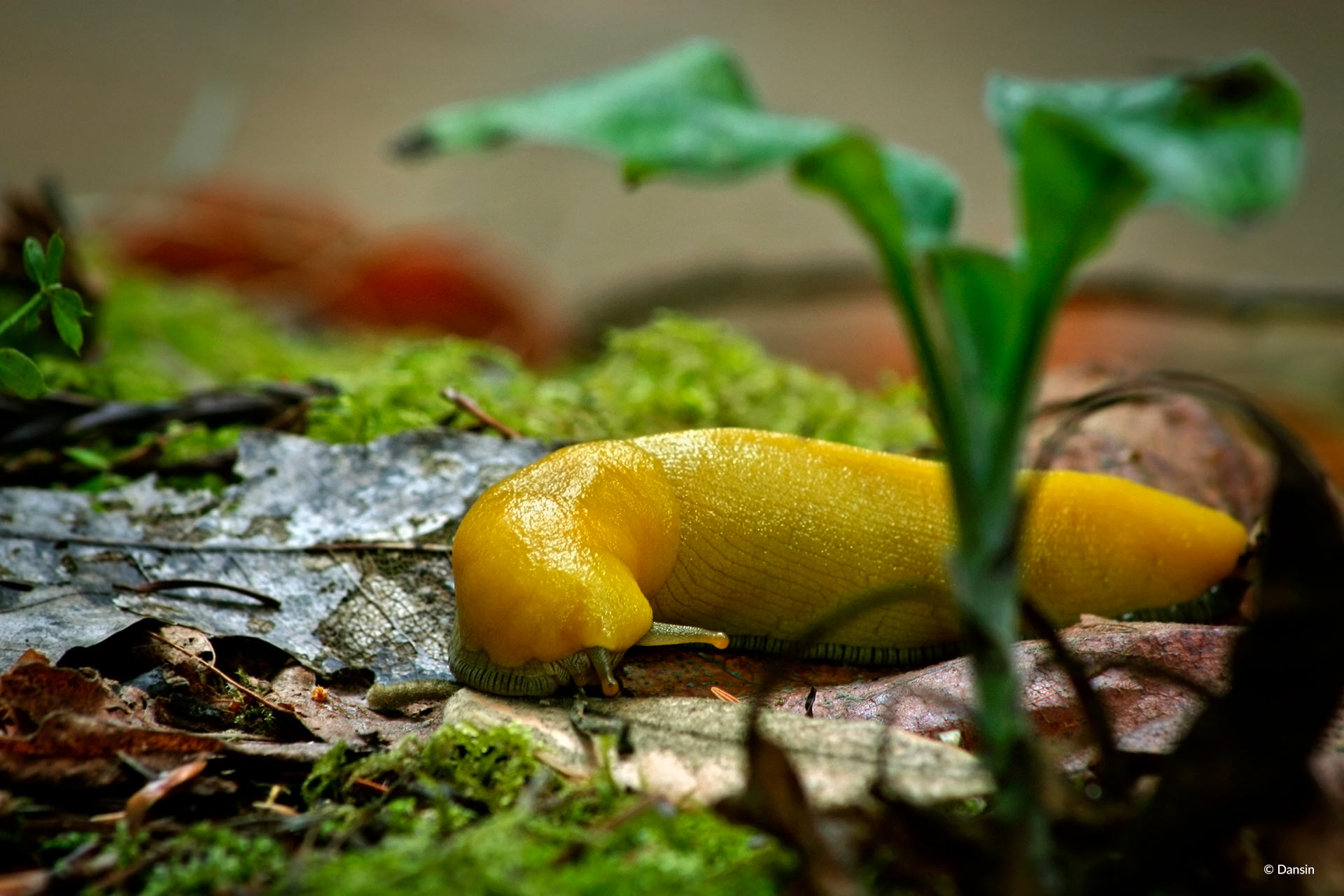
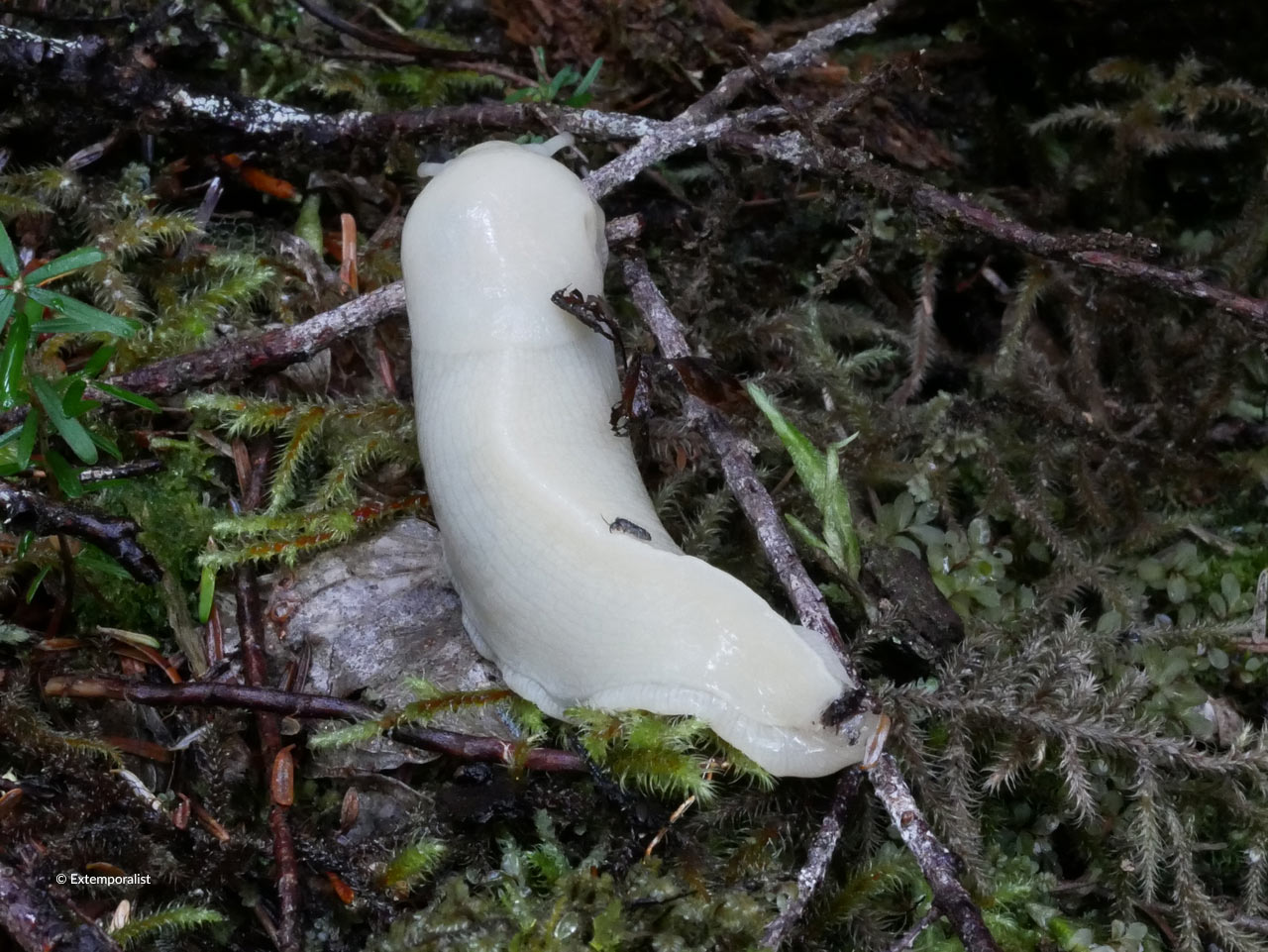
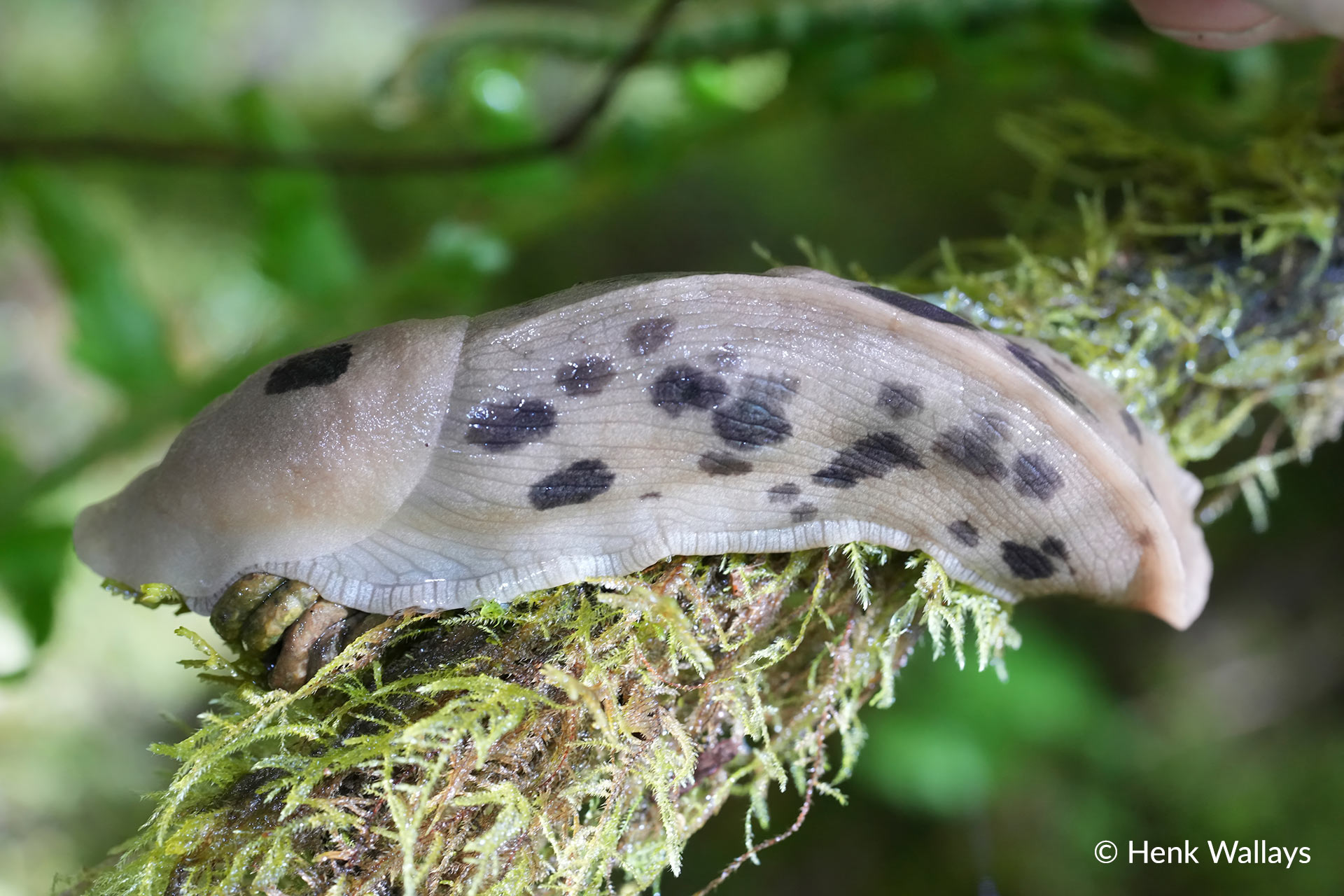
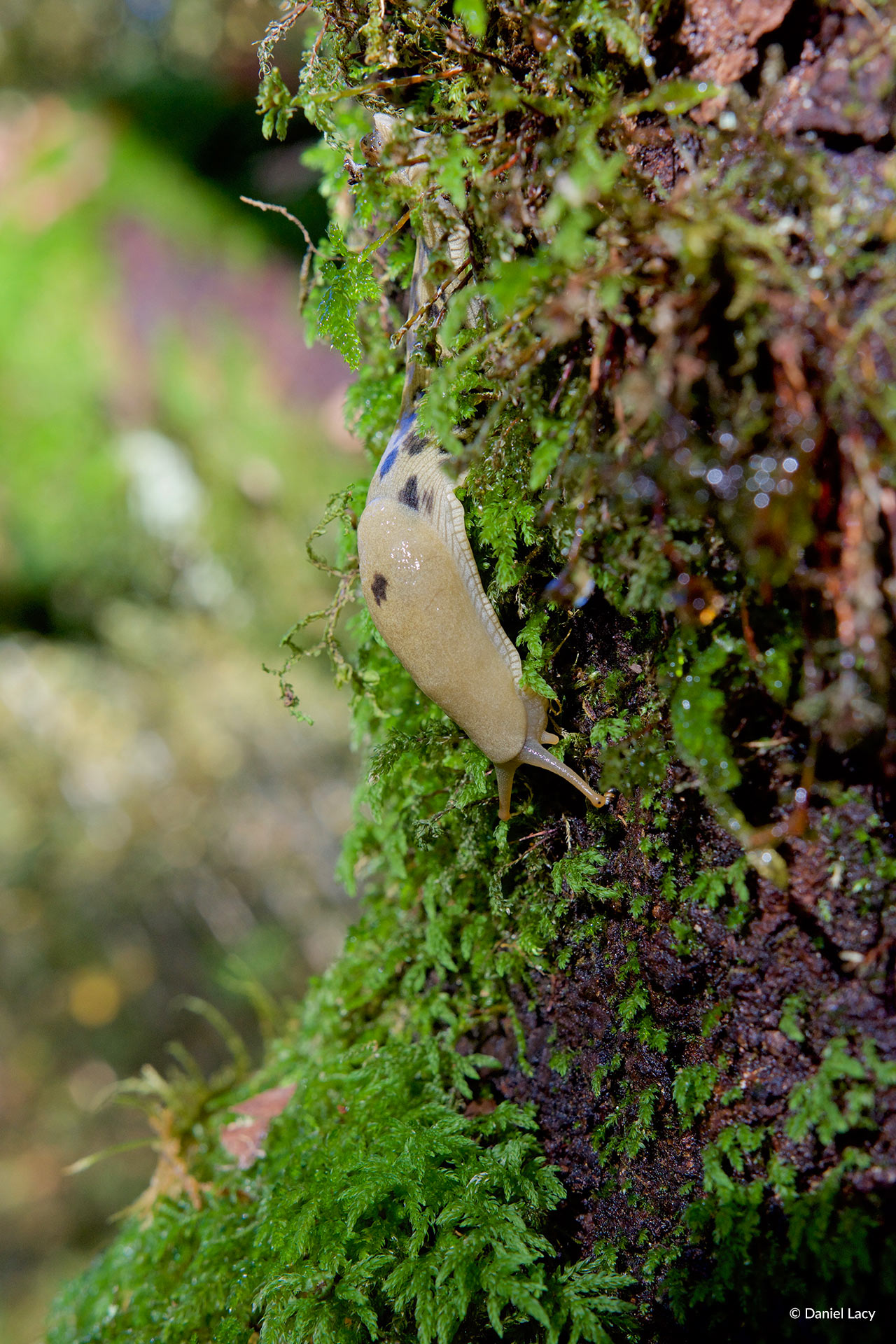
Their colour varies widely, ranging from bright yellow to greenish-yellow, brown, spotted, or nearly black. Bright yellow individuals are most commonly associated with moist, old-growth forests, while darker forms are more frequently found in younger, drier habitats. This variation in colour may provide some degree of camouflage, helping slugs blend into their surroundings and avoid predators. Colouration can also shift slightly depending on moisture levels, age, diet and environmental conditions, making individuals within a population appear quite different from one another.
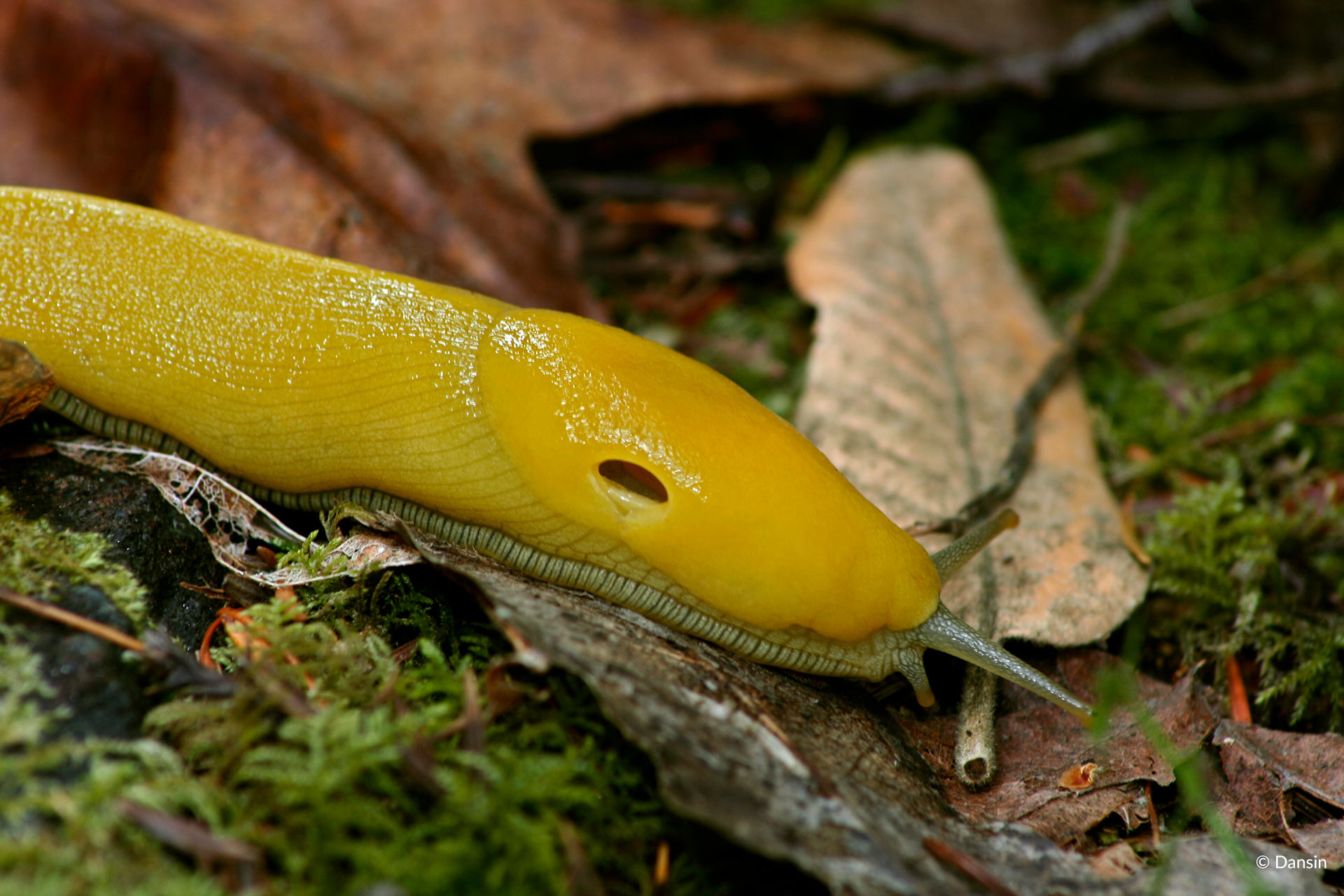
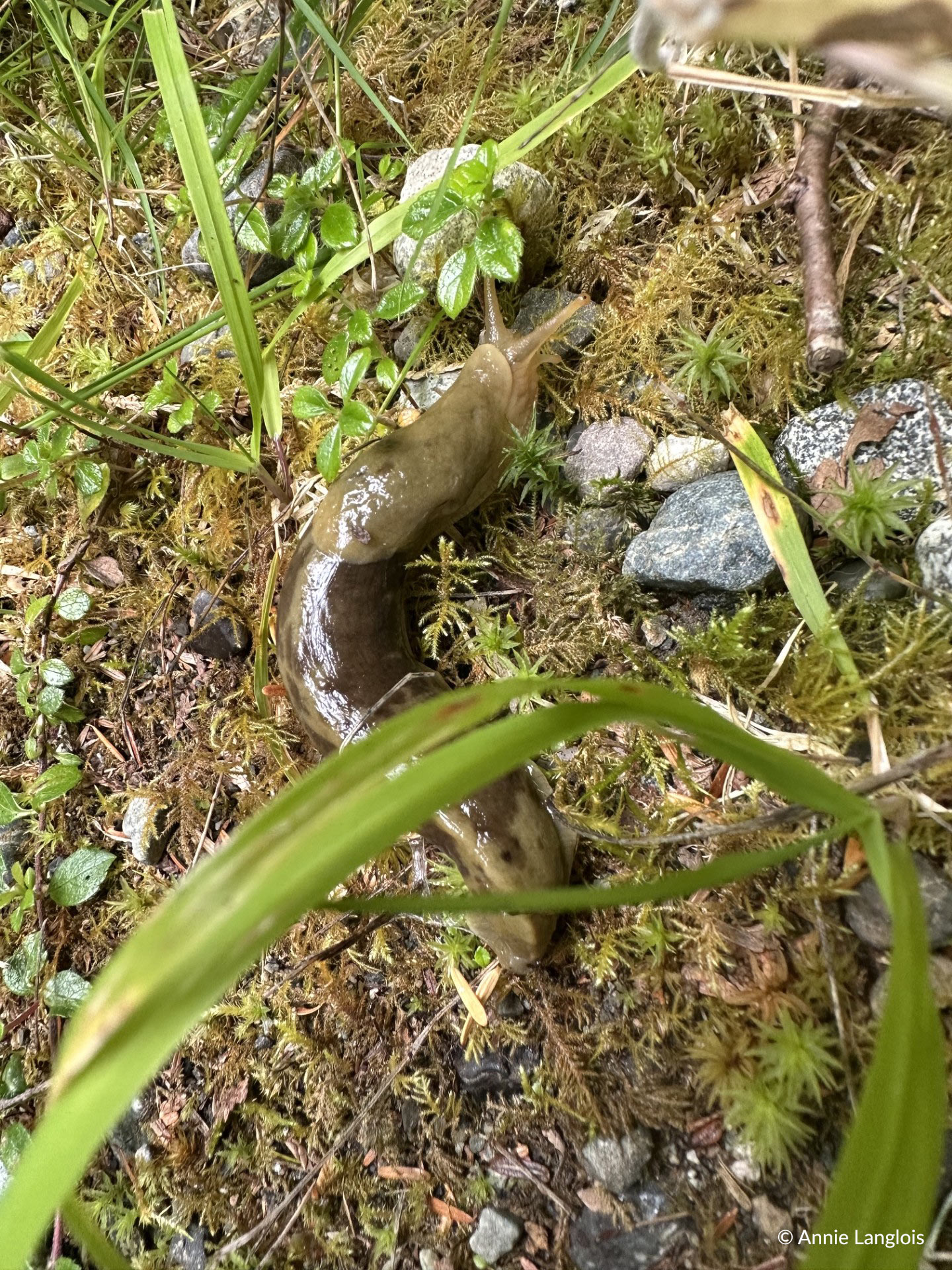
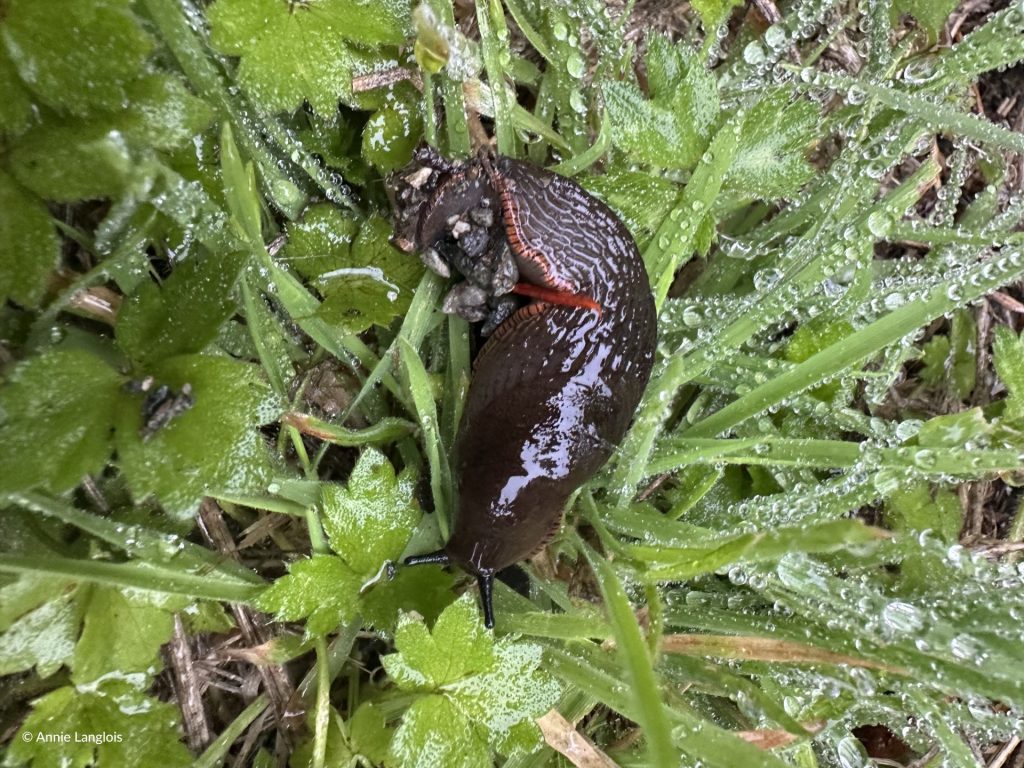 Credit: Annie LangloisBanana slugs lack an external shell, unlike many other members of the mollusc family. Instead, they rely on a thick, moist body covering and behavioural adaptations for protection. A prominent structure called the mantle, located just behind the head, covers and protects the internal organs. Beneath the mantle lies a small, internalized shell remnant, a vestige of their evolutionary history. The mantle also contains the pneumostome, or breathing pore, which allows the slug to exchange gases with the surrounding air.
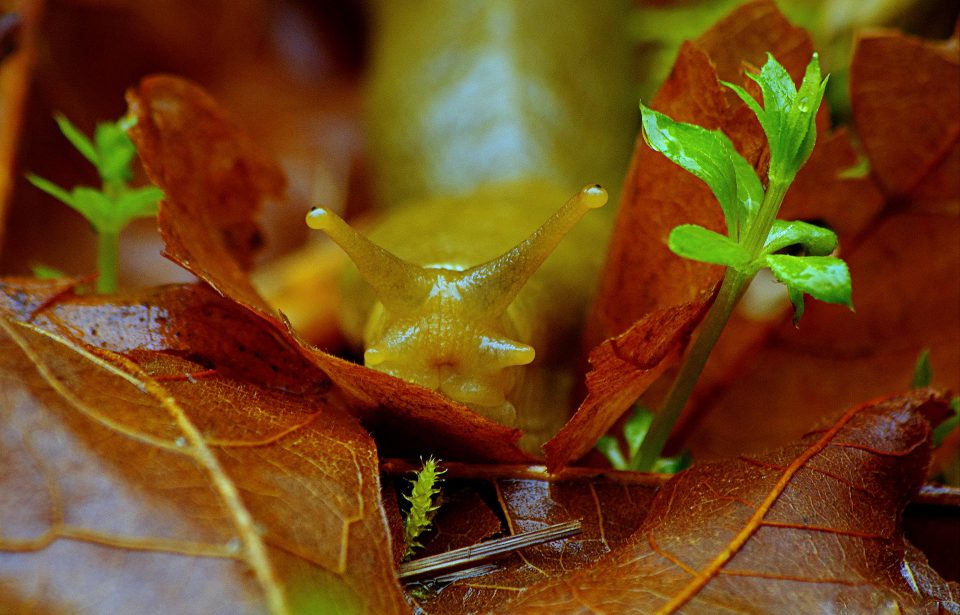
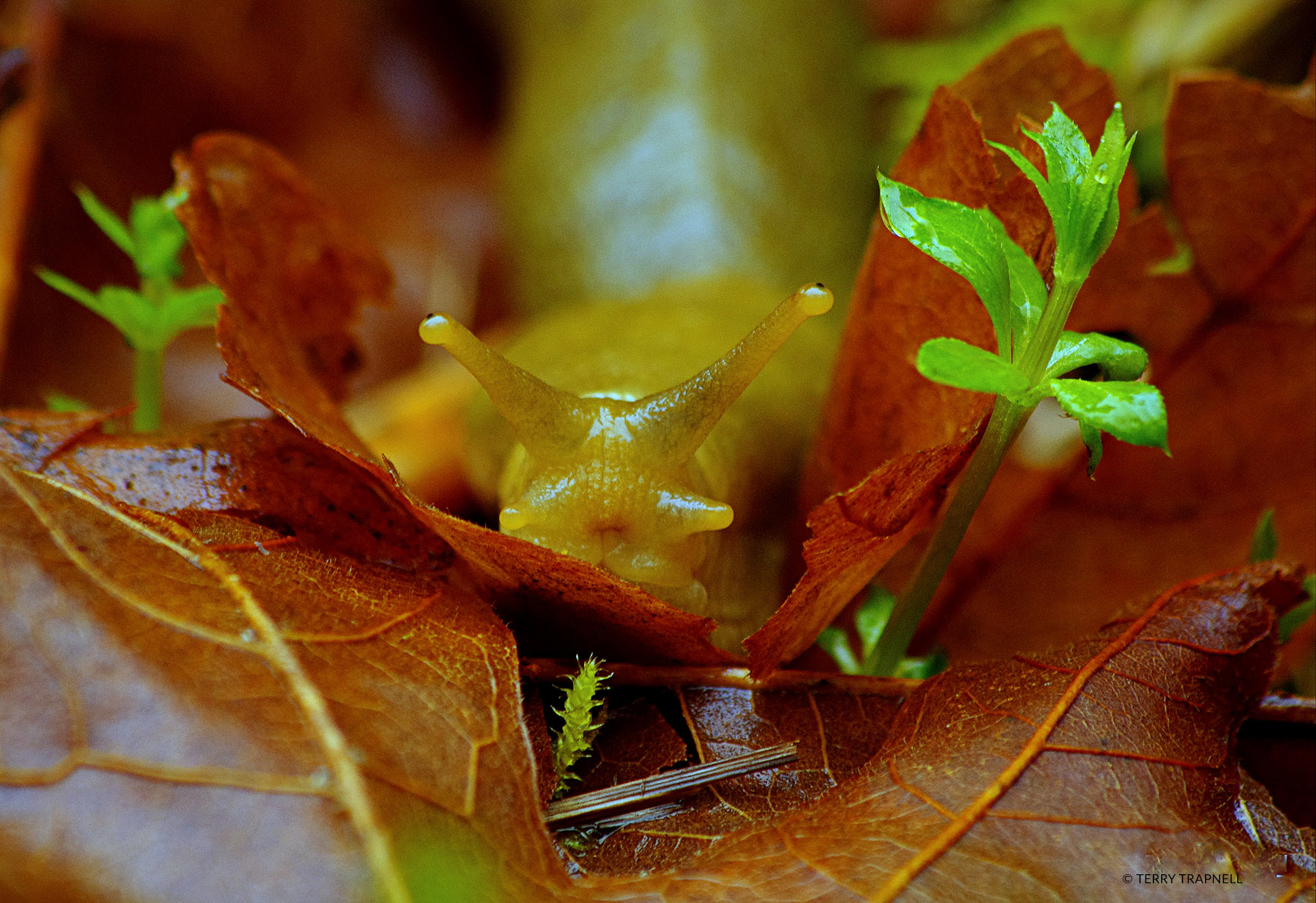
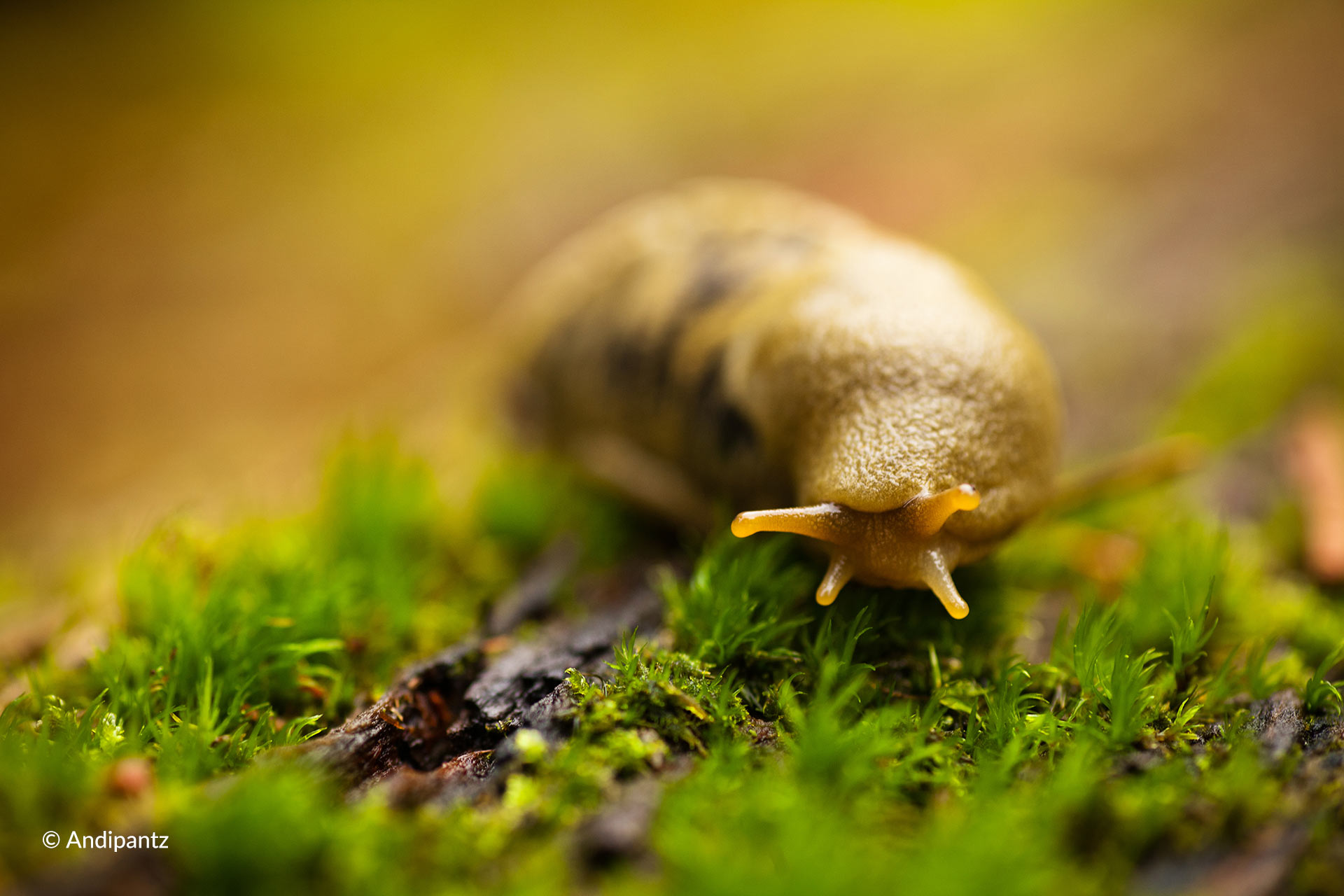
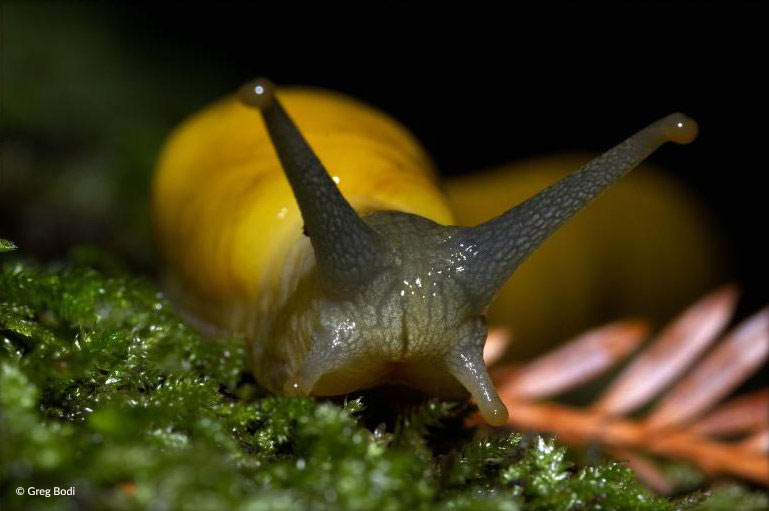
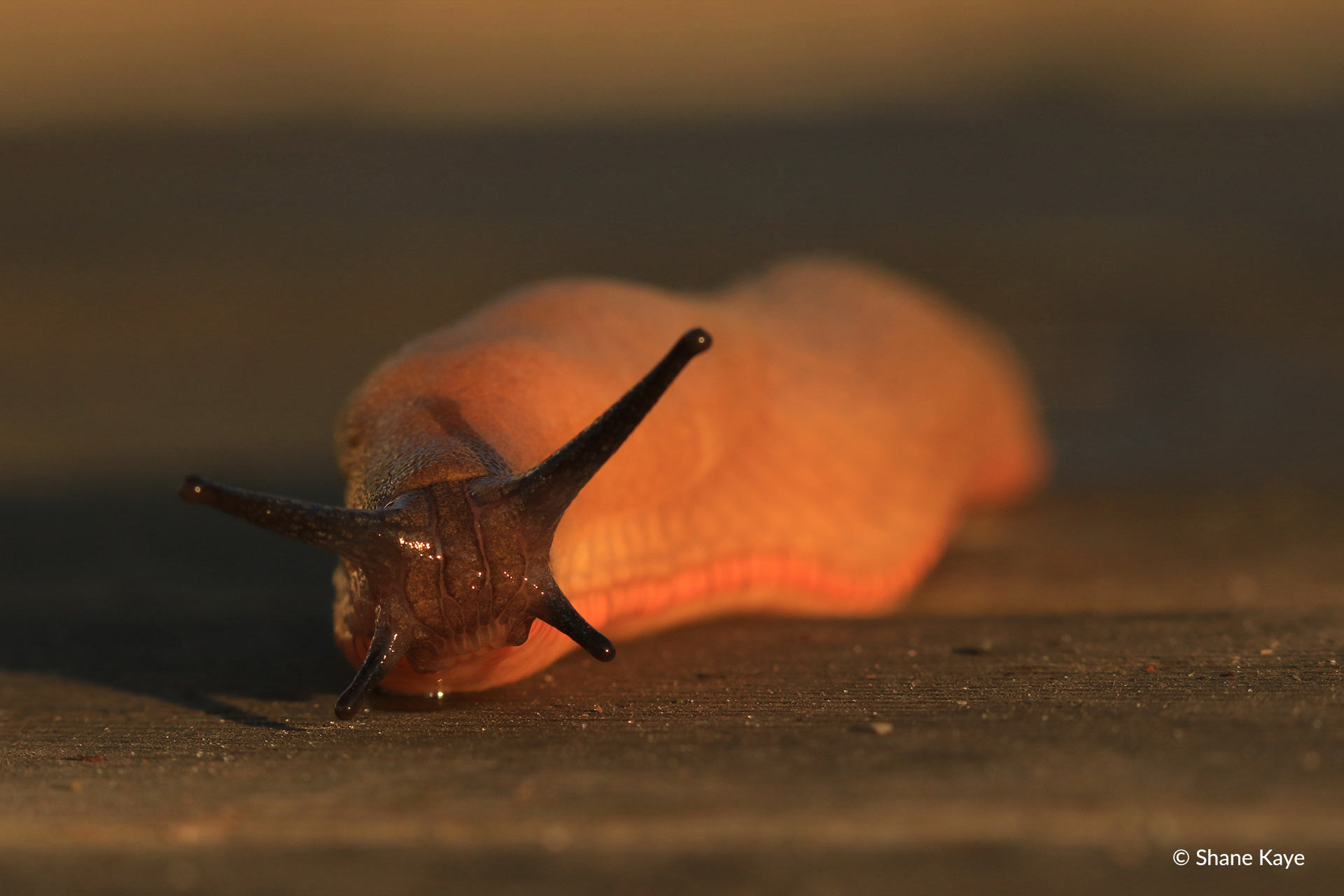
The head of the banana slug features two pairs of retractable tentacles. The upper pair bears light-sensitive eyes that can detect changes in light intensity and movement but do not form detailed images. The lower pair functions primarily in chemoreception, allowing the slug to sense its environment, locate food sources, and follow chemical trails left by other slugs. These sensory adaptations are especially important in the dark, humid environments where banana slugs are most active.
 Credit: Greg BodiThe entire body is coated in a layer of thick, sticky mucus that serves several important functions. This mucus reduces friction during movement, helps prevent dehydration by retaining moisture, and provides a degree of protection against predators. In some cases, the mucus can become especially sticky or slightly numbing when disturbed, which may discourage predators such as small mammals or birds. The mucus also allows the slug to adhere to vertical surfaces and navigate complex terrain within the forest understory.
Overall, the banana slug’s body is well adapted to life in moist, shaded environments, combining flexibility, sensory awareness, and protective adaptations that allow it to survive in the competitive and often harsh conditions of the forest floor.
Habitat and Habits
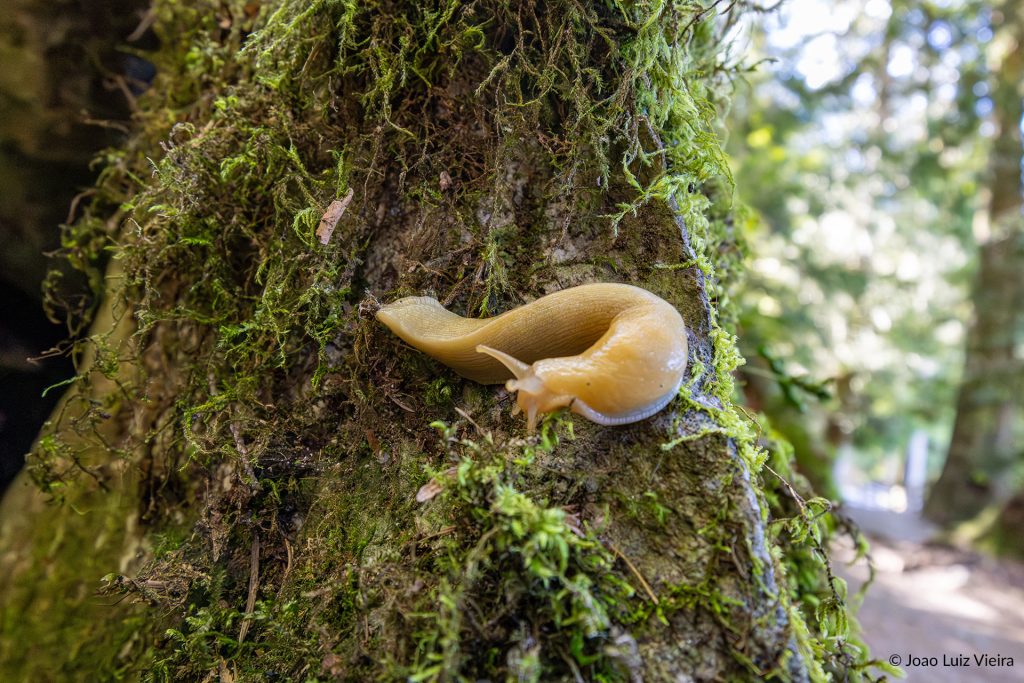 Credit: Joao Luiz VieiraBanana Slugs inhabit cool, moist forest environments, particularly coastal temperate rainforests dominated by Western Red-cedar, Douglas-fir, hemlock, and Sitka Spruce. They are most abundant in old-growth and mature forests where dense canopy cover helps maintain high humidity levels throughout the year. These conditions are essential, as banana slugs are highly sensitive to drying and rely on consistently moist environments to survive.
They spend much of their time beneath logs, leaf litter, moss, and decaying wood, emerging primarily during wet weather or at night when humidity is highest. These sheltered microhabitats protect them from predators and reduce water loss. During dry periods, banana slugs retreat deeper into soil, crevices or rotting logs, entering a less active state until conditions improve.
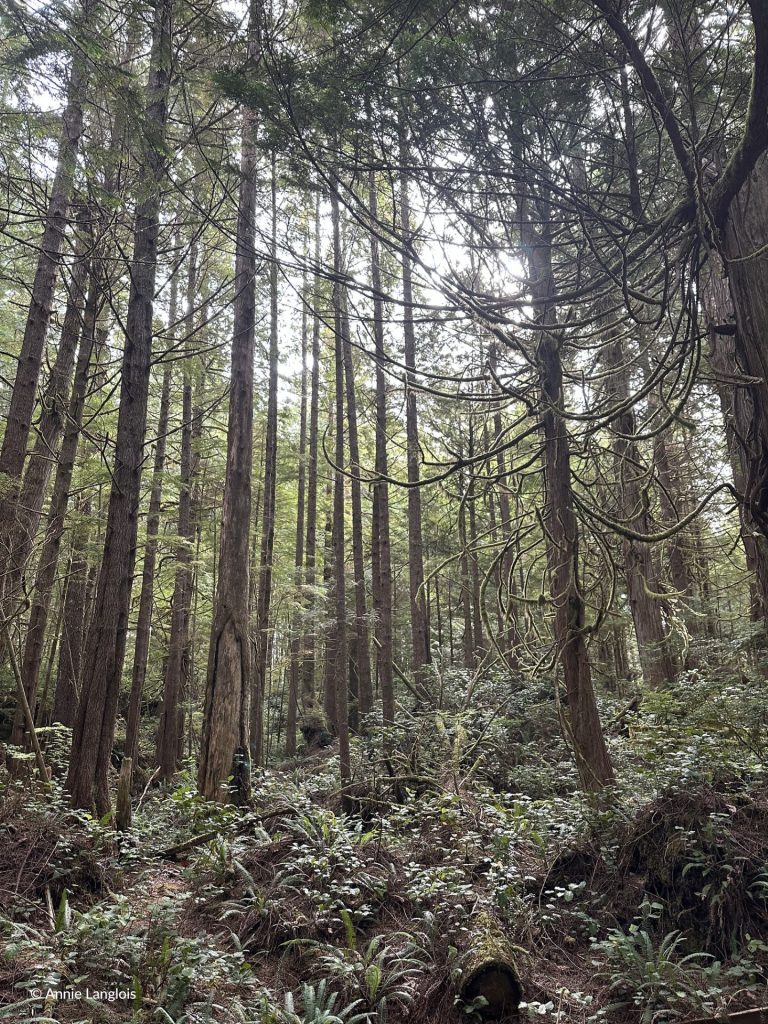 Credit: Annie LangloisBanana slugs are most active in spring and fall, when temperatures are moderate and moisture is plentiful. In winter, they may remain active during mild, wet conditions but reduce movement during freezing temperatures. In some cases, they survive short periods of cold by producing protective mucus and seeking insulated microhabitats.
Although slow by human standards, banana slugs can travel several metres in search of food, mates or suitable shelter, demonstrating surprising persistence within their forest environment.
Range
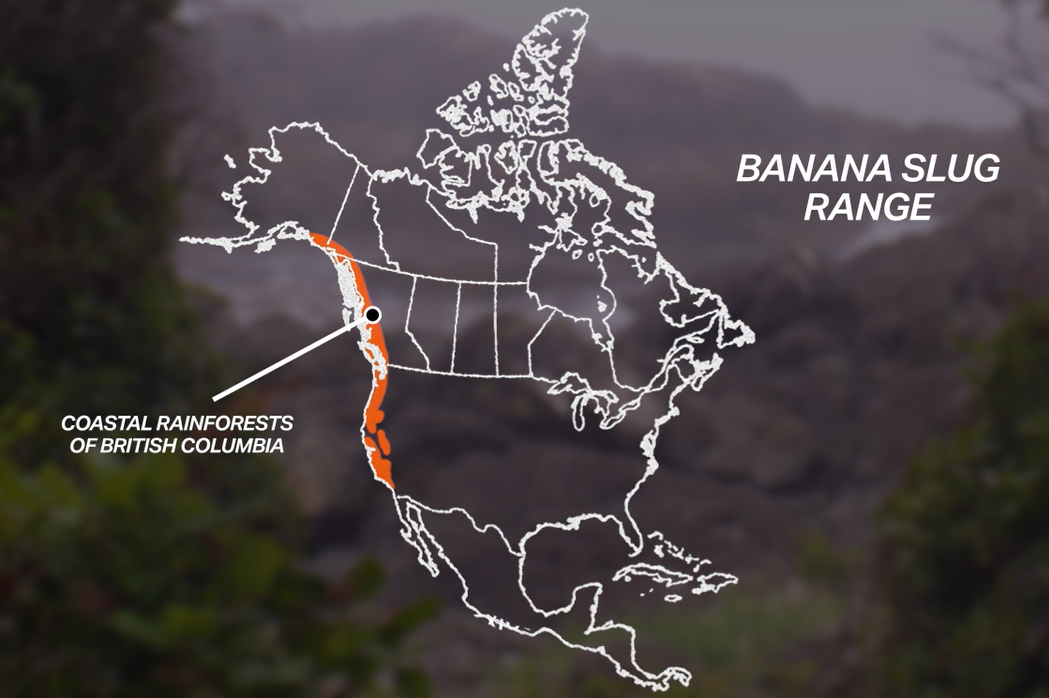
In Canada, banana slugs are found primarily in coastal British Columbia, from the southern mainland and Vancouver Island northward into the coastal rainforest zone. Their range extends south through Washington, Oregon, and into northern California, following the narrow band of moist, temperate forest along the Pacific coast.
Within this range, banana slugs are most common in lowland forests with high annual rainfall, dense canopy cover, and consistently moist conditions. They are far less abundant in dry interior regions or areas where forests have been heavily fragmented or disturbed. Elevation, temperature, and moisture levels all influence their local distribution.
Because banana slugs have limited ability to disperse over long distances, populations are closely tied to continuous forest habitat. Barriers such as logging areas, roads and urban development can isolate populations and restrict movement, reducing genetic exchange between groups.
Their distribution closely reflects the presence of intact rainforest ecosystems. As a result, banana slugs are often considered useful indicators of forest health, particularly in relation to moisture levels, habitat continuity, and the condition of the forest floor.
Feeding
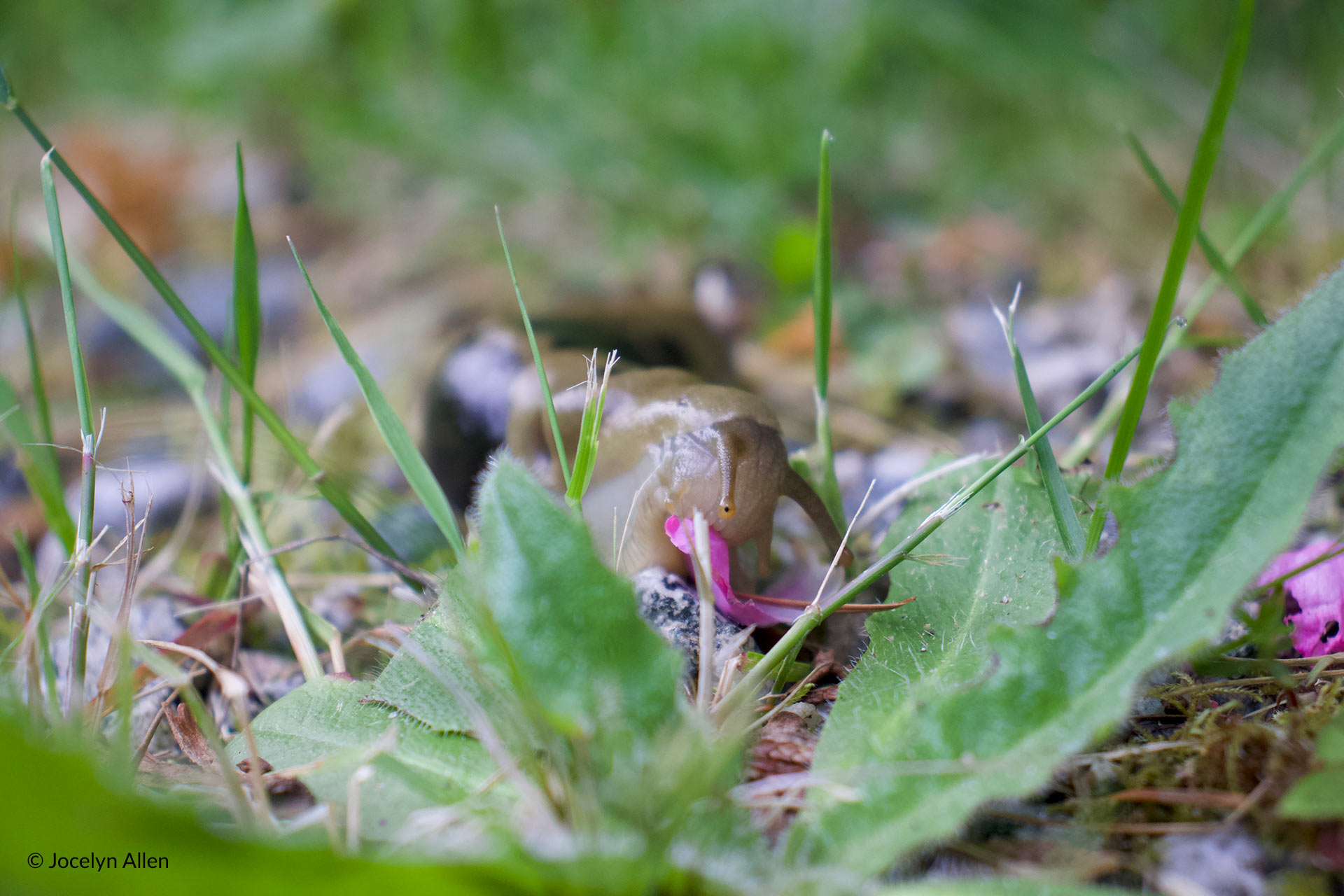
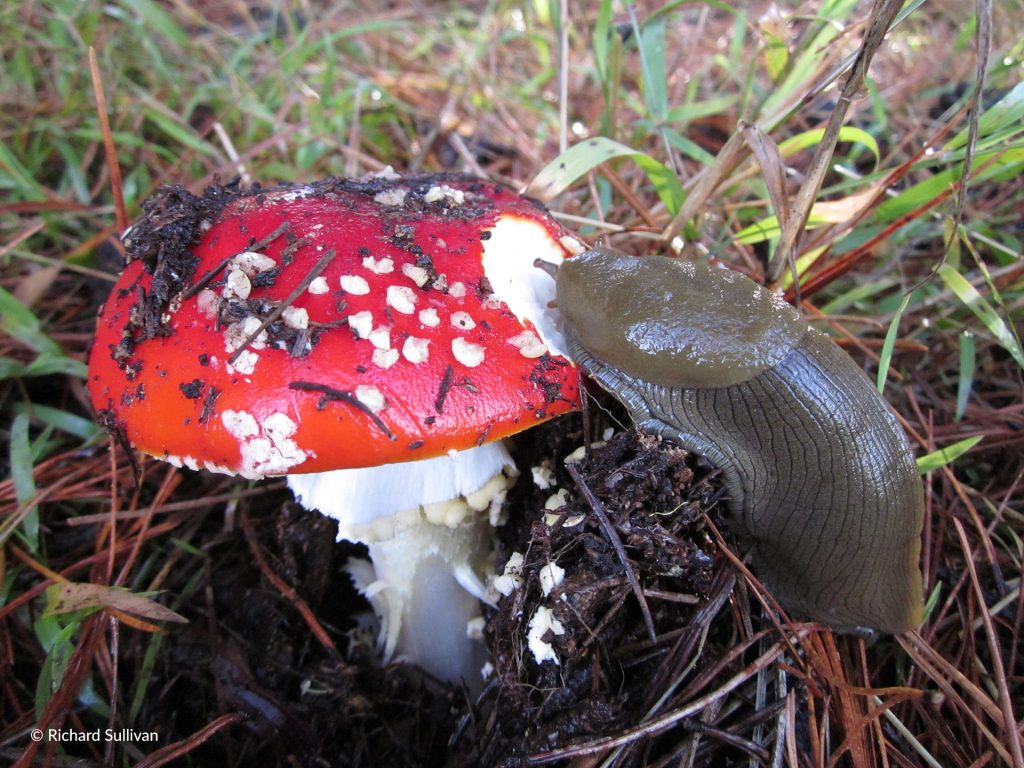 Credit: Richard SullivanBanana slugs are detritivores and herbivores, feeding on a wide variety of organic material found on the forest floor. Their diet includes decaying leaves, fungi, mosses, algae, animal droppings, and occasionally living plant tissue. By consuming this material, they play an important role in breaking down organic matter and recycling nutrients within forest ecosystems.
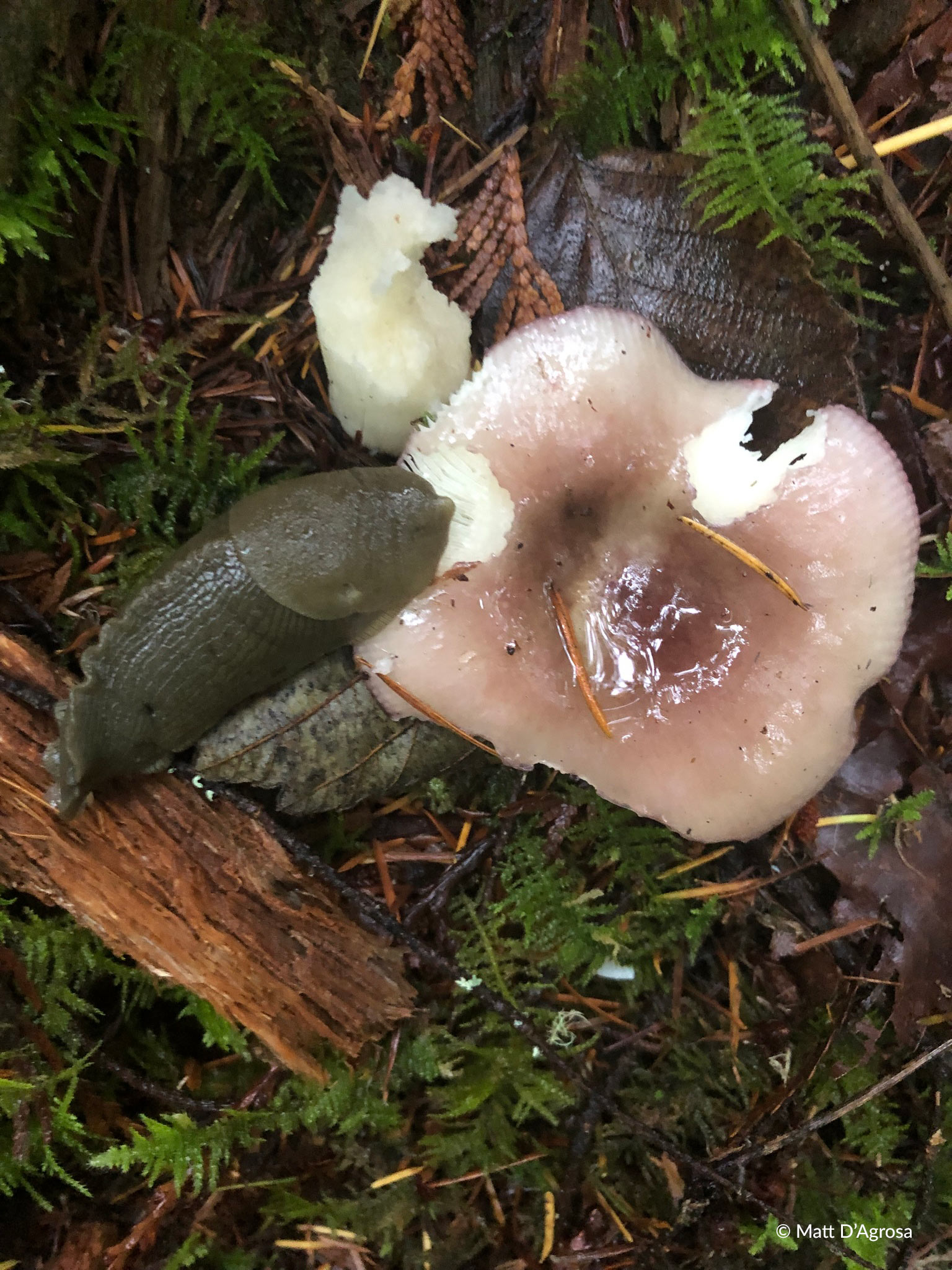
Fungi form an especially important part of their diet. Banana slugs consume mushrooms, fungal threads and spores, helping regulate fungal growth and maintain ecological balance. Some spores pass through the slug’s digestive system intact and are dispersed in its droppings, aiding in the spread of fungi and supporting forest regeneration.
They feed using a specialized structure called a radula, a ribbon-like organ covered in microscopic teeth that scrape and shred food from surfaces. Feeding typically occurs at night or during wet weather, when moisture levels are highest and the risk of dehydration is reduced.
Breeding
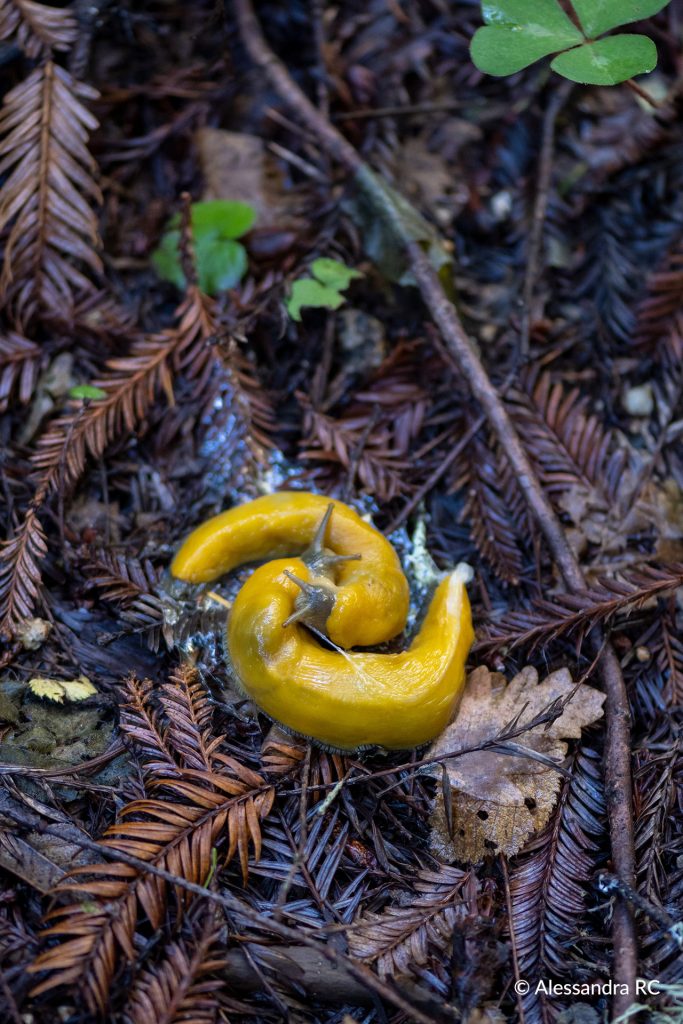 Credit: Alessandra RCBanana slugs are hermaphrodites, meaning each individual possesses both male and female reproductive organs. This allows any two mature slugs to mate, increasing reproductive opportunities in environments where individuals may be widely spaced or difficult to find.
Mating typically occurs in spring or fall, when moisture levels are high and conditions are favourable for activity. Courtship can last several hours and involves the exchange of chemical signals through mucus trails. Slugs align their bodies and exchange sperm, after which one or both individuals may go on to produce eggs.
After mating, eggs are laid in clusters of 20 to 75 in moist, sheltered locations such as rotting logs, soil cavities, or beneath leaf litter. These sites help protect the eggs from drying out and from predators. The eggs are translucent, jelly-like, and usually hatch after several weeks, depending on temperature and moisture conditions.
Young slugs resemble miniature adults and begin feeding soon after hatching. Growth is relatively slow, and individuals may take two to three years to reach maturity. Banana slugs can live for up to seven years in the wild, although survival depends on environmental conditions, predation and habitat quality.
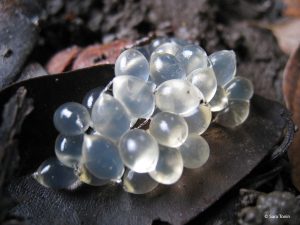 Credit: Sara Tonin
Conservation
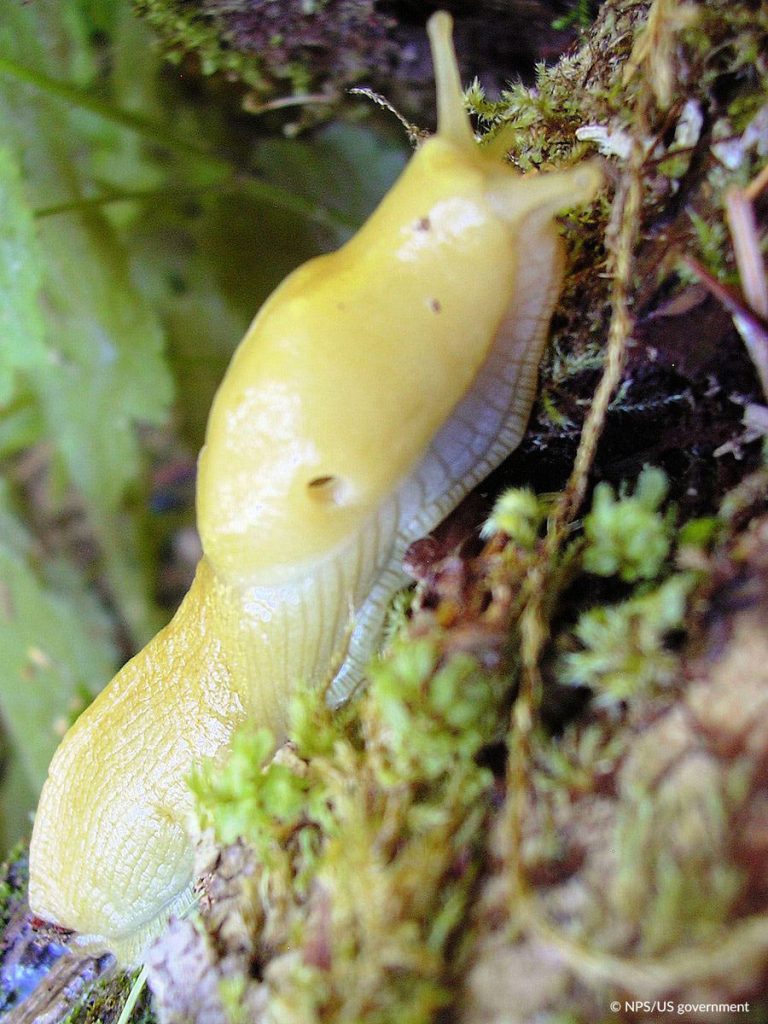 Credit: NPS/US GovernmentBanana slugs are not currently considered threatened in Canada, but their populations depend strongly on the health of coastal rainforest ecosystems. Because they require consistently moist conditions and stable forest cover, habitat loss and fragmentation represent the greatest long-term threats to their survival.
Clear-cut logging, road building, and urban expansion can significantly alter forest structure by reducing canopy cover, lowering humidity, and removing important shelter such as decaying wood and leaf litter. These changes create drier conditions that are unsuitable for banana slugs. Climate change may further increase the frequency and severity of drought, placing additional stress on populations and potentially reducing suitable habitat over time.
Because banana slugs move slowly and are highly sensitive to dry conditions, they are unable to easily cross open or disturbed areas. As a result, fragmented forests can isolate populations, limiting genetic exchange and making them more vulnerable to local declines.
Conservation efforts focus on protecting old-growth and mature forests, maintaining habitat connectivity, and promoting sustainable forestry practices. Retaining canopy cover, coarse woody debris and moist microhabitats helps support healthy slug populations while also benefiting a wide range of other forest species.
Cultural and Historical Significance
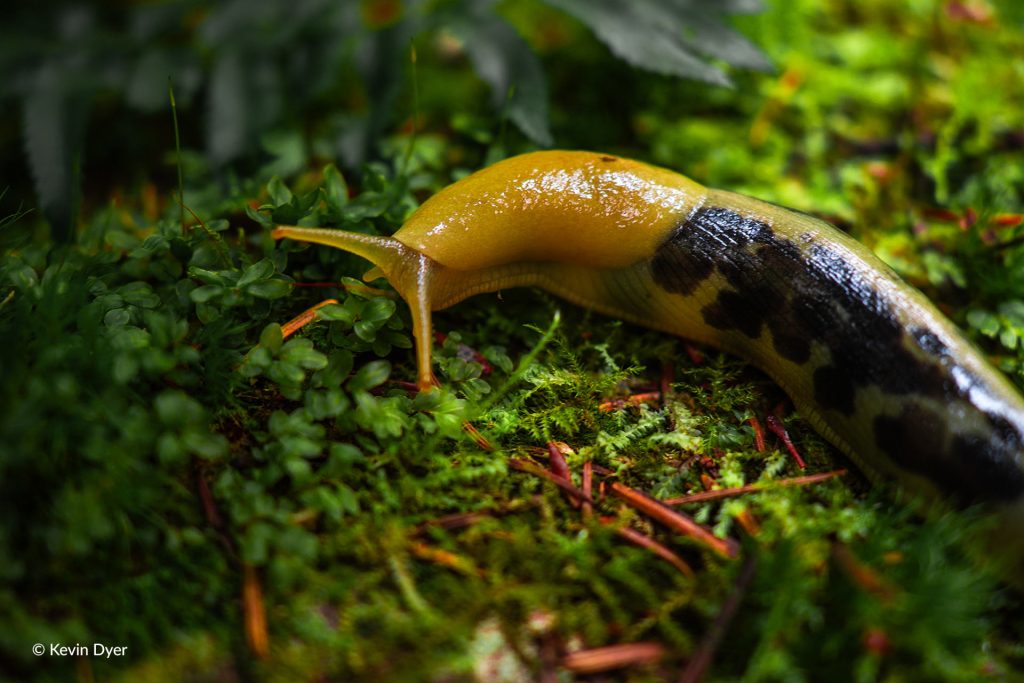 Credit: Kevin DyerFor Indigenous Peoples of the Pacific Northwest Coast, banana slugs have long been part of traditional ecological knowledge. They are recognized as indicators of healthy, living forests and are included in oral teachings that emphasize patience, humility and respect for even the smallest creatures within an ecosystem.
In some communities, banana slugs were observed as seasonal indicators, helping signal changes in rainfall, moisture levels and forest conditions. Their presence and activity provided insight into environmental shifts, particularly in the damp coastal forests where they are most abundant. Their important role in decomposition and nutrient cycling was understood long before it was described in modern ecological science.
In modern times, banana slugs have become recognizable symbols of coastal rainforest ecosystems. They are often featured in environmental education programs, parks, and interpretive materials, helping people better understand the complexity of forest ecosystems. As a visible and memorable species, they represent the often overlooked but essential processes that sustain healthy forests.
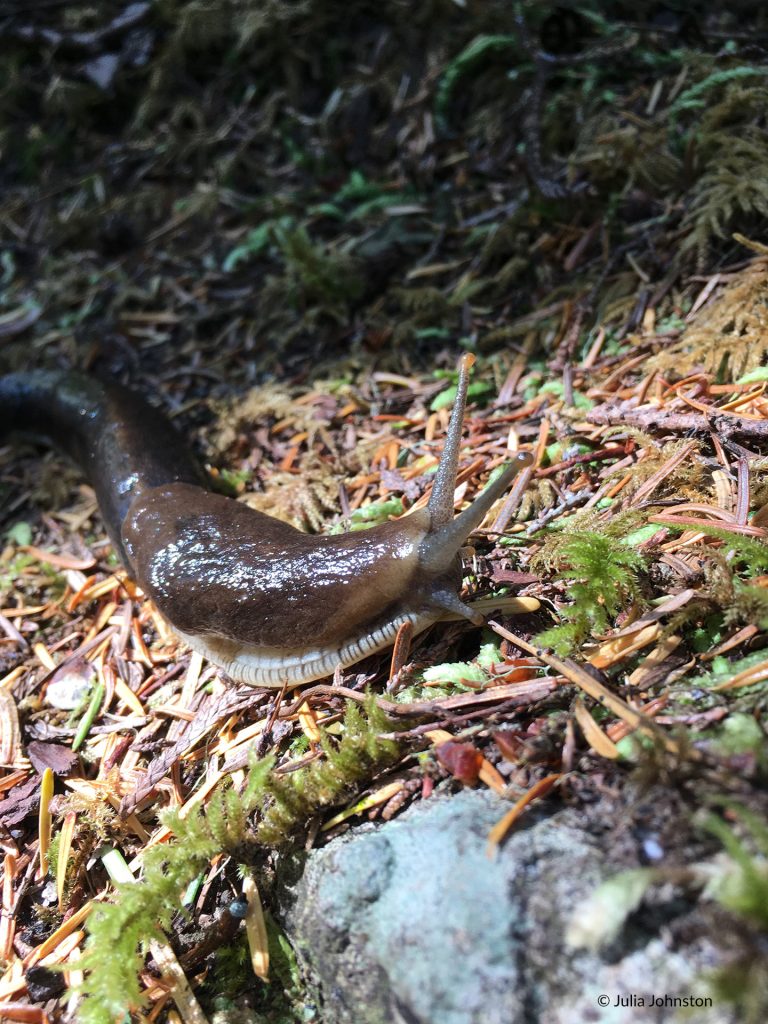 Credit: Julia JohnstonBanana slugs are among the most familiar invertebrates to people living in coastal British Columbia. They are commonly encountered on forest trails, in parks, and near campsites, especially during or after rainfall when moisture levels are high. Their presence often adds to the experience of exploring temperate rainforest environments.
Their bright colour and slow, deliberate movement make them popular subjects for photography, nature interpretation, and environmental education programs. They are frequently used to introduce children and the public to invertebrate biology, decomposition, and the important roles that small organisms play in maintaining healthy ecosystems.
Although banana slugs may occasionally be viewed as minor garden pests, particularly when feeding on seedlings, their ecological benefits far outweigh these impacts. By breaking down organic matter and recycling nutrients, they support soil health and plant growth. Handling should generally be avoided, as substances such as salt, sunscreen, or dry hands can harm their sensitive skin.
Through citizen science initiatives, interpretive programs, and public outreach, banana slugs help foster greater appreciation for invertebrates and the importance of conserving forest ecosystems. Their visibility and accessibility make them valuable ambassadors for environmental awareness.
What we can do
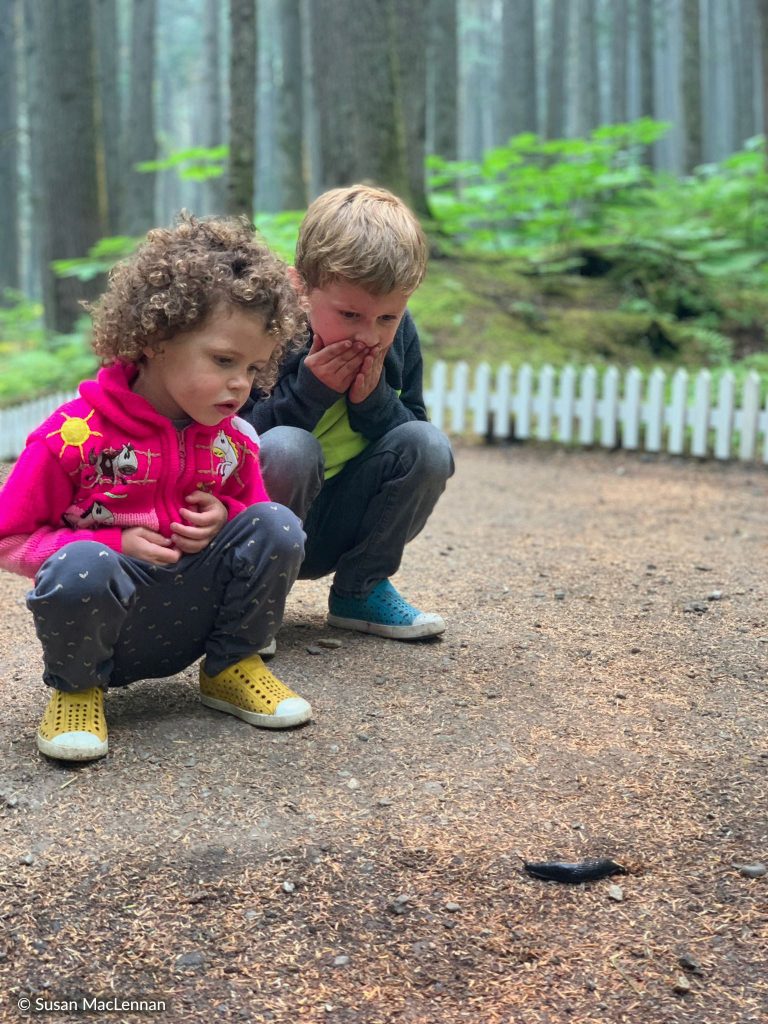 Credit: Susan MacLennanYou can help protect banana slugs and their habitat by:
- Staying on trails to avoid trampling forest floor habitat
- Leaving logs and leaf litter in place where safe
- Avoiding handling slugs, especially with dry or salty hands
- Supporting forest conservation initiatives
- Reducing pollution and litter in natural areas
- Learning and sharing knowledge about rainforest ecosystems
Protecting moist forest environments benefits banana slugs and countless other species.
Resources
 Credit: Shane Kaye
- COSEWIC (Committee on the Status of Endangered Wildlife in Canada). (2016). COSEWIC assessment and status report on terrestrial gastropods in Canada. Government of Canada.
- Environment and Climate Change Canada. (2023). Terrestrial Molluscs of Canada – Species Profiles. Government of Canada.
- Forsyth, R.G. (2004). Land Snails of British Columbia. Royal BC Museum Handbook.
- Burke, T.E. (2013). Land Snails and Slugs of the Pacific Northwest. Oregon State University Press.
- Pojar, J., & MacKinnon, A. (Eds.). (2013). Plants of the Pacific Northwest Coast. Lone Pine Publishing.
- Willson, M.F., & Trappe, J.M. (2006). The role of slugs in dispersal of fungal spores in temperate forests. Mycologia, 98(6), 970–974.
- Jennings, T.J., Barkdull, M., & Holland, B.S. (2018). Phylogeny and diversification of banana slugs (Ariolimax spp.). Molecular Phylogenetics and Evolution, 126, 140–150.
- Richter, K.O. (1980). Movement, behavior, and homing in the banana slug (Ariolimax columbianus). Veliger, 23(1), 1–9.
- Rollo, C.D. (1983). Consequences of population density for banana slugs: growth, reproduction, and survival. Canadian Journal of Zoology, 61(3), 679–690.
- USDA Forest Service. (2015). Banana Slug (Ariolimax columbianus) Ecology and Habitat.
British Columbia Ministry of Environment. (2021). Terrestrial Gastropods and Forest Ecosystems in British Columbia.
Written by Jody North. Edited by Annie Langlois.